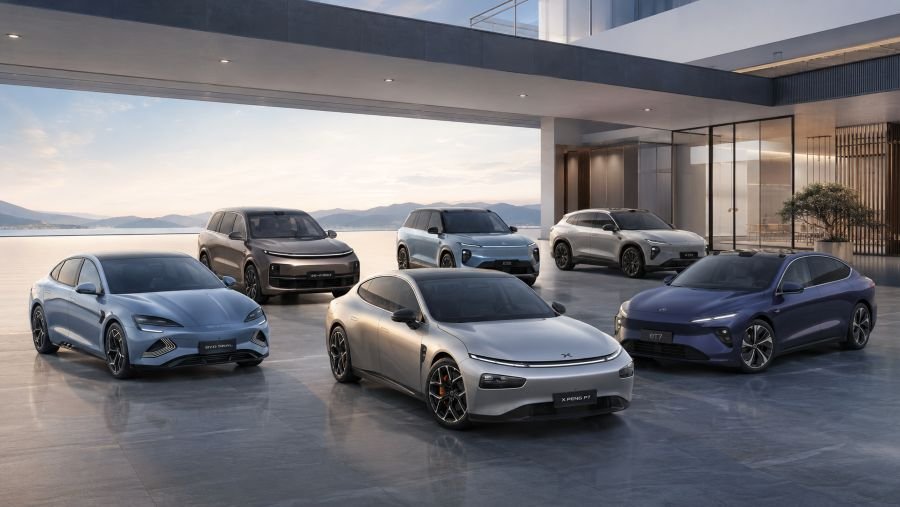
Chinese Cars You Can Actually Buy in the US in 2026
The short answer is disappointing: as of 2026, you cannot purchase any Chinese-branded vehicles through official channels in the United States market. While Chinese automakers produce some of the world’s most advanced, competitively priced vehicles, American consumers remain effectively locked out of accessing them through legal import and dealer channels.
This comprehensive guide explores why American buyers face this significant limitation, which Chinese vehicles dominate global markets, and when realistic scenarios might enable American access to these increasingly impressive vehicles. Whether you’re frustrated by limited EV options or curious about the geopolitical and economic forces shaping automotive markets, understanding the current situation reveals much about the future of global transportation.
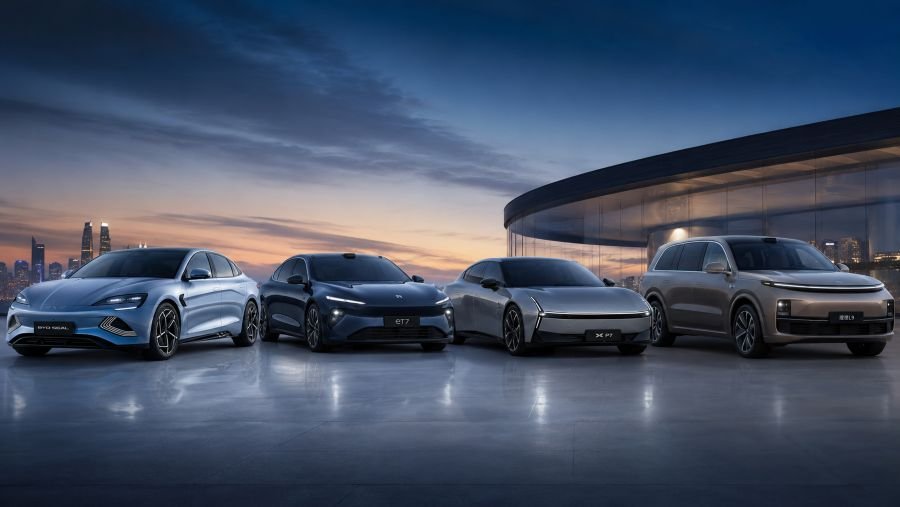
The automotive landscape has fundamentally shifted over the past decade. Chinese manufacturers have moved from producing budget-conscious copies of Western vehicles to developing genuinely innovative technology that competes directly with or exceeds global competitors. BYD now sells more electric vehicles than any other manufacturer worldwide. NIO, XPeng, and Li Auto have demonstrated autonomous driving capabilities rivaling Tesla. Yet Americans cannot access any of these vehicles through legal channels, creating a frustration that grows with each new announcement of impressive features and specifications developed by Chinese engineers.
The Reality: Zero Official Chinese Car Sales in the USA
Let’s be direct: as of May 2026, there are absolutely no Chinese-branded vehicles available for purchase from official dealers in the United States. This is not a case of limited selection or regional availability—it is a complete market absence. You cannot walk into a dealership and purchase a BYD, NIO, XPeng, Li Auto, Geely, or any other Chinese-branded vehicle.
This situation represents a dramatic failure of market integration, driven by policy rather than consumer preference or product inadequacy. When economists speak of “decoupling” between Chinese and American economies, the automotive market provides the most obvious real-world example. While Chinese vehicles dominate in Europe, Asia, and emerging markets, American barriers remain impenetrable.
The Tariff Barrier: Why Chinese Cars Cost Too Much
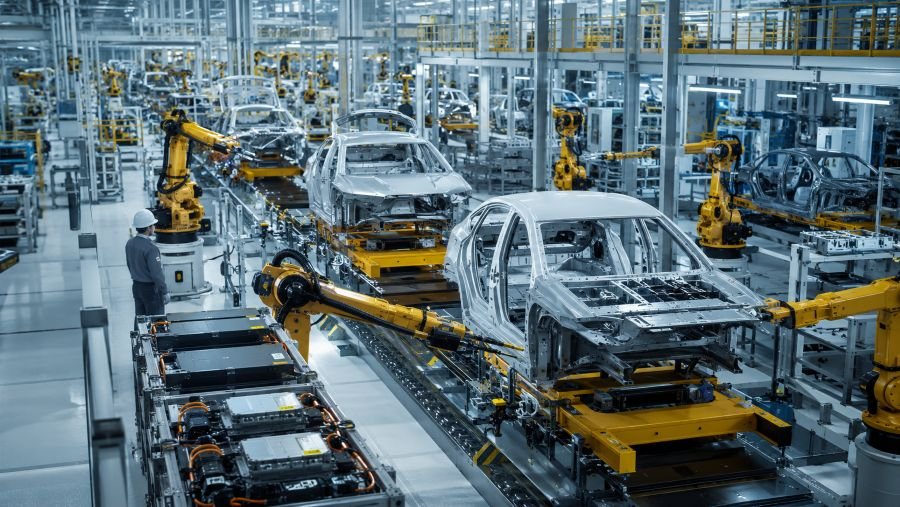
The primary obstacle preventing Chinese vehicles from reaching American markets is the tariff structure implemented through US trade policy. Current tariffs on passenger vehicles manufactured in China reach 27.5%, up from traditional levels of 2.5%. For context, this 25-percentage-point tariff increase is applied on top of the manufacturer’s profit margin, making even competitively priced Chinese vehicles unaffordable in the American market.
To understand the impact, consider the BYD Seraph—a premium electric sedan retailing for approximately 380,000 CNY (roughly $53,000 USD at current exchange rates). This vehicle competes with Tesla Model S and Porsche Taycan in global markets, delivering comparable or superior performance at significantly lower prices. Import a Seraph to America with current tariffs, and the cost increases by $14,600 minimum, bringing it to roughly $68,000—above comparable Tesla pricing and eliminating the primary value proposition driving Chinese vehicle success globally.
💡 Pro Tip: Tariff rates appear on headlines regularly and change through political processes. Monitoring tariff news provides early insight into whether market conditions might enable Chinese vehicle importation. A significant tariff reduction from current 27.5% to 10-15% would potentially make Chinese EV pricing competitive with American and European alternatives.
Regulatory Barriers Beyond Tariffs
Even if tariffs were eliminated overnight, Chinese vehicles could not immediately flood American markets due to regulatory certification requirements. Every vehicle imported into the United States must meet EPA emissions standards, NHTSA safety requirements, and various state-specific regulations. This certification process requires extensive testing, documentation, and engineering modifications to meet American specifications.
The certification process typically requires 2-5 years and costs tens of millions of dollars, with no guarantee of approval. Manufacturers must prove their vehicles meet American safety standards for crash testing, emissions, electrical systems, and countless other specifications. Chinese vehicles designed for Chinese standards must be substantially redesigned to comply with American requirements.
Additionally, Chinese vehicles often feature technology or design elements that conflict with American regulations. For example, certain driver assistance systems approved in China may not meet American standards for liability or functionality. Battery chemistry regulations differ between markets, potentially requiring redesigned battery packs specifically for American vehicles.
The Complete List of Chinese Cars Available in the USA (2026)
This section requires brevity—the list of Chinese-branded vehicles available for purchase in America is literally empty. No models from any Chinese manufacturer are officially available for purchase through American dealers or distributors. However, this deserves clarification: the absence reflects policy and economics rather than capability or consumer preference.
| Chinese Manufacturer | US Market Status | Top Global Model | Announced US Plans |
|---|---|---|---|
| BYD | Not Available | BYD Seraph (EV Sedan) | No official announcement |
| NIO | Not Available | NIO ET6 (EV SUV) | Future expansion considered |
| XPeng Motors | Not Available | XPeng G6 (EV SUV) | Focused on Chinese market |
| Li Auto | Not Available | Li Auto Mega (EV SUV) | No US expansion plans |
| Geely/Volvo | Not Available | Geely Geometry (EV Sedan) | Focusing on Europe |
| GAC Aion | Not Available | Aion V (EV SUV) | No USA plans announced |
The Leading Chinese Vehicles You Cannot Buy (Yet)
Understanding what you cannot purchase reveals what American consumers are missing. The following vehicles dominate Chinese and global markets while remaining unavailable in the United States, representing the state-of-the-art in automotive technology development.
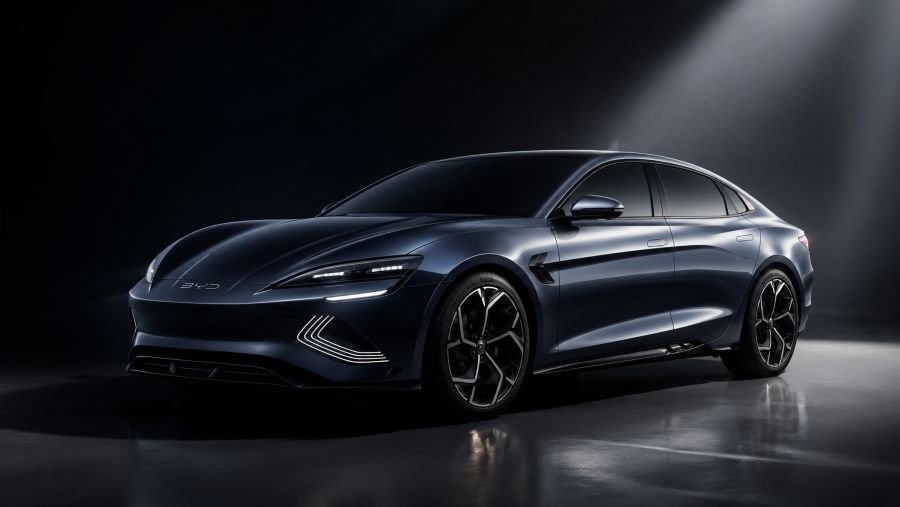
BYD Seraph: The Premium Electric Sedan
The BYD Seraph represents BYD’s flagship offering, positioning against the Tesla Model S and Porsche Taycan in the premium electric sedan segment. With pricing starting near $53,000 USD equivalent, the Seraph delivers performance matching or exceeding much more expensive Western competitors. The vehicle features a sophisticated 50:50 weight distribution, double-wishbone suspension architecture, and response times comparable to dedicated sports cars.
Range options extend to 373 miles (600 kilometers) for extended battery configurations, performance editions deliver 0-60 acceleration in 3.2 seconds, and the interior features premium materials rarely seen at comparable price points. The Seraph’s availability in hybrid DM-i configuration provides options for buyers concerned about charging infrastructure, while pure electric versions satisfy traditional EV enthusiasts.
NIO ET6: The Intelligent Electric SUV
NIO positions itself as a technology-first manufacturer, developing autonomous driving capabilities that rival Tesla’s Autopilot in sophistication. The ET6 represents NIO’s mid-size electric SUV offering, featuring the company’s innovative battery-as-a-service (BaaS) model that allows consumers to lease batteries rather than purchasing them outright—reducing initial purchase costs and enabling battery upgrades as technology improves.
The ET6 delivers acceleration from 0-60 in approximately 5.2 seconds, provides ranges exceeding 300 miles, and features NIO’s Aquila Super Sensing autonomous driving system with 50+ sensors providing comprehensive environmental awareness. Interior designs emphasize technology integration and user experience, with premium materials and intelligent cabin systems responding to driver preferences.
XPeng G6: The Performance Electric SUV
XPeng has earned particular respect for autonomous driving technology development, with the G6 representing the company’s benchmark offering. The vehicle features 360-degree autonomous driving coverage, superior to many competitors’ offerings, combined with performance metrics that satisfy driving enthusiasts—accelerating from 0-60 in under 5 seconds while maintaining a 0.2Cd drag coefficient rivaling dedicated sports cars.
The G6’s interior emphasizes spaciousness and technology, with generous cargo capacity and flexible seating configurations. XPeng’s software enables rapid updates adding features and improving performance, ensuring vehicles remain technologically current throughout ownership. Pricing significantly undercuts comparable Western EVs with similar specifications.
Why Chinese Cars Remain Absent Despite Superior Value
The economic logic strongly favors Chinese vehicle entry into American markets. Chinese manufacturers produce quality vehicles at lower costs than Western competitors, providing customer value that should create demand in price-sensitive American markets. Yet policy barriers override these economic incentives. Trade tensions between Washington and Beijing have elevated automotive to a national security concern, despite most economists viewing this classification as pretextual.
Politically, supporting domestic manufacturers benefits labor unions and established automakers—constituencies with significant influence. Admitting Chinese vehicles would acknowledge that American manufacturers cannot compete on merit, creating domestic political pressure. This dynamic explains why tariffs persist despite economic harm to consumers and broader strategic implications.
⚠️ Important Note: While technically legal to import vehicles for personal use, importing Chinese vehicles as consumer goods violates EPA certification requirements and NHTSA safety standards. The compliance paperwork alone prevents realistic private importation. Those considering purchasing Chinese vehicles should exclusively use legal channels—which currently don’t exist in the US market.
Timeline: When Might Chinese Cars Actually Arrive in America?
Predicting market entry timing requires understanding multiple variables: tariff changes through political processes, regulatory approval timelines, manufacturer strategic decisions, and broader geopolitical relationships. Based on current trends, realistic scenarios appear as follows:
- 2026-2028 (Short-term, unlikely): No Chinese vehicle manufacturer entry expected in this timeframe. Tariffs remain prohibitive, regulatory barriers unchanged, and political environment unsupportive of Chinese manufacturing in the US.
- 2028-2032 (Medium-term, possible): If tariff reductions occur and regulatory pathways open, initial Chinese EV entries might occur. Companies like NIO have publicly discussed 2030-2033 timelines for American expansion, though these dates remain speculative.
- 2032-2040 (Long-term, probable): By 2040, economic and political pressure from consumers demanding better-value vehicles may overcome protectionist barriers. Chinese manufacturers could establish American operations, likely through joint ventures or regional assembly facilities rather than direct imports.
Alternatives Available to American Buyers Right Now
While Chinese vehicles remain unavailable, American and international manufacturers offer competitive alternatives. Tesla remains the dominant American EV manufacturer, with Model 3 and Model Y vehicles offering proven technology and extensive charging infrastructure. General Motors’ Chevrolet Bolt EV provides exceptional value, with $25,000+ pricing accessible to broader consumer segments. Ford’s F-150 Lightning brings electric power to the truck segment, while Volkswagen, BMW, Mercedes-Benz, and Audi offer premium electric vehicles combining European engineering with competitive pricing.
However, these alternatives typically cost $5,000-$15,000 more than comparable Chinese vehicles in international markets—representing significant consumer harm resulting from protectionist policies. A buyer willing to pay $45,000 for a Tesla Model 3 could purchase a BYD Seraph with superior range, performance, and features at $53,000 if tariffs were eliminated.
FAQ: Chinese Cars and American Markets
Are there any Chinese cars available to buy in the United States?
As of 2026, there are virtually no Chinese-branded vehicles available for purchase in the US market. High tariffs on Chinese-manufactured vehicles and regulatory barriers have prevented Chinese automakers from entering the American market, despite producing competitive vehicles globally.
When will BYD or NIO vehicles be available in America?
While BYD and NIO have announced long-term intentions to enter the US market, no official launch dates have been confirmed. Industry estimates suggest Chinese EV manufacturers may begin US operations within 5-10 years, pending tariff reductions and regulatory approvals.
Why can’t American buyers purchase Chinese cars?
US import tariffs on Chinese vehicles reach 27.5% or higher, dramatically increasing final prices and eliminating price advantages Chinese manufacturers typically enjoy. Additionally, vehicles must satisfy EPA, NHTSA, and state-specific regulations that require expensive certification processes.
Are Chinese electric vehicles cheaper than Tesla in the US?
In global markets outside the US, Chinese EVs like the BYD Seraph and NIO ET6 offer competitive pricing versus Tesla. However, US tariffs would eliminate this cost advantage, likely pricing them similarly to or above Tesla models despite lower base prices in China.
What is the best alternative to Chinese cars for US buyers?
American and European EV manufacturers including Tesla, Chevrolet, Ford, BMW, and Mercedes-Benz offer competitive electric vehicles available in the US market. However, Chinese competitors often provide superior range and features at lower international prices.
Can I privately import a Chinese car to the United States?
Importing Chinese vehicles privately is extremely difficult and impractical. Vehicles must meet EPA emissions certification and NHTSA safety standards—requirements that prevent most private importation. Additionally, compliance documentation, vehicle modifications, and legal liability concerns make private imports financially unrealistic for most consumers.
The Future: What Changes Could Open American Markets
Several scenarios could eventually enable Chinese vehicle entry into American markets. Trade agreement modifications could reduce tariffs from current prohibitive levels to competitive rates. Regulatory harmonization between American and Chinese standards could eliminate certification barriers for vehicles designed with both markets in mind. Political shifts emphasizing consumer choice over protectionism could enable Chinese manufacturer expansion.
Additionally, Chinese manufacturers establishing American manufacturing facilities—rather than importing finished vehicles—could circumvent tariff barriers. Tesla has demonstrated this approach works, with American Gigafactory operations enabling competitive US pricing. BYD could theoretically establish American battery manufacturing and vehicle assembly, creating American jobs while enabling market entry.
Conclusion: A Market Failure Driven by Policy
The absence of Chinese cars from American markets represents a policy failure rather than a consumer choice or product inadequacy. Chinese manufacturers produce genuinely innovative, competitively priced vehicles that would appeal to American consumers if legal barriers didn’t prevent access. Tariffs and regulatory barriers exist not to protect consumers but to shield domestic manufacturers from competitive pressure they cannot withstand on merit.
As automotive technology rapidly evolves, this situation becomes increasingly untenable. American consumers want choices, competitive pricing, and access to the world’s most advanced vehicles. Yet policy prevents them from accessing options that would deliver superior value. This dynamic will likely change eventually—consumer pressure, political shifts, or the irrelevance of traditional automotive manufactures could force policy recalibration. Until then, American buyers watching Chinese vehicles advance remain frustrated spectators in the global automotive revolution.