BYD Seal vs Hyundai IONIQ 6: Which Mid-Range EV Sedan Wins?
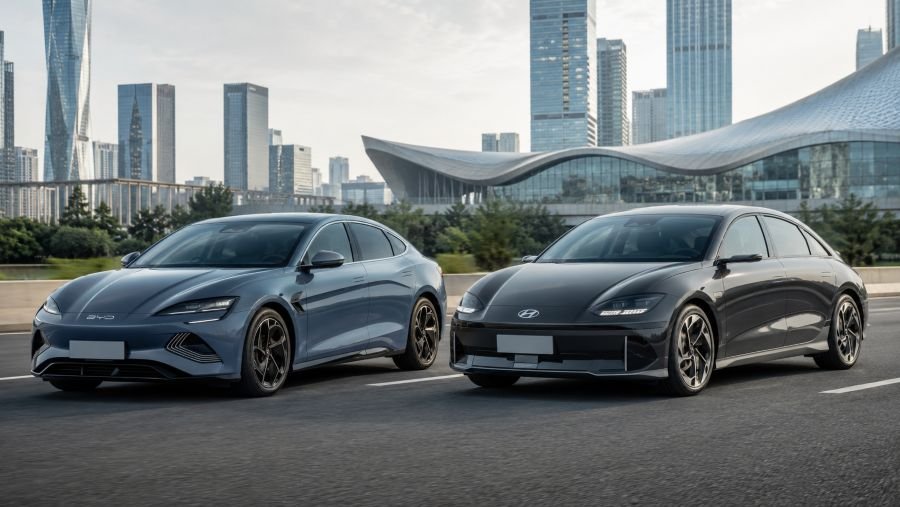
BYD Seal vs Hyundai IONIQ 6: Two premium mid-range EV sedans
Introduction: The Mid-Range EV Sedan Showdown
The electric vehicle market has exploded in the past three years, and the competition is fiercer than ever. While premium EVs like the Tesla Model 3 and luxury options dominate headlines, the mid-range EV sedan segment is where real-world buyers make their choices. Two cars have emerged as the strongest contenders: the BYD Seal from China and the Hyundai IONIQ 6 from South Korea.
Both vehicles target the same buyer: someone who wants an affordable, reliable electric sedan with excellent range, modern features, and a beautiful design. But they come from different automotive cultures and offer different advantages. The BYD Seal represents the cutting edge of Chinese EV technology, while the IONIQ 6 brings Hyundai’s proven engineering expertise to the electric market.
This detailed comparison will explore every aspect of both vehicles—from specifications and pricing to real-world performance and ownership costs. By the end, you’ll have a clear understanding of which sedan is the better choice for your needs.
Specifications Comparison: By the Numbers
Let’s start with the hard facts. Here’s how the BYD Seal and Hyundai IONIQ 6 stack up on key specifications:
| Specification | BYD Seal | Hyundai IONIQ 6 |
|---|---|---|
| Battery Capacity | 44.9 kWh / 60.48 kWh | 53 kWh / 84 kWh |
| Electric Range (EPA/CLTC) | 305 – 440 km | 547 – 614 km |
| Power Output | 150 kW / 160 kW | 160 kW / 225 kW |
| 0-100 km/h (Seconds) | 7.9s / 7.3s | 7.2s / 5.8s |
| Charging Time (DC Fast 10-80%) | 35-40 minutes | 18 minutes |
| Starting Price (USD) | $24,000 – $28,000 | $42,000 – $50,000 |
| Vehicle Length | 4,822 mm | 4,855 mm |
| Curb Weight | 1,230 kg – 1,350 kg | 1,570 kg – 1,680 kg |
| Warranty (Years) | 6 years / 150,000 km (battery) | 10 years / 200,000 km (battery) |
Design & Aesthetics: Form and Function
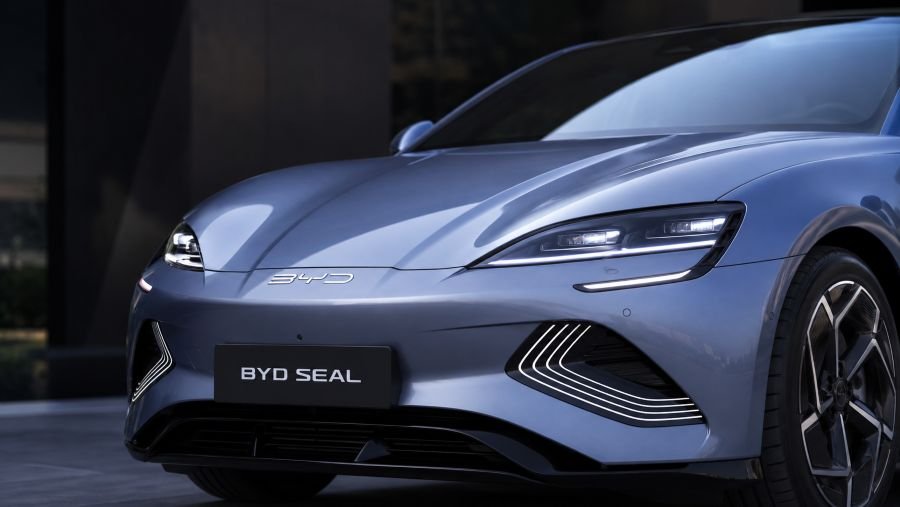
BYD Seal: Bold design language with sharp LED lighting
When you’re shopping for a sedan, design matters. You’ll see this car every day, and it should make you happy.
BYD Seal Design Philosophy
The BYD Seal adopts what BYD calls the “Ocean Series” design language—clean lines, flowing surfaces, and a low, sleek profile. The front end features BYD’s distinctive logo positioned centrally, with a full-width LED light bar that creates a modern, tech-forward appearance. The side profile is particularly impressive, with a pronounced curve that suggests motion even when the car is standing still.
Inside, the Seal offers a minimalist dashboard with a central touchscreen, minimalist steering wheel, and comfortable seating for five passengers. The interior uses soft-touch materials and offers good legroom for a compact sedan. Storage solutions are practical, with a decently sized trunk (410 liters) and various cupholders and pockets throughout.
Hyundai IONIQ 6 Design Philosophy
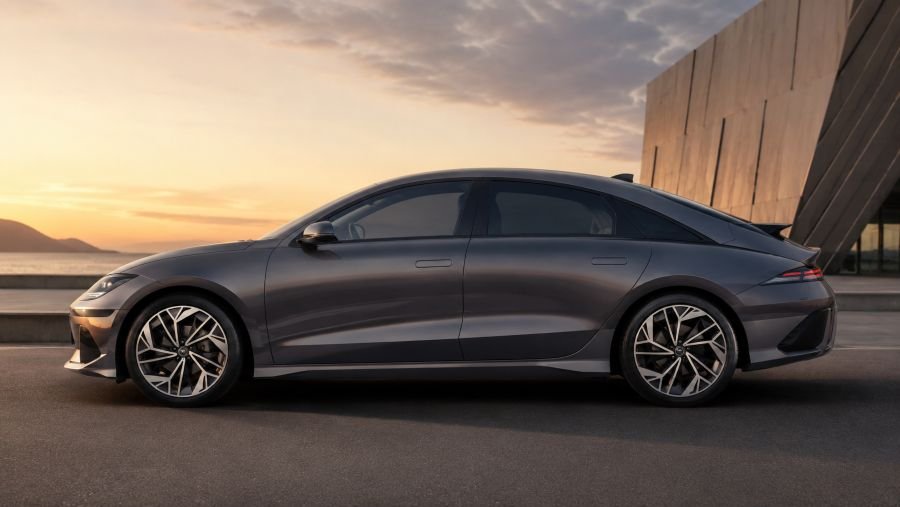
Hyundai IONIQ 6: Aerodynamic design with distinctive rear styling
The Hyundai IONIQ 6 takes a more futuristic approach, with a teardrop-shaped profile optimized for aerodynamics (0.21 Cd). The car is longer and lower than the Seal, giving it an almost coupe-like appearance despite being a full sedan. The front features Hyundai’s latest parametric design language with a unique split LED lighting system. The rear is particularly distinctive, with horizontal taillights spanning the full width of the vehicle.
The IONIQ 6’s interior is spacious and high-tech, featuring a large dual-screen setup (12.3-inch instrument cluster + 12-inch touchscreen), premium upholstery options, and excellent ergonomics. The trunk is larger (450 liters), and the rear seat legroom is superior to the Seal. The overall atmosphere is premium and modern.
Design Winner: Hyundai IONIQ 6
While both cars are beautiful, the IONIQ 6 edges ahead with its more sophisticated proportions, premium interior materials, and distinctive design language. However, the Seal’s clean simplicity appeals to those who prefer understated elegance.
Performance: Real-World Driving Experience
Acceleration and Speed
The Hyundai IONIQ 6 delivers superior performance in both base and performance variants. The standard 160 kW motor provides adequate acceleration (7.2 seconds, 0-100 km/h), while the dual-motor AWD version achieves an impressive 5.8-second sprint. The BYD Seal’s 150-160 kW motors are competitive but slightly slower, with acceleration ranging from 7.3 to 7.9 seconds depending on the variant.
For daily driving, both cars feel responsive and energetic. The IONIQ 6 has the edge for enthusiasts who enjoy spirited driving, but most buyers won’t notice a significant practical difference.
Handling and Comfort
The BYD Seal’s lighter weight (1,230-1,350 kg vs. 1,570-1,680 kg for the IONIQ 6) provides a more nimble, agile feel in corners. It’s easier to park, more maneuverable in tight spaces, and feels less “heavy” on winding roads. The suspension is tuned for comfort with minimal harshness.
The Hyundai IONIQ 6 prioritizes comfort and stability. Its longer wheelbase and heavier weight create a more “planted” feeling at highway speeds, which some drivers prefer for long-distance driving. The suspension is well-balanced between comfort and handling, though it’s not as playful as the Seal in spirited driving.
Battery Range: The Critical Difference
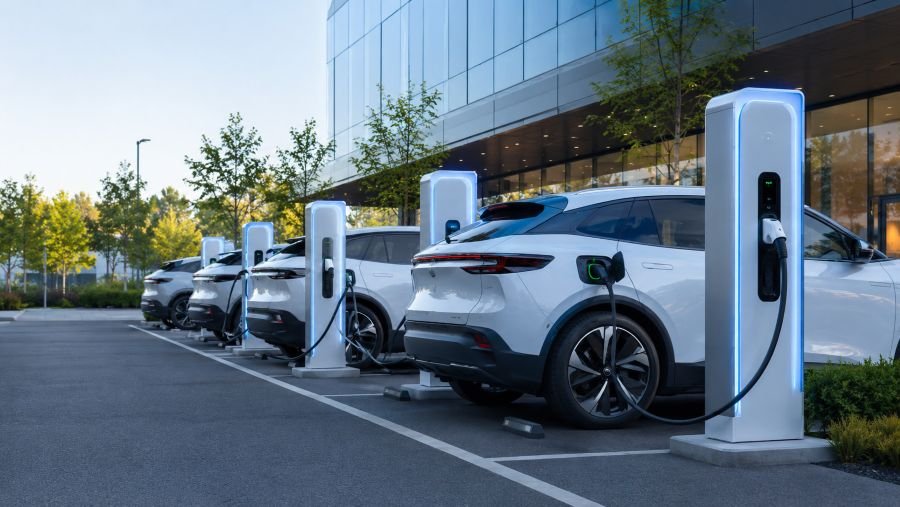
Charging infrastructure: Both vehicles offer excellent charging compatibility
For EV buyers, range is perhaps the most important specification. Both vehicles offer competitive range, but the differences are significant.
BYD Seal Range
The BYD Seal offers two battery options:
- Standard: 44.9 kWh battery = ~305 km CLTC (~200 km real-world)
- Extended: 60.48 kWh battery = ~440 km CLTC (~280 km real-world)
CLTC estimates are optimistic; real-world range is typically 60-70% of advertised figures under mixed driving conditions.
Hyundai IONIQ 6 Range
The Hyundai IONIQ 6 offers comparable battery options:
- Standard: 53 kWh battery = ~547 km EPA (~430 km real-world)
- Extended: 84 kWh battery = ~614 km EPA (~490 km real-world)
EPA estimates are more realistic than CLTC, meaning the IONIQ 6’s real-world range is significantly better than the BYD Seal’s.
Range Verdict
For highway driving and long trips, the Hyundai IONIQ 6 is the clear winner. Its superior range and faster charging make it ideal for anyone who drives beyond 200 km regularly. The BYD Seal is sufficient for city commuters and short trips but requires more frequent charging for longer journeys.
Pricing and Value: The Cost of Ownership
🏷️ BYD Seal Pricing
Base Model: $24,000
Mid-Range: $26,000
Premium: $28,000
Pricing varies by region; Chinese domestic prices significantly lower
💰 Hyundai IONIQ 6 Pricing
Base Model: $42,000
Mid-Range: $46,000
Premium: $50,000
International pricing; availability depends on market regulations
The price difference is substantial. You can buy nearly two BYD Seals for the price of one Hyundai IONIQ 6. This makes the Seal incredibly attractive for budget-conscious buyers, but it’s crucial to consider what you’re getting for the extra investment in the IONIQ 6:
- Significantly longer range (doubling real-world distance)
- Faster charging (18 minutes vs. 35-40 minutes for 10-80%)
- More powerful motors and better acceleration
- Longer warranty (10 years vs. 6 years on battery)
- More premium interior materials and technology
Technology & Features: Infotainment and Safety
BYD Seal Technology
The BYD Seal features BYD’s DiLink smart system, which is impressive for the price. The 10.25-inch central touchscreen supports smartphone integration, voice commands (in Chinese and English markets), and over-the-air (OTA) updates. Safety features include ABS, stability control, and optional ADAS systems with adaptive cruise control and lane-keeping assistance on higher trims.
Hyundai IONIQ 6 Technology
The IONIQ 6 comes standard with Hyundai’s Smartstream infotainment system, a dual 12.3-inch screen setup, wireless smartphone integration, and advanced voice control. Safety is comprehensive, with Hyundai’s SmartSense suite offering blind-spot detection, forward-collision warning, lane-keeping assist, and more. The system feels more refined and responsive than the Seal’s.
Charging Infrastructure & Compatibility
Both vehicles support the same charging standards in most markets, though this varies by region:
| Charging Type | BYD Seal | Hyundai IONIQ 6 |
|---|---|---|
| Home AC Charging (7 kW) | 6-8 hours (full battery) | 7-10 hours (full battery) |
| Fast DC Charging (50 kW) | 45-50 minutes | 35-40 minutes |
| Ultra-Fast DC (150-350 kW) | 35-40 minutes (10-80%) | 18 minutes (10-80%) |
| Connector Type | GBT (China), CCS (International) | CCS Type 2 (Europe), CCS Type 1 (US/Korea) |
The Hyundai IONIQ 6’s superior DC fast-charging capability is a major practical advantage if you frequently use public charging networks.
Real-World Ownership Costs
Insurance and Registration
Insurance costs vary significantly by region, but generally:
- BYD Seal: Lower insurance premiums due to lower vehicle value
- Hyundai IONIQ 6: Higher premiums reflecting the higher purchase price
Maintenance and Repairs
Both vehicles benefit from electric motors requiring minimal maintenance. However:
- BYD Seal: Service availability may be limited outside major cities; spare parts can be harder to find
- Hyundai IONIQ 6: Extensive dealer network worldwide; easier to find service centers and parts
Energy Costs
Assuming electricity costs $0.12 per kWh:
- BYD Seal: ~$2.50 per 100 km
- Hyundai IONIQ 6: ~$2.00 per 100 km
Over 150,000 km (typical 10-year ownership), the IONIQ 6 saves ~$750 in electricity costs, though this varies based on local energy prices.
BYD Seal Pros & Cons
✓ Advantages
- Exceptional value for money
- Lighter, more agile handling
- Compact, easy to park
- Modern, attractive design
- Adequate for daily commuting
- Good build quality
✕ Disadvantages
- Limited real-world range (~280 km)
- Slower DC fast charging (35-40 min)
- Shorter battery warranty
- Less advanced technology
- Limited service availability globally
- Not ideal for long road trips
Hyundai IONIQ 6 Pros & Cons
✓ Advantages
- Excellent real-world range (~490 km)
- Ultra-fast charging (18 min to 80%)
- Premium interior and materials
- Longer warranty (10 years battery)
- Better acceleration and performance
- Excellent safety ratings
- Worldwide service network
✕ Disadvantages
- Significantly higher purchase price
- Heavier, less agile than Seal
- Longer overall length (parking)
- Susceptible to crosswind sensitivity
- Limited availability in some markets
- Overkill for short commutes
FAQ: Your Questions Answered
The Verdict: Which EV Sedan Should You Buy?
Choose the BYD Seal if you:
- Have a tight budget and want an affordable EV
- Drive primarily in the city (under 200 km daily)
- Have access to home charging
- Value agile handling and easy maneuverability
- Prioritize style and modern design at a low price
- Live in a region with BYD service availability
Choose the Hyundai IONIQ 6 if you:
- Want the best all-around EV sedan
- Frequently take long road trips (300+ km)
- Value premium interior and technology
- Want maximum battery warranty coverage
- Prioritize fast charging capabilities
- Prefer a global service network
- Can justify the premium price for superior range
Conclusion: The Winner Depends on Your Needs
There’s no clear “winner” between the BYD Seal and Hyundai IONIQ 6 because they serve different market segments. The BYD Seal is the budget EV champion—stylish, modern, and affordable. For city dwellers and daily commuters, it’s an excellent choice. The Hyundai IONIQ 6 is the premium EV sedan king—with superior range, technology, and warranty. For anyone who values long-distance capability and is willing to pay for it, the IONIQ 6 is the clear choice.
Both vehicles represent the best of their respective regions: BYD’s innovative spirit and value engineering from China, and Hyundai’s refined engineering and global perspective from South Korea. Whichever you choose, you’re getting an excellent electric sedan that will serve you well for years to come.
The real question isn’t which car is better—it’s which car is better for you. Consider your budget, driving patterns, and long-term needs. If you’re still unsure, we recommend test-driving both (if available in your market) to experience the differences firsthand.