BYD Sealion 7 vs Tesla Model Y: Should America Be Worried?
The electric vehicle landscape in the United States is about to shift. For years, Tesla has dominated the American EV market with its superior technology, brand prestige, and charging infrastructure. But now, Chinese automakers like BYD are knocking on the door. The BYD Sealion 7, one of BYD’s most advanced electric vehicles, is generating serious buzz globally. While it’s not officially available in the USA yet, understanding how it compares to the Tesla Model Y is crucial for understanding the future of American automotive industry.
In this comprehensive comparison, we’ll break down every aspect: performance metrics, pricing strategy, technology features, battery capabilities, and what it all means for the American market. Let’s explore whether American consumers and lawmakers should be worried about the Chinese EV invasion.
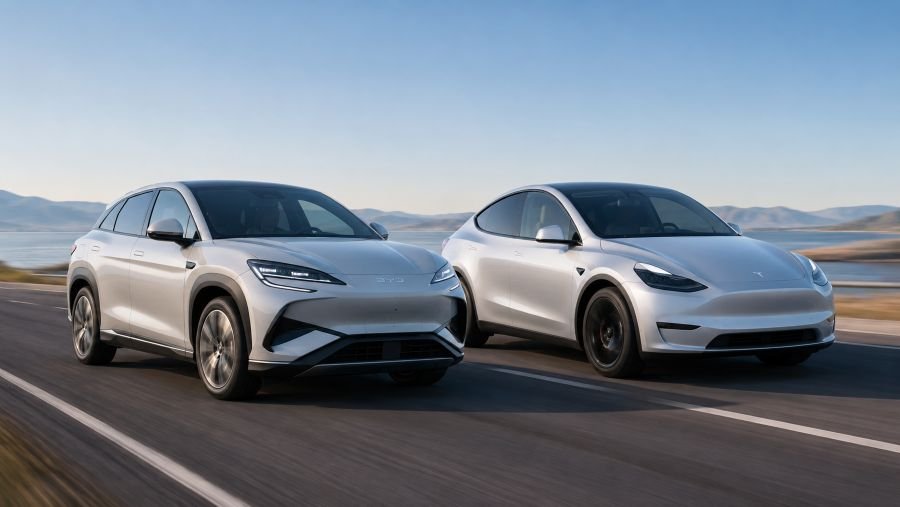
What Is the BYD Sealion 7?
The BYD Sealion 7 (also known as the Yuan Plus DM-i in some markets) is a plug-in hybrid electric vehicle (PHEV) that represents BYD’s commitment to affordable, practical electrification. Don’t confuse it with a pure EV—the Sealion 7 combines a petrol engine with an electric motor, offering drivers the flexibility of both fuel types.
BYD, the world’s largest EV manufacturer by volume, engineered the Sealion 7 to be accessible without sacrificing capability. It’s available in multiple markets including China, Southeast Asia, and select European countries, with growing interest from other regions.
Key specifications of the BYD Sealion 7:
- Length: 4,710mm (compact mid-size SUV)
- Powertrain: 1.5L petrol engine + electric motor (PHEV configuration)
- Pure electric range: 100-110 km (62-68 miles)
- Total range with fuel: 700+ km (435+ miles)
- Acceleration: 0-100 km/h in approximately 7.5 seconds
- Starting price (China): From ¥139,800 (approximately $19,300 USD)
What About Tesla Model Y?
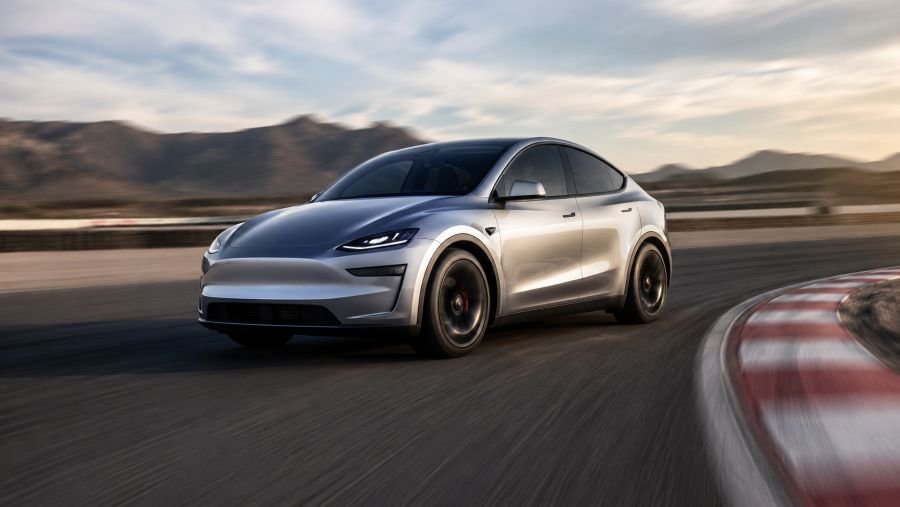
The Tesla Model Y is the world’s best-selling vehicle (not just EV—entire vehicle market). It’s a fully electric crossover SUV that has become the standard against which all other EVs are measured. Available in the USA since 2020, the Model Y has sold millions of units globally.
Current Tesla Model Y specifications (USA market):
- Length: 4,751mm (compact mid-size SUV)
- Powertrain: All-electric with single or dual motor options
- Range: 260-330 miles (418-531 km) depending on version
- Acceleration: 0-60 mph in 4.8-6.7 seconds
- Starting price (USA): From $43,990 (Rear-Wheel Drive)
- Charging: Compatible with Tesla Supercharger network (15,000+ stations in USA)
Head-to-Head Comparison: Critical Factors
1. Pricing & Value Proposition
| Factor | BYD Sealion 7 | Tesla Model Y |
|---|---|---|
| Base Price (converted to USD) | ~$19,300 | $43,990 |
| Price Advantage | 56% cheaper | 2.3x more expensive |
| Cost per Mile of Range | ~$44.50/mile (with fuel) | ~$133/mile (pure EV) |
| Warranty (Battery) | 8 years / 160,000 km | 8 years / 120,000 miles |
2. Electric Range & Real-World Performance
This is where the comparison gets interesting because these vehicles serve different purposes:
BYD Sealion 7: Designed as a practical commuter vehicle, it offers 62-68 miles of pure electric range—enough for most daily commutes without using the petrol engine. Beyond that, the 1.5L engine kicks in, providing unlimited range. This “best of both worlds” approach appeals to consumers anxious about charging infrastructure.
Tesla Model Y: Offers 260-330 miles of pure electric range depending on configuration. In the US where charging infrastructure is improving, this eliminates range anxiety for most users. The Model Y Performance can travel over 300 miles on a single charge, matching or exceeding most petrol vehicles.
Winner: Tie with different applications — If you live in California or another EV-friendly state, Model Y’s range is superior. If you’re skeptical about charging infrastructure, the Sealion 7’s hybrid approach feels safer.
3. Performance & Acceleration
| Metric | BYD Sealion 7 (PHEV) | Tesla Model Y RWD | Tesla Model Y Performance |
|---|---|---|---|
| 0-60 mph (0-100 km/h) | 7.5 seconds | 6.2 seconds | 3.5 seconds |
| Top Speed | 180 km/h (112 mph) | 201 km/h (125 mph) | 254 km/h (163 mph) |
| Handling | Comfortable, balanced | Excellent, responsive | Track-ready performance |
| Acceleration Feel | Smooth, engine-assisted | Instant torque, electric | Supercar-level instant |
4. Technology & Innovation
Tesla Model Y’s Tech Advantages:
- Autopilot with Supervised Full Self-Driving (FSD) capabilities—continuously improving via OTA updates
- NVIDIA-powered AI computer for autonomous driving development
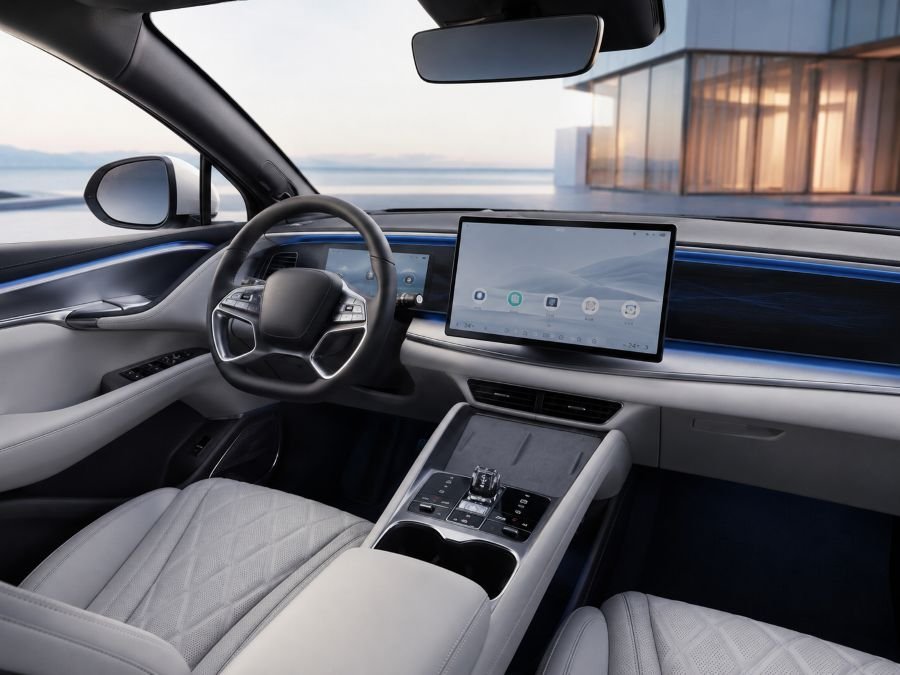
- Minimalist interior with 15.4″ touchscreen as central control
- Over-the-air software updates (major improvements monthly)
- Supercharger network: Proprietary, proprietary, ultra-reliable (moving to NACS standard)
- Heat pump technology for optimal efficiency in cold weather
BYD Sealion 7’s Tech Features:
- Intelligent Infotainment System (DiLink-powered in some markets)
- Advanced driver-assistance systems (ADAS) but not autonomous driving
- Voice control in Mandarin and English options
- 360-degree panoramic camera
- Engine Management Optimization to maximize efficiency in hybrid mode
- Traditional control layout (familiar to petrol car drivers)
5. Battery Technology & Longevity
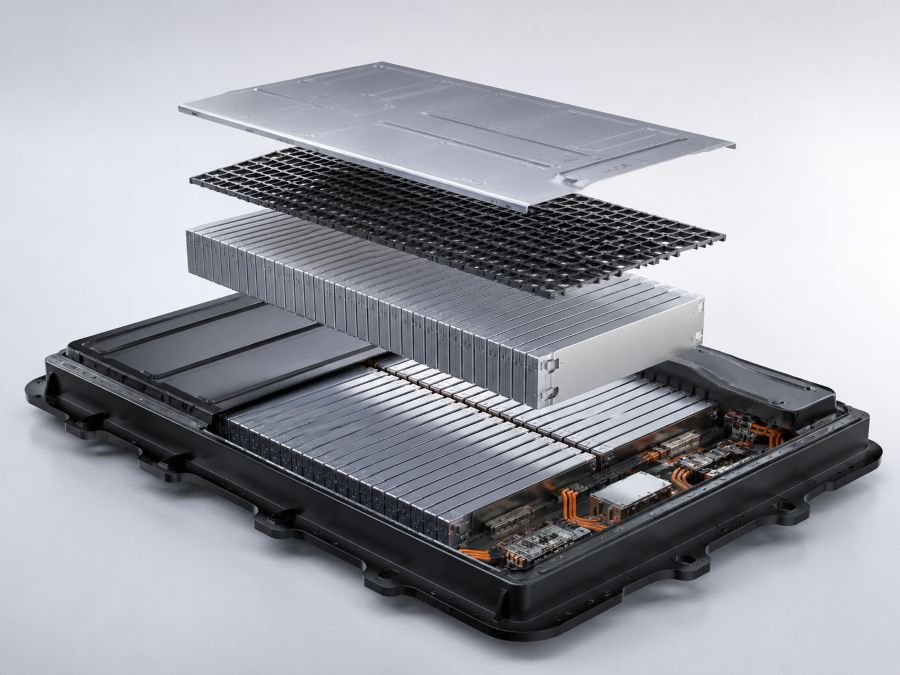
BYD’s Battery Innovation: BYD manufactures its own batteries—the Blade Battery (LFP chemistry) has become legendary for durability. In crash tests and longevity studies, LFP batteries show:
- Over 1 million miles of lifespan potential
- Better thermal stability (safer in extreme heat)
- Lower cost per kWh
- Slower degradation compared to NCA/NCM cathodes
- Greater cycle life (2,000+ cycles at 80% capacity)
Tesla’s Battery Technology: Uses a combination of 4680 cells and traditional cells with NCM/NCA chemistry:
- Higher energy density than LFP
- Excellent performance at higher states of charge
- Proven reliability with millions of vehicles on roads
- Recent shift toward LFP in some markets
- Degradation: Average 90-95% capacity after 200,000 miles
Winner: Tie with different priorities — BYD’s LFP wins on longevity and safety; Tesla’s performance-optimized cells win on efficiency and range.
6. Charging Infrastructure
This is Tesla’s knockout advantage in the USA market:
The Tesla Supercharger network has become synonymous with convenient EV charging. With over 15,000 stations across the US, Model Y owners can drive cross-country with minimal planning. Recent upgrades include:
- 350 kW chargers at many locations (80% in 20 minutes)
- Integrated payment system
- Real-time availability app integration
- Expanding to non-Tesla vehicles (via NACS standard adoption)
For the Sealion 7 to succeed in the US, BYD would need to partner with charging networks or invest billions in infrastructure. Currently, there’s no Sealion 7-specific charging infrastructure plan for America.
7. Design & Comfort
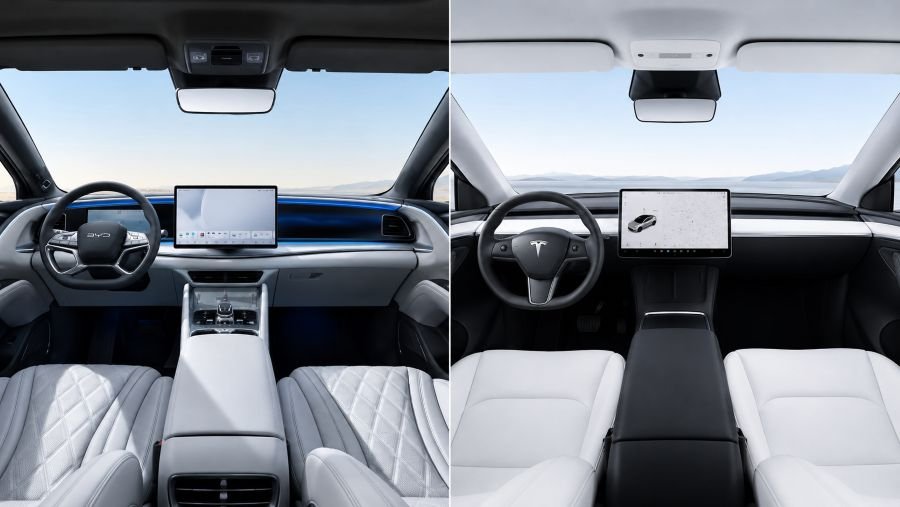
| Aspect | BYD Sealion 7 | Tesla Model Y |
|---|---|---|
| Seating Comfort | Excellent, traditional SUV feel | Excellent, modern minimalist |
| Cargo Space | 568 liters (20 cu ft) | 76 cu ft (with rear seat folded) |
| Interior Materials | Premium fabrics, leather options | Vegan leather, minimalist |
| Noise Levels | Moderate (engine noise in hybrid mode) | Whisper-quiet (electric only) |
| Climate Control | Traditional HVAC | Heat pump technology (superior in cold) |
Winner: Tesla Model Y — While both are comfortable, Tesla’s minimalist design philosophy and heat pump technology are better engineered for EV-specific comfort. The Sealion 7 is excellent but more traditional.
The Bigger Picture: Should America Worry?
Yes, but for nuanced reasons. Here’s why the American auto industry should take Chinese EVs seriously—even though the Sealion 7 itself may never arrive in the US.
The Legitimate Concerns
- Price Pressure: Chinese manufacturers like BYD can produce vehicles at 40-50% lower costs than US manufacturers. This will eventually force price competition, hurting American EV profitability margins.
- Manufacturing Efficiency: BYD’s vertically integrated supply chain (from batteries to semiconductors) gives them cost advantages Tesla is trying to replicate.
- Battery Dominance: BYD is the world’s largest battery producer. Controlling raw materials and manufacturing will be crucial for the EV future, and China has advantages here.
- Global Competition: The Sealion 7 is selling millions in Asia, Europe, and other markets. A Chinese automaker’s success outside America will drive R&D investment we should monitor.
- Technology Parity: The Sealion 7 proves Chinese EVs are no longer “cheap knockoffs”—they’re legitimate alternatives with competitive features.
Why Sealion 7 Won’t Succeed in USA (Currently)
Despite its merits, the BYD Sealion 7 faces barriers that prevent immediate US market entry:
- Regulatory Restrictions: US tariffs on Chinese EVs (27.5%+) and pending regulations make import economics untenable
- Brand Recognition: American consumers don’t know BYD; Tesla has 20+ years of EV credibility
- Service Infrastructure: No dealership or service networks established in America
- Charging Compatibility: NACS (Tesla’s standard, adopted by others) isn’t compatible with China’s charging standards
- Safety Certification: NHTSA crash testing and EPA environmental certifications take years
Frequently Asked Questions
No, it’s a plug-in hybrid electric vehicle (PHEV). It combines a 1.5L petrol engine with an electric motor, offering 62-68 miles of pure electric range before the engine engages. This differs from Tesla Model Y, which is fully electric.
Not legally, currently. BYD has not officially launched this model in America due to regulatory barriers, tariffs, and infrastructure requirements. Future availability depends on US-China relations and regulatory changes.
Tesla has more real-world track record in the US with proven reliability. BYD’s vehicles have strong reliability records globally, but long-term US ownership experience data is limited. PHEV reliability depends heavily on powertrain integration—something BYD has perfected in Asia.
Both are warrantied for 8 years. BYD’s LFP batteries show 1 million+ mile potential. Tesla batteries average 90-95% capacity retention after 200,000 miles. Real-world longevity exceeds warranty in most cases.
Not necessarily. Tesla’s price reflects Supercharger network access, autonomous driving development, proven reliability, and after-sales support in the US. The Sealion 7’s lower price reflects manufacturing advantages and less developed service infrastructure.
If available today, Model Y remains the best EV choice for US drivers due to charging infrastructure and support. Monitor Chinese EV technology—it’s advancing rapidly. Expect more competition from traditional automakers offering cheaper EVs by 2028-2030.
Final Verdict: Head-to-Head Winner
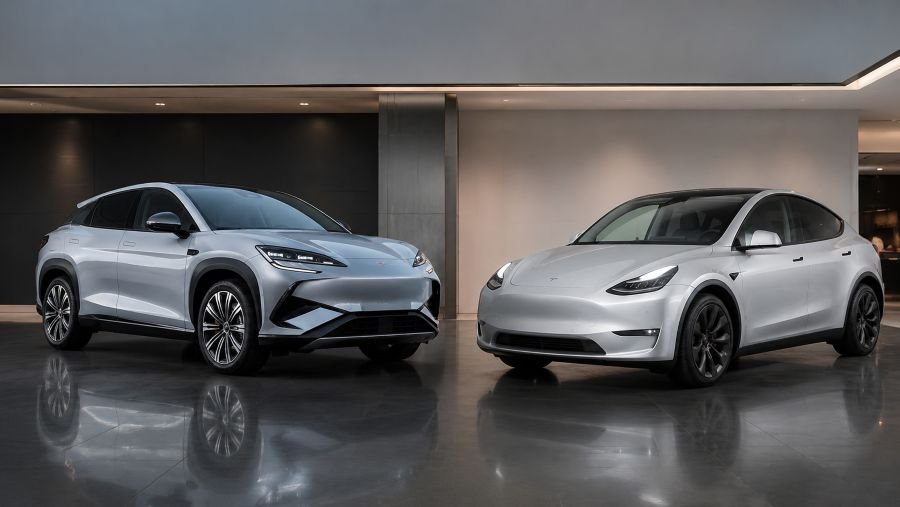
For American consumers right now: Tesla Model Y wins decisively. It offers superior technology, proven reliability, unmatched charging infrastructure, and autonomous driving capabilities that matter in the US market. The price premium ($24,000 more) is justifiable given these advantages.
For global market dynamics: BYD Sealion 7 wins. It proves Chinese manufacturers can produce affordable, practical vehicles that appeal to cost-conscious consumers in developing and emerging markets. Its hybrid approach bridges the EV transition for skeptical buyers. While it won’t succeed in America immediately, it validates the threat Chinese automakers pose to traditional players.
The Real Story
This comparison ultimately asks the wrong question. It’s not about whether Americans should be worried about the Sealion 7 specifically—it’s about what the Sealion 7 represents: a fundamental shift in global automotive capability and cost structure.
Tesla revolutionized EVs and proved Americans wanted electric cars. Now, Chinese manufacturers are proving they can deliver EVs at a fraction of Tesla’s cost. This isn’t a threat to Tesla alone—it’s a structural challenge to the entire American automotive industry.
Over the next decade, expect:
- Price compression across the entire EV market (good for consumers)
- Technology acceleration forced by Chinese competition
- Consolidation among weaker EV startups
- Potential partnerships between American and Chinese firms
- Possible regulatory changes to protect American manufacturers
Should America be worried? Not about the Sealion 7 invading US dealerships tomorrow. But yes, about the competitive reality it represents. The next decade of automotive competition will be fiercer, faster, and more innovation-driven than any we’ve seen before.