The Ultimate Guide to Importing Chinese EVs to the USA in 2026
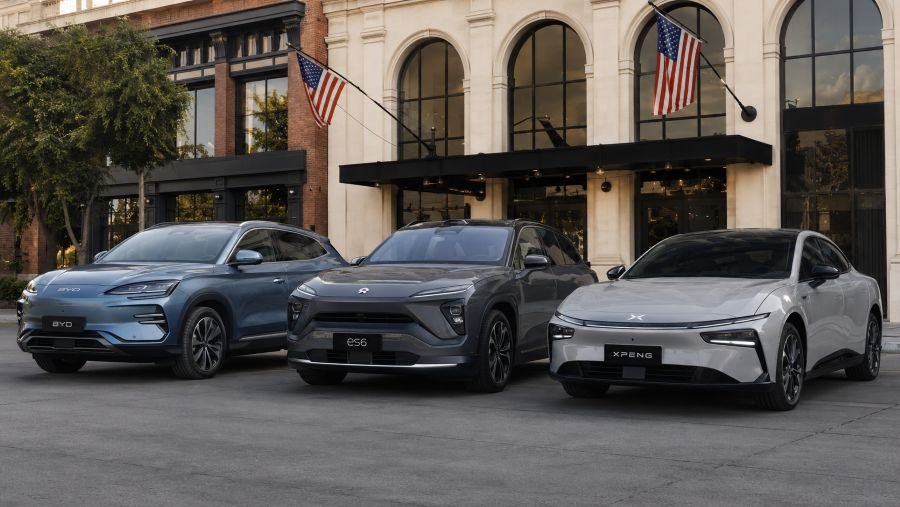
The Chinese electric vehicle market has revolutionized the automotive industry, offering innovative designs, cutting-edge battery technology, and competitive pricing that rivals established Western manufacturers. Brands like BYD, NIO, XPeng, and Li Auto have captured the imagination of global automotive enthusiasts. However, importing these vehicles to the United States presents a unique set of challenges, regulatory hurdles, and financial considerations that most potential buyers don’t fully understand.
This comprehensive guide explores every aspect of importing Chinese electric vehicles to the USA in 2026—from understanding current tariff policies and regulatory requirements to identifying which vehicles are practical to import and the step-by-step processes involved. Whether you’re a private collector seeking unique vehicles or a dealership exploring new business opportunities, this guide provides actionable insights to navigate this complex landscape.
Understanding the Current Tariff Landscape for Chinese EVs
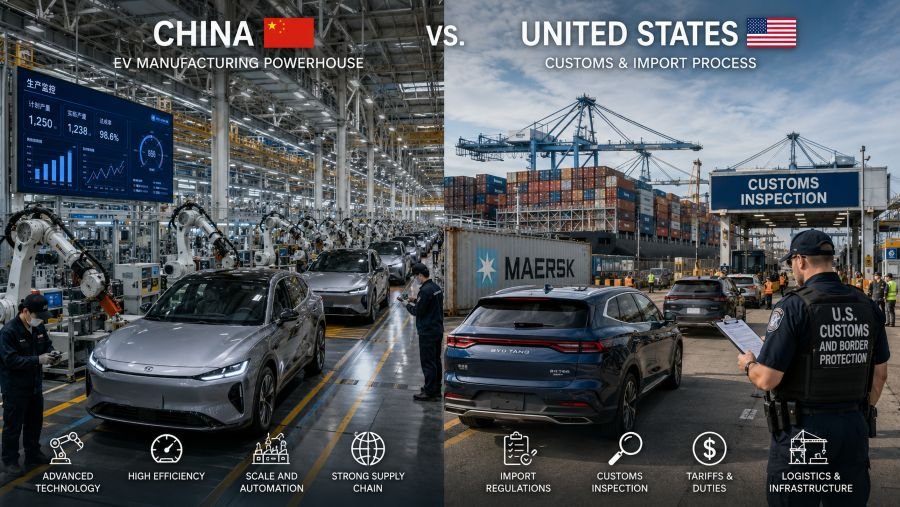
The most significant barrier to importing Chinese electric vehicles to the United States is the current tariff structure implemented by the U.S. government. As of 2026, the Biden-Harris administration and subsequent policies have maintained aggressive tariff measures targeting Chinese-manufactured vehicles and components. The base tariff rate on passenger vehicles imported from China stands at 100% under Section 301 trade measures, making direct imports economically prohibitive for most buyers.
This tariff effectively doubles the cost of any Chinese EV at the U.S. border, creating a situation where a $25,000 vehicle in China becomes a $50,000 import cost before transportation, compliance modifications, and registration fees. These tariffs were implemented to protect domestic U.S. automakers and promote domestic EV manufacturing, particularly as companies like Tesla, General Motors, and Ford transition their production lines to electric vehicles.
Beyond the base tariff rate, additional considerations include:
- Section 301 Additional Tariffs: Extra duties applied to technology components sourced from restricted suppliers, including advanced battery management systems and proprietary software.
- USMCA Compliance Costs: Vehicles must potentially meet United States-Mexico-Canada Agreement specifications, requiring documentation and potential modifications.
- State-Level Tariff Impacts: Some states have enacted additional duties on foreign EVs as part of economic development initiatives.
Practical Accessories for Imported EV Owners
Affiliate disclosure: As an Amazon Associate, Chinese Cars Asia earns from qualifying purchases. The links below may earn us a small commission at no extra cost to you.
4K Front & Rear Dash Cam
When you’ve invested heavily in a rare, hard-to-replace imported EV, a dual-channel 4K dash cam with parking mode is cheap insurance — vital evidence for claims and a deterrent against theft or vandalism.
🛒 Check Price on AmazonCordless Digital Tyre Inflator
With local parts and service support limited for imported models, self-sufficiency matters. A rechargeable inflator with an auto-stop preset keeps a heavy EV at optimal pressure, protecting both range and tyre life.
🛒 Check Price on AmazonRegulatory and Compliance Requirements for U.S. Importation
Beyond tariffs, imported vehicles must navigate a complex regulatory landscape established by multiple U.S. government agencies. The Environmental Protection Agency (EPA) and Department of Transportation (DOT) maintain rigorous standards that virtually all new Chinese EVs fail to meet in their original specifications. Understanding these requirements is essential before pursuing any import strategy.
EPA Emissions and Environmental Standards
The EPA establishes emissions standards for all vehicles sold in the United States. Chinese EVs, while producing zero tailpipe emissions, contain components—including batteries, electrical systems, and manufacturing processes—that must meet U.S. standards. Additionally, the EPA reviews the energy efficiency of batteries and charging systems according to U.S. methodologies, which differ significantly from Chinese standards.
The certification process requires:
- Emissions system certification for all vehicle systems
- Onboard Diagnostic (OBD) system compliance
- Battery and energy storage system validation
- Documentation of all component suppliers and manufacturing origins
DOT Federal Motor Vehicle Safety Standards (FMVSS)
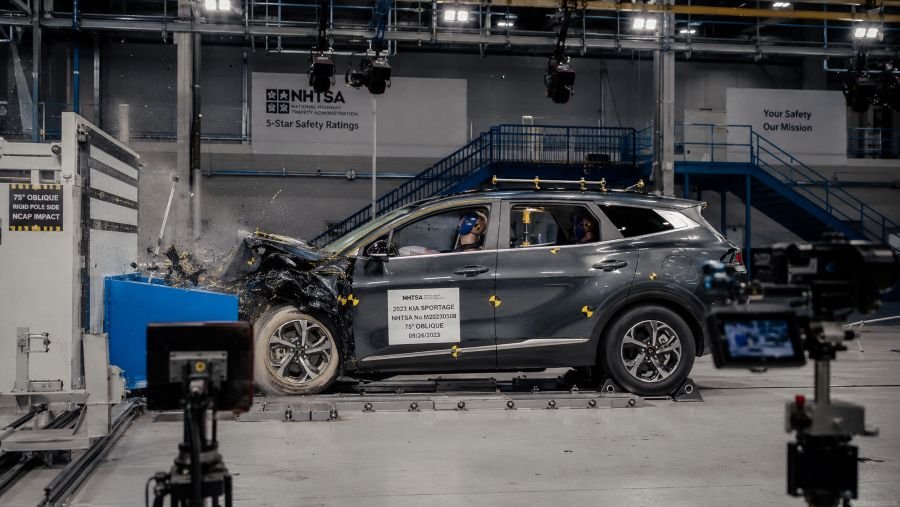
The Department of Transportation enforces FMVSS through the National Highway Traffic Safety Administration (NHTSA). These standards cover crash safety, braking systems, lighting, structural integrity, and dozens of other safety parameters. Chinese EVs, designed for Chinese driving conditions and safety standards (which differ substantially from U.S. requirements), typically require significant modifications.
Best Chinese EV Candidates for U.S. Importation
While tariffs and regulations create substantial barriers, certain vehicles and scenarios make importing Chinese EVs more feasible. Understanding which models and situations present the best opportunities is crucial for successful importation strategies.
Classic and Vintage Chinese EVs (25+ Years Old)
The most straightforward path to importing Chinese vehicles involves those manufactured before 2001. These vehicles qualify for the “antique vehicle” exemption, which exempts them from current EPA emissions standards and significantly reduces regulatory requirements. Collectors and enthusiasts have successfully imported classic Chinese vehicles, including early electric conversions and vintage models, using this pathway.
Chinese EVs from Established U.S. Manufacturers
Several Chinese automakers have established U.S. manufacturing facilities or partnerships. Vehicles produced by these companies’ U.S. operations classify as domestic vehicles and avoid tariffs entirely. Tesla, while American-founded, manufactures in Shanghai; however, their Chinese-made vehicles still face tariffs when imported to the U.S. Li Auto and NIO have announced U.S. manufacturing plans, with some facilities becoming operational in 2025-2026.
Specialized Performance and Luxury Models
High-performance and luxury Chinese EVs from manufacturers like Nio and XPeng often generate sufficient collector interest to justify the import costs. These vehicles typically feature innovative technology, distinctive designs, and performance capabilities unavailable in comparable U.S. models. Collectors willing to invest $50,000-$80,000+ can import these vehicles for personal use or as investments.
| Vehicle Category | Import Feasibility | Estimated Total Cost | Key Advantages |
|---|---|---|---|
| Classic EVs (25+ years) | ✅ High | $20,000-$40,000 | Regulatory exemption, lower tariffs |
| U.S.-Manufactured Chinese Brands | ✅ High | $35,000-$55,000 | Tariff avoidance, full compliance |
| Luxury/Performance Models | ⚠️ Moderate | $50,000-$80,000 | High demand, distinctive features |
| Mid-Range New EVs | ❌ Low | $45,000-$65,000 | 100% tariff, expensive compliance |
| Mass-Market Models | ❌ Very Low | $40,000-$60,000 | Uneconomical vs. domestic competitors |
Step-by-Step Import Process for Chinese EVs
Understanding the procedural steps involved in importing a Chinese EV increases the likelihood of successful importation. This process requires coordination with multiple agencies, careful documentation, and strategic planning.
Phase 1: Pre-Import Verification and Planning
Before committing financial resources, verify the vehicle’s importability. Contact the EPA and NHTSA to determine if the specific vehicle model qualifies for any exemptions or requires what modifications. Research the vehicle’s historical production records, manufacturing origin, and available technical specifications. This phase typically takes 2-4 weeks and should be conducted before purchase.
Phase 2: Vehicle Acquisition and Documentation
Purchase the vehicle through an authorized Chinese dealer or private seller, ensuring all original manufacturing documentation, warranty information, and technical specifications are obtained. These documents prove authenticity and production standards to U.S. authorities. Obtain a complete bill of sale and export documentation from China.
Phase 3: Customs Clearance and Tariff Assessment
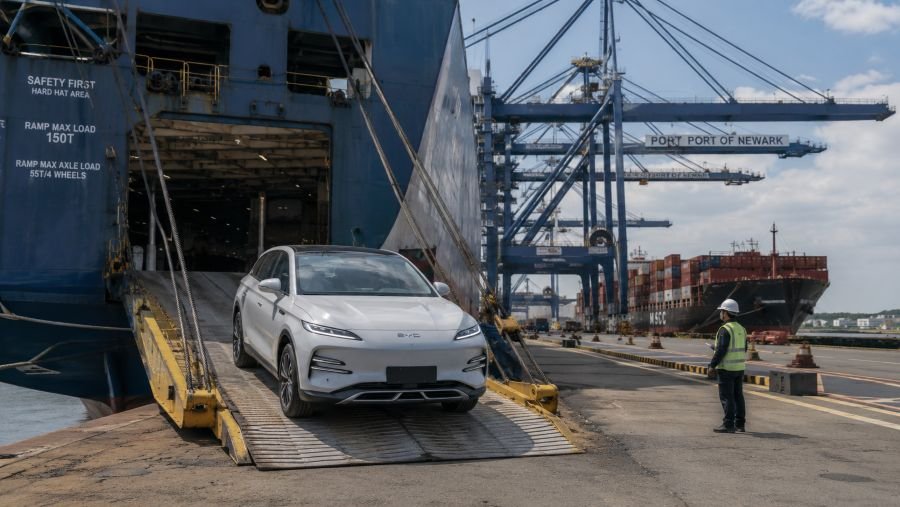
Arrange international shipping and engage a customs broker to manage the import process. The broker calculates applicable tariffs, prepares required documentation including commercial invoices and packing lists, and coordinates with U.S. Customs and Border Protection (CBP). This phase typically incurs $2,000-$3,000 in broker fees and customs documentation.
Phase 4: EPA and DOT Compliance Assessment
Submit the vehicle for inspection by qualified EPA and DOT testing facilities. These facilities evaluate the vehicle against FMVSS standards and EPA emissions requirements. For non-compliant vehicles, the testing facility provides a detailed report of required modifications, including structural, electrical, safety, and emissions system changes.
Phase 5: Compliance Modification and Testing
Engage qualified modification specialists to implement required changes. These modifications can be extensive, including brake system upgrades, lighting modifications, crash test modifications, and electrical system changes. Quality modification work typically costs $8,000-$20,000 depending on vehicle type and required changes. After modifications, the vehicle undergoes re-certification testing.
Phase 6: State Registration and Insurance
Once federal compliance is achieved, contact your state’s Department of Motor Vehicles to register the imported vehicle. Different states have varying requirements for imported vehicles, including title transfer procedures, inspection requirements, and documentation standards. Many states require proof of federal compliance before registration approval. Securing insurance coverage for imported vehicles requires specialized policies, often costing 15-25% more than comparable domestic vehicles due to parts availability and repair complexity concerns.
💡 Pro Tip: Establish relationships with experienced customs brokers and vehicle modification specialists early in your import planning. These professionals understand market nuances, can identify cost-saving opportunities, and significantly reduce the risk of costly regulatory violations.
Top Chinese EV Brands Worth Importing
Understanding the characteristics and strengths of leading Chinese EV manufacturers helps inform importation decisions. Each brand offers unique advantages and appeals to different buyer segments.
BYD: Battery Technology and Value Leadership
Build Your Dreams (BYD) dominates the global EV market by sales volume, with particular strength in battery technology development. BYD manufactures its own battery cells and packs, providing cost advantages and proprietary technology. For U.S. importers seeking advanced battery systems and cost-effective vehicles, BYD models present strong value propositions. The BYD Qin, Yuan Plus, and Song family offer diverse configurations from economy to luxury segments.
NIO: Premium Positioning and Innovation
NIO positions itself as the “Tesla of China” with premium design, advanced autonomous driving capabilities, and innovative battery-swapping technology. NIO vehicles appeal to wealthy collectors and enthusiasts seeking distinctive, technologically advanced vehicles. The ET5, EC6, and ES8 models have garnered significant international attention. NIO’s recent announcements regarding U.S. market entry make their vehicles increasingly relevant for American import consideration.
XPeng: Performance and Technology Leadership
XPeng emphasizes performance engineering and autonomous driving technology, positioning its vehicles as tech-forward alternatives to traditional luxury manufacturers. The G9 SUV and P7+ sedan have achieved critical acclaim for innovative features, responsive handling, and competitive pricing. XPeng’s focus on performance characteristics and advanced software appeals to American enthusiasts familiar with premium EVs.
Li Auto: Extended-Range EV Leadership
Li Auto specializes in extended-range electric vehicles (EREVs), combining traditional combustion engines with electric powertrains for maximum flexibility. While technically hybrids rather than pure EVs, Li Auto vehicles offer practical solutions addressing range anxiety concerns. Models like the Li Auto ONE and Plus appeal to practical buyers seeking maximum versatility.
⚠️ Important Note: Chinese EV brands maintain different software architectures, charging standards, and support structures compared to American EVs. Imported vehicles may not integrate seamlessly with U.S. charging networks and cloud services without significant modifications. Verify compatibility before importation.
Financial Analysis: Total Cost of Importation
Comprehensive cost analysis is essential for informed importation decisions. Understanding all associated expenses helps determine whether importation makes economic sense compared to purchasing comparable domestic EVs.
| Cost Category | Typical Range | Notes |
|---|---|---|
| Vehicle Purchase Price | $20,000-$50,000 | Varies by brand, model, and condition |
| International Shipping | $2,000-$4,000 | Ocean freight from Chinese ports |
| Tariffs (100% rate) | $20,000-$50,000 | Percentage of FOB vehicle value |
| Customs Broker & Documentation | $2,000-$3,000 | Professional customs clearance services |
| EPA/DOT Inspections | $1,500-$3,000 | Federal compliance testing |
| Compliance Modifications | $5,000-$20,000 | Depends on required system changes |
| Registration & Title Transfer | $500-$2,000 | Varies by state regulations |
| Insurance (Annual) | $1,500-$2,500 | Premium for imported vehicles |
| TOTAL ESTIMATED | $52,500-$134,500 | For typical mid-range model |
This analysis reveals the significant financial barrier to importing most Chinese EVs commercially. For a vehicle originally priced at $30,000, total importation costs reach $75,000-$95,000, making it uncompetitive with comparable U.S.-manufactured EVs available at $40,000-$60,000. However, for specialty vehicles, collectors, and situations where U.S. alternatives don’t exist, importation costs become justifiable.
Strategic Opportunities: Future Scenarios for Chinese EV Imports
While current tariffs create barriers, several scenarios could shift the importation landscape. Monitoring these developments helps identify future opportunities for more economical Chinese EV importation to the United States.
U.S. Manufacturing Expansion by Chinese Brands
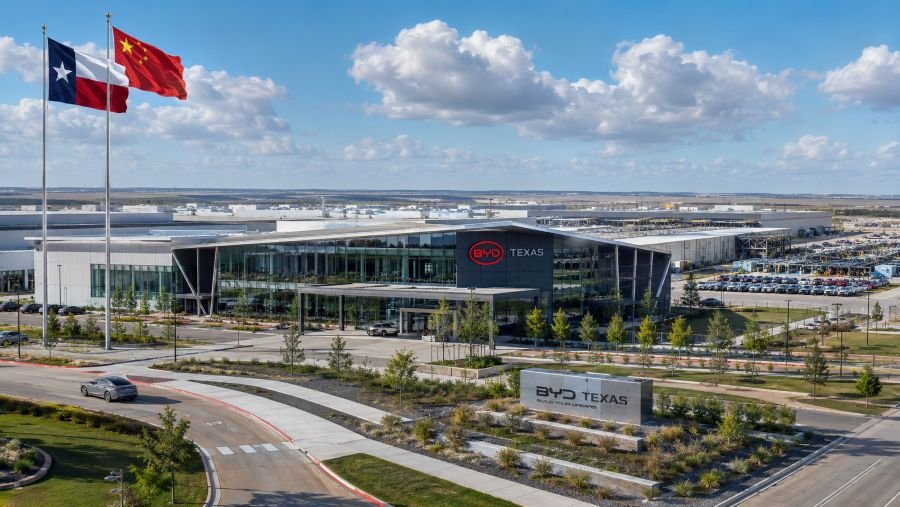
NIO, XPeng, Li Auto, and other Chinese manufacturers have announced or implemented U.S. manufacturing plans. As these production facilities ramp up, vehicles manufactured domestically will be tariff-exempt and fully compliant with U.S. standards. Watch for manufacturing announcements in Texas, Arizona, and the American South, where several brands have identified production locations.
Tariff Policy Modifications
Trade policy remains subject to political and economic shifts. Changes in U.S.-China trade relations, domestic EV market saturation, or international trade agreements could modify tariff structures. Strategic importers monitor policy developments and Congressional discussions about EV tariffs and international trade relationships.
Used Vehicle Importation Opportunities
A potential growth area involves importing used Chinese EVs after their initial China market lifecycle. Vehicles with 50,000-100,000 miles sold at significant discounts in China could be refurbished and imported to the U.S. market, where the extended warranty period and newer technology potentially justify importation costs.
FAQ: Importing Chinese Electric Vehicles to the USA
Can I legally import a Chinese EV to the USA?
Yes, you can legally import a Chinese electric vehicle to the USA, but compliance is complex. The vehicle must meet EPA emissions standards, DOT safety standards, and state registration requirements. Vehicles 25+ years old qualify for antique vehicle exemptions. Most new Chinese EVs require significant modifications to achieve compliance. Working with experienced customs brokers and modification specialists significantly increases success rates.
What are the current tariffs on Chinese EVs in the USA?
As of 2026, U.S. tariffs on Chinese-manufactured vehicles stand at 100% under Section 301 trade measures. This tariff effectively doubles the cost of any Chinese EV at importation. Additional duties may apply for specific components or suppliers classified as restricted. These aggressive tariffs were implemented to protect domestic U.S. automakers and encourage domestic EV manufacturing capacity.
Which Chinese EVs are easiest to import to the USA?
The easiest vehicles to import are: (1) classic vehicles 25+ years old qualifying for antique exemptions, (2) vehicles manufactured by Chinese companies with U.S. production facilities, and (3) specialty/performance models where U.S. alternatives don’t exist. Mass-market Chinese EVs face the highest regulatory and financial barriers.
How much does it cost to import a Chinese EV to the USA?
Total importation costs typically range from $50,000 to $130,000, including vehicle purchase, shipping, 100% tariffs, compliance modifications, registration, and insurance. For most mid-range vehicles, total costs exceed the price of comparable U.S.-manufactured EVs, making commercial importation uneconomical except for specialty applications.
What safety and emissions standards must imported Chinese EVs meet?
Imported vehicles must meet FMVSS (Federal Motor Vehicle Safety Standards) covering crash safety, braking, lighting, and structural integrity, plus EPA emissions standards and energy efficiency requirements. Most new Chinese EVs require structural modifications, electrical system upgrades, and extensive testing to achieve U.S. compliance.
Can I legally drive an imported Chinese EV in the USA?
Yes, once the vehicle meets all federal and state compliance requirements. After EPA/DOT approval, you must register the vehicle with your state DMV, pass state inspections, obtain title transfer, and secure appropriate insurance coverage. Different states have varying additional requirements, so verify your state’s specific procedures.
How long does the importation process typically take?
The complete importation process typically requires 4-8 months from initial vehicle selection to final registration. This timeline includes pre-import verification (2-4 weeks), vehicle acquisition and shipping (4-6 weeks), customs clearance (1-2 weeks), EPA/DOT inspections (2-4 weeks), compliance modifications if needed (4-8 weeks), and state registration (1-2 weeks). Complications or failed inspections significantly extend timelines.
Are there financing options for imported Chinese EVs?
Financing imported vehicles presents challenges, as traditional lenders view non-compliance vehicles as high-risk. Specialized import vehicle lenders exist but typically require 25-30% down payments and charge higher interest rates. Some collectors finance through international trade finance institutions familiar with vehicle imports.
What modifications do Chinese EVs typically require for U.S. compliance?
Common modifications include: brake system upgrades to meet U.S. standards, lighting system modifications for DOT compliance, crash test reinforcements, electrical system modifications, OBD system reprogramming, and sometimes suspension or chassis modifications. Modification requirements vary significantly by vehicle model and manufacturing year.
Is importing a classic Chinese EV easier than a new model?
Yes, significantly easier. Vehicles 25+ years old qualify for antique vehicle exemptions reducing EPA and DOT requirements substantially. These vehicles face lower tariffs (based on historical rates), less rigorous safety testing, and simpler modification processes. Classic vehicle enthusiasts frequently import Chinese vehicles using this pathway.
Conclusion: Strategic Decision-Making for Chinese EV Importation
Importing Chinese electric vehicles to the United States represents a complex undertaking requiring comprehensive understanding of regulatory environments, financial implications, and strategic opportunities. While 100% tariffs and rigorous compliance standards create substantial barriers for most commercial applications, legitimate pathways exist for collectors, enthusiasts, and specialized use cases willing to invest the necessary resources.
The most promising opportunities in 2026 involve: (1) classic and vintage Chinese EVs benefiting from antique vehicle exemptions, (2) vehicles manufactured by Chinese companies’ U.S. operations avoiding tariff penalties, and (3) luxury or performance models appealing to affluent collectors seeking unique vehicles unavailable domestically. Monitoring developments in U.S. manufacturing expansion by Chinese automakers and evolving trade policy creates potential for future opportunities.
For individuals seriously considering Chinese EV importation, engage experienced customs brokers and modification specialists early, conduct thorough pre-import feasibility analysis, and maintain realistic expectations regarding total costs and timelines. As the global EV market evolves and Chinese-American automotive relationships develop, the landscape for importing these innovative vehicles will continue to transform, potentially creating new opportunities for American consumers and businesses.
Affiliate disclosure: As an Amazon Associate, Chinese Cars Asia earns from qualifying purchases. Some links in this article are affiliate links, and we may earn a small commission at no additional cost to you. This never affects our editorial independence or recommendations.