Xiaomi SU7 vs Tesla Model 3 2026: Full Specs, Price & Performance Showdown
The electric sedan war just got far more interesting. For years the Tesla Model 3 set the benchmark that every rival was measured against, but the 2026 Xiaomi SU7 has arrived with a refreshed platform, headline-grabbing range numbers, and a price that undercuts Tesla in its home market. Suddenly the established champion has a genuine challenger built by a tech giant that knows software better than almost anyone.
In this detailed Xiaomi SU7 vs Tesla Model 3 comparison, we break down price, range, charging speed, power, technology, and everyday practicality so you can see exactly where each car wins. Whether you care about raw acceleration, real-world range, or long-term value, this showdown gives you the full picture before you decide.
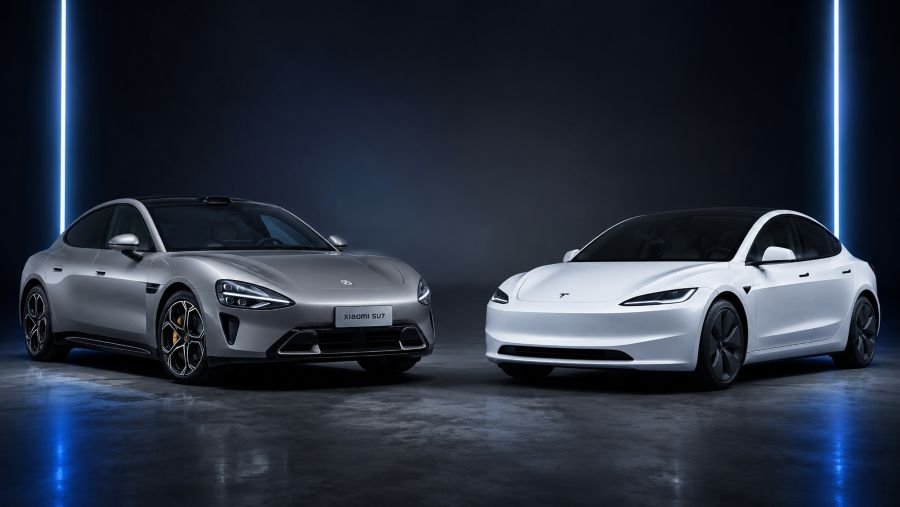
Electric sedans rarely generate this much debate, yet the rivalry between Xiaomi and Tesla has captured attention well beyond China. The original SU7 stunned the industry by selling hundreds of thousands of units in its first two years, and the 2026 refresh sharpens nearly every weakness the first car had. Meanwhile, Tesla quietly reintroduced a cheaper Model 3 Standard trim, keeping its compact sedan competitive almost a decade after launch. To understand why this matchup matters, you need to look at how far each company has pushed its hardware and software in the latest cycle.
Before we dive into the detailed numbers, the short video below gives you a quick visual overview of how the Xiaomi SU7 vs Tesla Model 3 battle stacks up across price, range, and performance. Watch it first, then read on for the full breakdown and spec tables.
As the video highlights, the gap between these two electric sedans is far tighter than the headline range figures suggest. The sections below explain exactly where each car pulls ahead, starting with how both models were rebuilt for 2026.
The 2026 Reboot: Why This Comparison Matters Now
Both cars enter 2026 stronger than ever, but they got there in very different ways. Xiaomi rebuilt the SU7 around a high-voltage 800V-class platform, added standard LiDAR across the entire lineup, and squeezed out range figures that would have seemed impossible a few years ago. The company leaned into its identity as a consumer-electronics powerhouse, treating the car as another device in its ecosystem rather than a traditional automobile.
Tesla took the opposite route. Instead of reinventing the Model 3, it refined the proven Highland design, trimmed the entry price by bringing back a cheaper Standard trim, and continued to rely on its single biggest advantage: the global Supercharger network. The result is a contest between a feature-packed newcomer that throws everything at the spec sheet and a battle-tested veteran that wins on ecosystem maturity and availability. That contrast runs through every category below.
Price & Trim Breakdown
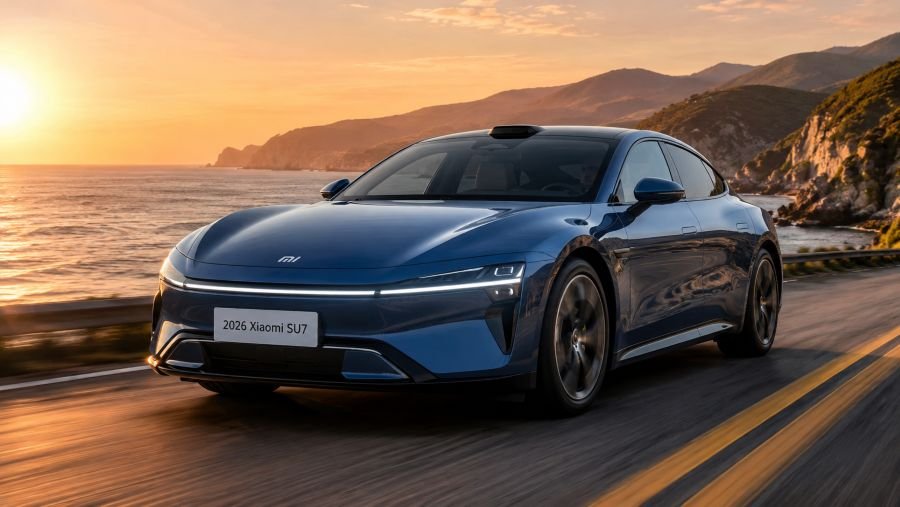
Price is where this comparison gets complicated, because the two cars are sold in different primary markets with different pricing logic. The SU7 is positioned aggressively in China, while the Model 3 is priced for the US and global markets. Still, the pattern is clear: Xiaomi consistently undercuts Tesla at almost every equivalent tier.
Xiaomi SU7 Pricing
The 2026 SU7 launches in three trims. The Standard starts at 219,900 yuan (roughly $31,900), the Pro sits at 249,900 yuan, and the dual-motor Max tops the range at 303,900 yuan (around $42,000). Even after a modest price rise over the previous generation, Xiaomi still launched the new SU7 below the entry-level Tesla Model 3 in China, a fact the company was happy to highlight.
Tesla Model 3 Pricing
In the United States, the 2026 Model 3 returns with a more affordable Standard trim near $36,990, followed by the Premium RWD around $42,490, the Premium AWD near $47,490, and the range-topping Performance AWD at roughly $54,990. Reintroducing the cheaper Standard dropped the cost of entry by close to $6,000, making the Model 3 one of the most accessible electric sedans on the US market once again.
Range & Charging: The Real Battlefield
Range is the headline most buyers fixate on, and on paper the SU7 looks unbeatable. The Standard delivers up to 720 km, the Pro a remarkable 902 km, and the Max 835 km. The Tesla Model 3 counters with up to 363 miles (about 584 km) on the Premium RWD, with the Standard near 321 miles and the Performance around 309 miles. At first glance, the SU7 appears to crush its rival, but there is an important catch that changes everything.
💡 Pro Tip: Never compare CLTC and EPA range numbers directly. China’s CLTC cycle is far more optimistic than the US EPA standard, often by 25-35 percent. The SU7’s 902 km CLTC figure translates to a real-world range much closer to the Model 3’s 363 EPA miles than the headline gap suggests. Always adjust for the test cycle before judging which car truly goes farther.
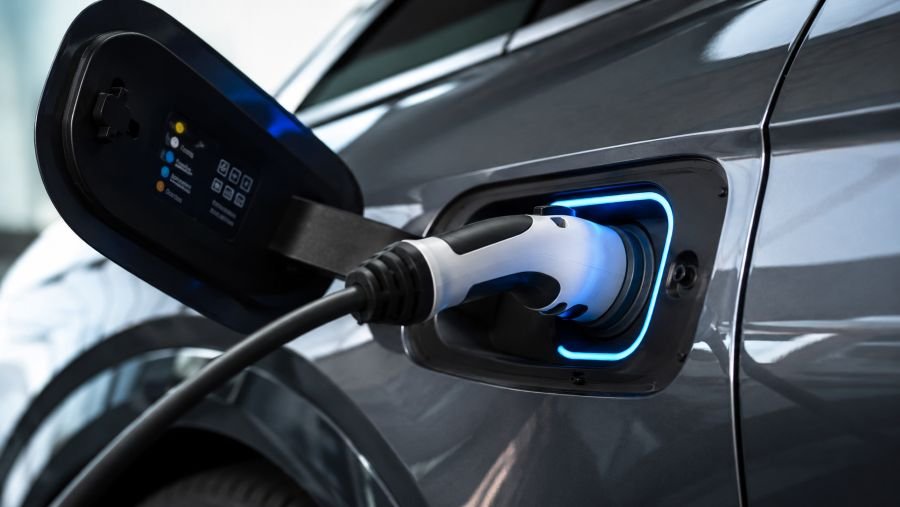
Charging tells a clearer story. The SU7 Max rides on an 800V-class architecture with 5C fast charging, allowing a 10-80 percent top-up in around 12 minutes and adding up to 670 km in a 15-minute stop. The Tesla Model 3 still uses a 400V system that peaks near 250 kW on a Supercharger, which is slower on raw numbers. However, Tesla’s charging network is mature, reliable, and widely available, while ultra-fast charging for the SU7 depends heavily on the right infrastructure being nearby.
Performance & Powertrain
Both cars offer a clear performance ladder, from sensible commuter to genuine sports-sedan territory. Xiaomi’s new HyperEngine V6s Plus motor spins up to 22,000 rpm and powers every trim, while Tesla relies on its well-developed dual-motor setup at the top of the range.
Key Performance Highlights
- Xiaomi SU7 Standard/Pro: Single rear motor with 235 kW (320 PS), 0-100 km/h in roughly 5.3-5.7 seconds, top speed around 240 km/h.
- Xiaomi SU7 Max: Dual motors producing 508 kW (690 PS) and 866 Nm, 0-100 km/h in about 3.1 seconds, top speed near 265 km/h.
- Tesla Model 3 Standard/Premium RWD: 0-60 mph in 4.9-5.8 seconds depending on trim, top speed around 125 mph (201 km/h).
- Tesla Model 3 Performance AWD: 0-60 mph in roughly 2.9-3.0 seconds, top speed up to 163 mph (262 km/h).
The takeaway is that the two range-toppers are remarkably evenly matched. The SU7 Max and Model 3 Performance trade blows on acceleration and top speed, while the entry trims of both cars deliver more than enough punch for daily driving. Tesla’s chassis tuning still feels more polished and engaging to many reviewers, but Xiaomi’s dual-chamber air suspension with continuous damping control, now standard across the lineup, narrows that gap considerably.
Head-to-Head Specs Comparison
To make the differences easy to scan, the table below lines up the most popular trims side by side. Where appropriate, we note the test cycle used so you can interpret the range figures fairly.
| Specification | Xiaomi SU7 (2026) | Tesla Model 3 (2026) |
|---|---|---|
| Starting Price | ~219,900 yuan (~$31,900) | ~$36,990 |
| Top Range (claimed) | 902 km (CLTC, Pro) | 363 mi / ~584 km (EPA, Premium RWD) |
| Max Power | 508 kW / 690 PS (Max) | Not officially stated (Performance) |
| 0-100 km/h (best) | ~3.1 sec (Max) | ~2.9-3.0 sec (Performance) |
| Top Speed (best) | 265 km/h (Max) | 263 km/h / 163 mph (Performance) |
| Architecture | 800V-class (up to 897V) | 400V |
| 10-80% Charge | ~12 minutes (Max) | Longer; peaks ~250 kW |
| Driver Assist Hardware | Standard LiDAR + NVIDIA Thor-U | Vision-only, 8 cameras |
| Main Availability | China | Global |
Technology, Software & Driver Assistance
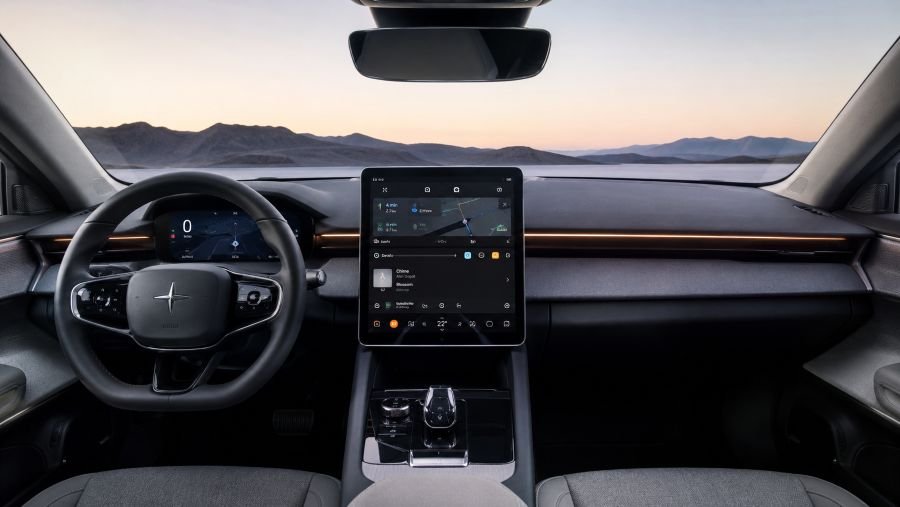
This is arguably the most fascinating battleground, because it pits two software-first companies against each other. Xiaomi equips every 2026 SU7 with LiDAR, 4D millimeter-wave radar, and the NVIDIA Thor-U platform delivering 700 TOPS of compute, all feeding its Xiaomi HAD driver-assistance system. The cabin runs HyperOS, the same ecosystem found in Xiaomi phones and smart-home gear, which makes the car feel like a seamless extension of the brand’s wider device family.
Tesla takes a famously different stance. It rejects LiDAR entirely in favor of a vision-only approach built on eight cameras and its in-house neural networks, with Full Self-Driving (Supervised) offered as a paid upgrade. Tesla’s software remains mature, frequently updated, and backed by years of fleet data, whereas Xiaomi’s hardware advantage is newer and still proving itself at scale. For buyers, the choice comes down to whether you trust raw sensor hardware or a refined, data-rich software track record.
⚠️ Important Note: The Xiaomi SU7 is not officially available in the United States, Europe, or Australia as of 2026. If you live outside China, the Tesla Model 3 remains the realistic purchase, with full warranty coverage, parts, and service support. Always confirm local availability, import rules, and after-sales support before setting your heart on a Chinese EV that may not yet be sold in your region.
Interior, Comfort & Practicality
Inside, both cars chase a minimalist, screen-led aesthetic, but they express it differently. The SU7 leans into luxury with real leather, soft-touch surfaces, a large 16.1-inch central display, and a head-up display, along with seats designed to recline far enough for genuine rest. Xiaomi clearly wants the cabin to feel like a premium lounge stacked with technology.
The Model 3 takes a cleaner, more austere approach. A single 15.4-inch touchscreen controls nearly everything, and physical buttons are almost entirely absent, which divides opinion among reviewers. What the Tesla does exceptionally well is packaging: a deep trunk, a useful frunk, and folding rear seats give it surprising cargo flexibility for a compact sedan. Both cars seat five comfortably, but the SU7 feels more lavish while the Model 3 feels more purposeful and space-efficient.
Which One Should You Buy?
The honest answer depends almost entirely on where you live and what you value. If you are in China and want maximum technology, range, and luxury for the money, the SU7 is an outstanding package that genuinely undercuts Tesla while matching or beating it on raw specs. The Pro trim, in particular, offers a compelling blend of long range and strong value that is hard to ignore.
If you live in North America, Europe, or Australia, the decision is far simpler. The Tesla Model 3 is available, serviceable, and backed by a charging network that no rival can yet match. Its software maturity and resale strength make it the safer long-term choice for most buyers outside China. The SU7 may win the spec sheet, but the Model 3 still wins the practical ownership experience in most of the world.
FAQ: Xiaomi SU7 vs Tesla Model 3
Is the Xiaomi SU7 faster than the Tesla Model 3?
The top Xiaomi SU7 Max reaches 0-100 km/h in around 3.1 seconds, edging out the Tesla Model 3 Performance, which does 0-60 mph in about 2.9-3.0 seconds. At the base level the two are closely matched at roughly 5.3-5.8 seconds, so the winner depends entirely on the trim you compare.
Which has more range, the SU7 or the Model 3?
On paper the SU7 Pro claims up to 902 km, but that figure uses China’s optimistic CLTC cycle. The Tesla Model 3 Premium RWD is rated up to 363 miles (about 584 km) on the stricter US EPA cycle. After adjusting for the test standard, real-world range between the two is much closer than the raw numbers suggest.
Can I buy the Xiaomi SU7 in the United States?
As of 2026 the Xiaomi SU7 is not officially sold in the US, Europe, or Australia. It is mainly available in China, with limited expansion plans for selected markets. The Tesla Model 3, by contrast, is sold and serviced widely across North America, Europe, and many other regions.
Does the Xiaomi SU7 charge faster than the Tesla Model 3?
Yes. The SU7 Max uses an 800V-class architecture and 5C charging to go from 10-80 percent in roughly 12 minutes. The Tesla Model 3 runs a 400V system and tops out near 250 kW on Superchargers, taking longer for a comparable charge, though Tesla’s network reliability is a major real-world advantage.
Final Verdict: A Genuine Rivalry Has Arrived
The 2026 Xiaomi SU7 versus Tesla Model 3 battle marks a turning point for the electric sedan segment. For the first time, Tesla faces a rival that does not merely imitate it but genuinely competes on technology, range, charging speed, and price. The SU7 dominates the spec sheet and offers extraordinary value in China, while the Model 3 retains the maturity, global availability, and charging ecosystem that still define real-world ownership. Whichever way you lean, one thing is certain: competition this fierce can only mean better, cheaper, and smarter electric cars for everyone.