Best Chinese Electric Cars in Australia 2026: Complete Guide
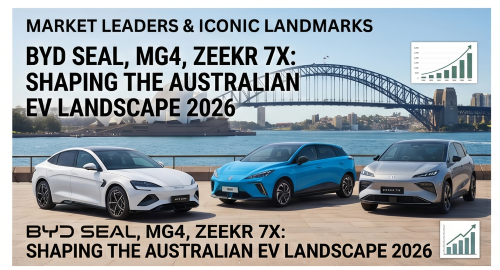
Watch the Video Summary
Prefer a quick visual overview? Watch this short video summary of the best Chinese electric cars in Australia for 2026.
The Chinese EV Market in Australia: Overview
Australian consumers have historically favored well-established brands with local service networks. The emergence of Chinese electric vehicles challenges this tradition with compelling value propositions. Chinese manufacturers offer exceptional technology, reliable engineering, and competitive pricing that established brands struggle to match.
What changed? Several factors converged. Australian government incentives for EV adoption removed barriers to alternative brands. Charging infrastructure expansion made electric vehicles practical for daily use. Chinese manufacturers established Australian subsidiaries and service networks. The technology gap that once favored Western manufacturers has largely closed.
The Australian market differs from other regions. Australians drive longer distances between cities than Europeans, making range anxiety a legitimate concern. The climate varies dramatically—tropical regions demand excellent cooling; temperate zones require capable heating. These regional requirements influence which Chinese vehicles succeed in the Australian market.
Top Chinese Electric Cars Available in Australia 2026
1. BYD Atto 3 (Yuan Plus)
The BYD Atto 3 represents the most accessible premium Chinese electric vehicle in Australia. It combines practical size (compact SUV form factor), impressive range (up to 430 km), and competitive pricing starting below AUD $45,000 for base models.
What makes the Atto 3 exceptional? The Blade battery technology represents genuine innovation—it passed puncture tests that would destroy traditional lithium batteries. Charging speed proves competitive, accepting DC fast charging that adds 200 km range in approximately 30 minutes.
Interior quality impresses for the price point. Premium materials, spacious cabin, and intuitive interface make daily driving enjoyable. The autonomous parking feature (using 360-degree cameras) proves invaluable in Australian cities. Warranty coverage—typically 5 years unlimited kilometers—provides peace of mind.
Australian owners consistently praise reliability and build quality. Service network availability through Nexus BYD dealerships across major cities ensures maintenance access. The Atto 3 became Australia’s best-selling Chinese electric vehicle in 2024, reflecting customer confidence.
2. MG4 Electric
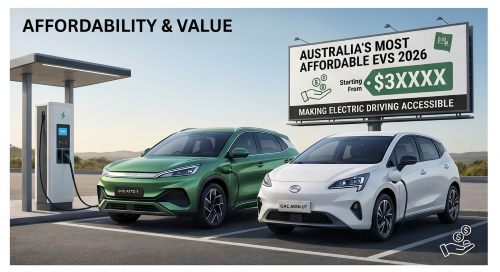
The MG4 represents the entry-level offering in Australia’s Chinese EV market. At starting prices around AUD $35,000, it delivers surprising quality and features for budget-conscious buyers.
The MG4 fills a crucial market gap. Traditional hatchbacks like VW ID.3 cost significantly more in Australia. The MG4 delivers comparable functionality at substantially lower cost. For first-time EV buyers or urban commuters, this represents exceptional value.
The interior prioritizes practicality over luxury. Materials feel adequate rather than premium, but they’re durable and easy to maintain. The 10.25-inch touchscreen delivers intuitive infotainment without unnecessary complexity. Charging compatibility works with Australian public networks.
Safety ratings meet Australian standards despite perceptions about Chinese vehicles. The MG4 achieved good ratings in ASEAN NCAP testing, demonstrating structural integrity and crash protection. Autonomous emergency braking and lane-keeping assistance come standard on higher trim levels.
3. XPeng P7 Plus
The XPeng P7 Plus targets premium sedan buyers. It positions between the BYD Atto 3 and full luxury vehicles, offering sophisticated design, advanced technology, and impressive performance at competitive pricing.
Important note: XPeng availability in Australia remains limited compared to BYD and MG. Direct ordering requires navigating international logistics, though select dealerships increasingly offer XPeng vehicles.
When available, the P7 Plus impresses Australian enthusiasts. The design—sophisticated yet modern—rivals German luxury sedans in visual appeal. LiDAR-enhanced autonomous driving capabilities exceed those in many competitors. Premium interior materials throughout create a cabin that genuinely feels luxury-class.
Performance proves satisfying. Acceleration feels powerful without aggression. Handling remains composed during spirited driving. The low center of gravity (battery pack mounted on the vehicle floor) creates dynamic balance appreciated by driving enthusiasts.
Ownership challenges in Australia relate to service network availability. XPeng authorization centers exist primarily in major cities. For rural or remote ownership, consider proximity to authorized service before purchasing.
4. BYD Song Plus DM-i
The BYD Song Plus DM-i represents a bridge technology—a plug-in hybrid electric vehicle (PHEV) that combines electric driving efficiency with traditional engine range. For Australian drivers uncertain about full-EV adoption, this provides a sensible middle ground.
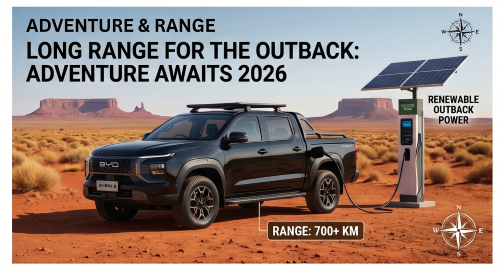
The Song Plus DM-i suits rural Australian drivers or those with long-distance commuting needs. The electric motor handles daily driving (100+ km electric range covers most commutes). The petrol engine engages for longer trips, eliminating range anxiety entirely.
Fuel consumption averages exceptionally low—often under 5 liters per 100 km during mixed driving. This efficiency reduces operational costs compared to traditional SUVs while providing flexibility that pure-electric vehicles can’t match.
Build quality matches the BYD Atto 3 standard. Interior appointments prove pleasant without excessive luxury. The learning curve for hybrid operation is minimal; the vehicle handles transitions seamlessly.
Charging Infrastructure in Australia
Charging infrastructure represents a critical consideration for EV owners. Australia’s network has expanded dramatically, but significant regional variations exist. Major metropolitan areas (Sydney, Melbourne, Brisbane) offer excellent charging coverage. Regional and rural areas remain underserved.
Key charging networks operating in Australia include:
- Tesla Supercharger: Limited access for non-Tesla vehicles; expanding compatibility planned
- Chargefox: Australia’s largest fast-charging network; open to all vehicles
- Evie: Growing network focused on fast and ultra-fast charging
- ChargePoint: Large network including AC and DC charging
- Local operators: State-based networks varying by region
Home charging proves practical for most Australian EV owners. A Level 2 home charger (installed cost approximately AUD $1,000-2,000) charges most vehicles fully overnight. For apartment dwellers or those without dedicated parking, reliance on public charging becomes necessary—factor this into your purchasing decision.
Pricing Comparison: Chinese EVs vs. Established Brands
| Vehicle Category | Chinese EV | Equivalent Western Brand | Savings |
| Compact EV Hatchback | MG4: ~$35,500 | VW ID.3: ~$48,000 | AUD $12,500 |
| Compact Electric SUV | BYD Atto 3: ~$42,000 | Tesla Model Y: ~$65,000 | AUD $23,000 |
| Premium Electric Sedan | XPeng P7: ~$55,000 | Tesla Model 3: ~$70,000 | AUD $15,000 |
| Mid-Size PHEV SUV | BYD Song Plus: ~$38,000 | BMW X3 PHEV: ~$72,000 | AUD $34,000 |
The pricing advantage favors Chinese vehicles substantially. Buyers can acquire premium-quality electric vehicles at entry-level prices or achieve maximum value at any budget point by selecting Chinese brands.
Government Incentives and Tax Benefits
Australian government EV incentives vary by state. Federal benefits include potential stamp duty exemptions and concessional taxation for electric company vehicles. Some states offer additional subsidies or charging infrastructure support.
Before purchasing, investigate state-specific incentives that may apply to your situation. These vary based on residency and vehicle price point, potentially adding thousands of dollars in savings.
Warranty and After-Sales Service
Chinese manufacturers operating in Australia typically offer comprehensive warranty packages. Standard coverage includes 5 years unlimited kilometers on most components, with battery protection extending 8 years in many cases.
Service network availability represents a critical factor. BYD operates through Nexus dealerships across major Australian cities. MG established relationships with local dealers. XPeng currently operates through select authorized dealers, primarily in metropolitan areas.
Authorized service centers employ trained technicians familiar with Chinese vehicle systems. Genuine spare parts availability through official channels ensures quality repairs. Labor costs typically match or undercut established brands.
Technology and Features Comparison
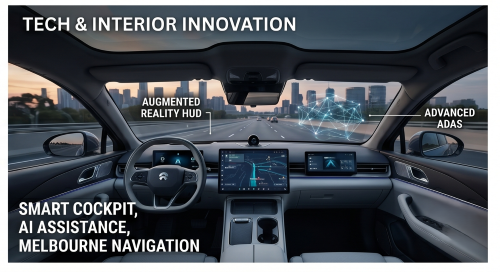
Chinese electric vehicles feature technology that often exceeds what Western brands offer at similar price points. BYD’s infotainment systems prove intuitive with logical menu structures. XPeng’s autonomous driving capabilities rival Tesla’s Autopilot in functionality.
Standard features typically include:
- Large touchscreen infotainment (8-14+ inches)
- Voice-control systems with natural language processing
- Smartphone integration (Apple CarPlay, Android Auto)
- 360-degree camera systems for parking assistance
- Advanced driver assistance systems (ADAS)
- Over-the-air software updates for continuous improvement
Over-the-air updates represent a significant advantage of Chinese vehicles. Your vehicle continuously receives software improvements without dealership visits. Features sometimes activate after purchase, providing customer delight through time-released capabilities.
Safety Ratings and Crash Testing
Modern Chinese electric vehicles perform well in independent crash testing. The BYD Atto 3 achieved commendable ratings in Euro NCAP and ASEAN NCAP testing. Build safety exceeds many Western competitors in the same price category.
Standard safety features include multiple airbags, stability control, and collision avoidance systems. Independent testing validates that Chinese vehicles protect occupants effectively in crash scenarios.
Potential buyers sometimes express concerns about Chinese vehicle safety based on historical perceptions. Modern data contradicts this bias. Current-generation Chinese EVs incorporate sophisticated crash protection systems meeting international safety standards.
Pros and Cons of Purchasing Chinese EVs in Australia
Advantages
- Exceptional value for money
- Advanced technology features
- Reliable build quality
- Competitive performance
- Practical driving range
- Growing service network
- Comprehensive warranties
- Lower operating costs
Considerations
- Less established resale value
- Limited brand recognition
- Service access in remote areas
- Fewer options in some categories
- Import/tariff uncertainties
- Software interface in Chinese
- Charging network still developing
Buying Guide: How to Purchase a Chinese EV in Australia
Long-Distance Driving Considerations
Australia’s vast distances between cities create unique EV ownership considerations. Journey planning becomes essential for interstate travel. Fortunately, expanding charging networks increasingly facilitate practical long-distance driving.
For typical trips (Sydney to Melbourne, Brisbane to Gold Coast), modern Chinese EVs provide sufficient range with strategic charging stops. Apps like PlugShare and Chargefox map charging locations, allowing route planning around available chargers.
Plug-in hybrid options (like the BYD Song Plus DM-i) eliminate range anxiety for rural driving entirely. For city-based ownership with occasional interstate trips, pure electric vehicles prove perfectly practical with minimal planning.
Resale Value Expectations
Resale values for Chinese EVs remain uncertain because the market is nascent. Established brands (Toyota, BMW) maintain strong resale values through decades of historical data. Chinese vehicles lack this historical perspective.
However, early indicators suggest resale value stabilization as confidence in Chinese vehicle quality increases. Owners of 2-3-year-old BYD Atto 3 units report better-than-expected resale experiences. This trend should continue as the market matures.
If resale value represents a critical factor, consider the total cost of ownership rather than exit value. Lower purchase prices and reduced operating costs offset potential resale disadvantages for most buyers.
Want more detailed reviews and comparisons of electric vehicles? Explore chinesecars.asia for comprehensive automotive analysis and in-depth model reviews.
Environmental Impact
Chinese electric vehicles reduce emissions as effectively as any EV. The environmental benefit depends entirely on your electricity grid’s energy sources, not the vehicle’s origin. As Australia’s renewable energy penetration increases, the environmental advantage of electric driving strengthens.
Manufacturing batteries creates environmental impact. Chinese manufacturers increasingly implement sustainable production practices. BYD leads in adopting renewable energy for battery manufacturing, reducing production-phase carbon footprint.
Final Verdict: Is a Chinese EV Right for You?
Chinese electric vehicles represent compelling choices for Australian buyers who prioritize value and technology over brand prestige. If your priorities are:
- Maximum features for the budget
- Advanced technology and automation
- Practical daily driving functionality
- Minimal long-term operating costs
Then a Chinese EV deserves serious consideration.
Consider traditional brands if you:
- Strongly value brand heritage and recognition
- Require immediate service access in remote areas
- Prioritize historical resale value data
- Prefer established support ecosystems
The Australian market for Chinese electric vehicles continues expanding. Competition increases, driving innovation and value. The vehicles available in 2026 represent the pinnacle of accessible electric vehicle technology. Whether a BYD Atto 3, MG4, or XPeng P7, you’ll acquire a reliable, capable vehicle that delivers excellent value.
Make your decision based on your specific needs, test-drive the available options, and commit to the vehicle that best aligns with your priorities. The technology gap between Chinese and Western manufacturers has closed. Your decision should reflect features, price, and ownership experience rather than outdated perceptions about Chinese quality.