MG4 vs Volkswagen ID.3: Same Price, Different World?
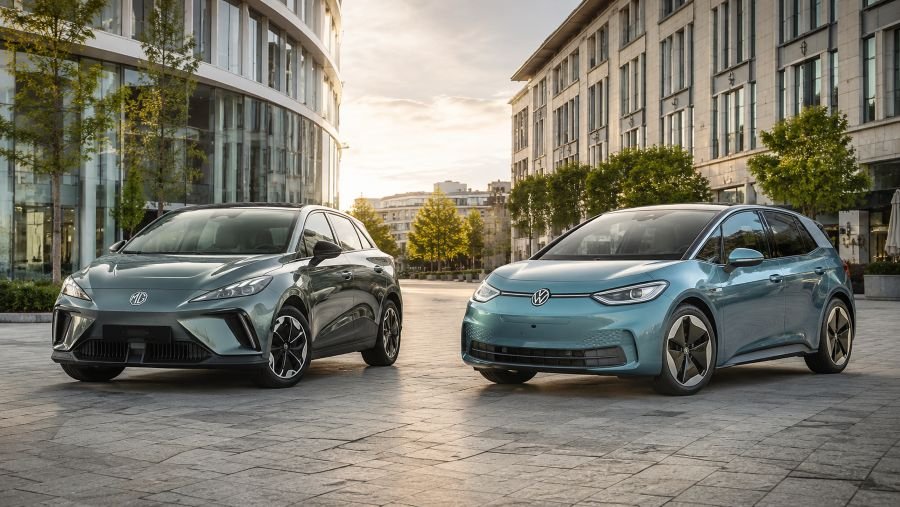
MG4 vs Volkswagen ID.3: Two affordable EV hatchbacks from different continents
Introduction: The Affordable EV Hatchback Revolution
The affordable electric hatchback segment is where the EV revolution truly matters. While luxury electric cars make headlines, it’s these affordable options that will actually shift millions of people away from petrol. The MG4 and Volkswagen ID.3 both target the same sweet spot: buyers who want an electric vehicle for less than $35,000 USD without sacrificing practicality or style.
Yet these two cars tell very different stories about how to achieve that goal. The MG4 represents MG Motors’ (owned by China’s SAIC) aggressive entry into the global EV market with a design-focused, feature-rich approach. The Volkswagen ID.3 shows how Volkswagen—backed by a 70-year automotive legacy—approaches electrification with engineering rigor and platform-driven reliability.
This comparison isn’t just about specs and price. It’s about two different visions of the future of affordable electric mobility. Let’s explore what makes each one special and which might be the better fit for your needs.
Specifications: The Technical Breakdown
Let’s start with the numbers. Here’s how the MG4 and Volkswagen ID.3 compare on key technical specifications:
| Specification | MG4 | Volkswagen ID.3 |
|---|---|---|
| Battery Options | 50 kWh / 64 kWh | 45 kWh / 62 kWh / 77 kWh (Standard/Plus/Max) |
| Electric Range (WLTP/EPA) | 350-430 km | 330-580 km depending on variant |
| Power Output | 125 kW (standard) / 150 kW (optional) | 110 kW / 150 kW (later models) |
| 0-100 km/h (Seconds) | 7.9s / 7.4s | 8.5s / 7.3s |
| DC Fast Charging (10-80%) | 30 minutes (150 kW charger) | 38 minutes (150 kW charger) |
| Starting Price (USD) | $23,000 – $28,000 | $38,000 – $48,000 |
| Vehicle Length | 4,292 mm | 4,261 mm |
| Curb Weight | 1,345 kg (50 kWh) | 1,650 kg (62 kWh) |
| Warranty (Battery) | 8 years / 120,000 km | 8 years / 160,000 km |
Design Philosophy: Form Follows Strategy
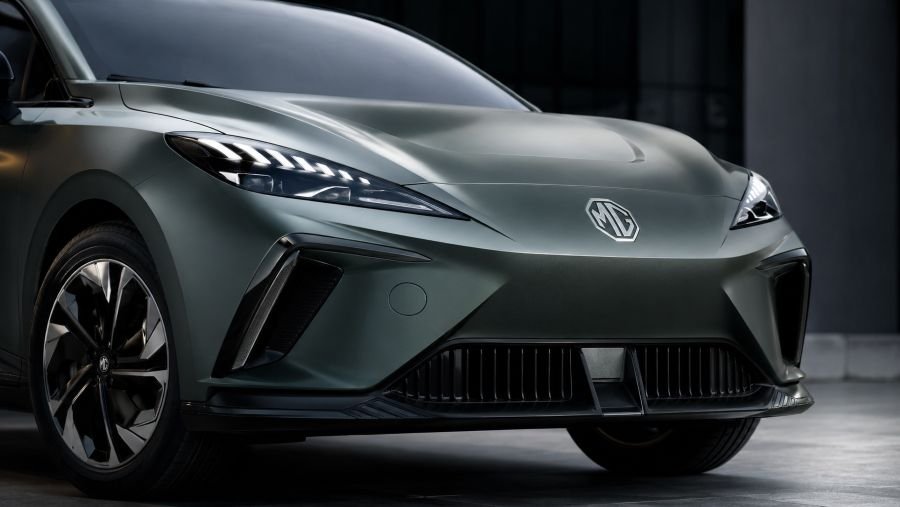
MG4: Bold, youthful design with sharp LED styling
How a car looks tells you a lot about its maker’s values. Let’s examine what the MG4 and ID.3 designs reveal:
MG4 Design: Young, Bold, Confident
The MG4 adopts a design philosophy that screams youthful confidence. The front end features a distinctive split grille design with a horizontal LED light bar, large wheel arches that suggest performance, and a low, wide stance. The side profile is athletic—short overhangs, a rising waistline, and a coupe-like roofline that makes the hatchback feel like a sporty sedan.
Inside, the MG4 prioritizes functionality over luxury. A large central touchscreen (10.25 inches on higher trims), simple dashboard layout, and practical storage solutions appeal to younger, tech-savvy buyers. The interior feels modern and minimalist, with soft-touch materials on the steering wheel and dashboard.
Volkswagen ID.3 Design: Refined, Understated, Premium
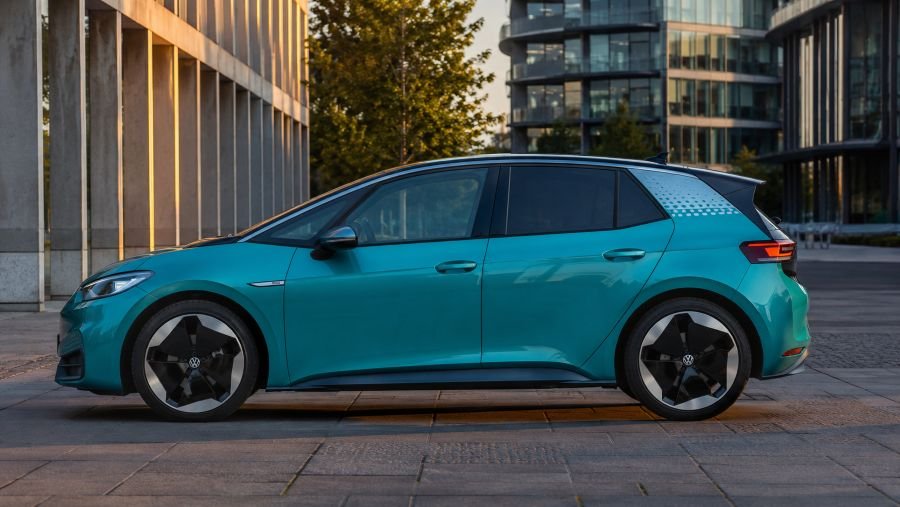
Volkswagen ID.3: Sophisticated design with clean European proportions
The Volkswagen ID.3 takes a more conservative approach. It’s based on VW’s MEB platform and designed by teams across the globe to appeal to a broad audience. The result is a car that looks intentionally understated—not flashy, but quietly premium. The front end features a closed grille (as all EVs do) with Volkswagen’s distinctive horizontal lines. The side profile is more traditional hatchback: slightly taller, more upright, with a emphasis on spaciousness over sportiness.
The interior is where VW’s premium positioning shines. High-quality materials, a well-designed dashboard with excellent ergonomics, a large (up to 13-inch) touchscreen with VW’s latest software, and thoughtful storage make the ID.3 feel like a proper modern hatchback, not a budget EV compromise.
Design Winner: Context Matters
If you want a car that turns heads and makes a statement, the MG4 wins. If you prefer understated sophistication and premium materials, the ID.3 is superior. The MG4 appeals to younger buyers and those who want visual impact. The ID.3 appeals to those who value refinement and timeless design.
Performance: Real-World Driving Dynamics
Acceleration and Power
The MG4 with its 150 kW motor (optional on the base model) delivers quicker acceleration (7.4 seconds, 0-100 km/h) than the standard Volkswagen ID.3 (8.5 seconds). However, VW’s newer 150 kW version narrows this gap to 7.3 seconds. For daily driving, both feel adequately responsive. The MG4 has a slight edge for enthusiasts.
Handling and Comfort
The MG4’s lighter weight (1,345 kg vs. 1,650 kg) and sportier suspension setup make it more agile and fun in corners. It feels nimble, especially in city driving where its compact dimensions (4,292 mm vs. 4,261 mm for the ID.3, almost identical) really shine. The steering feels direct and responsive.
The Volkswagen ID.3 prioritizes comfort over sportiness. Its heavier weight and softer suspension tune create a more “floating” driving experience, ideal for highway cruising and long distances. The ride is smooth and composed, though less engaging for spirited driving.
Range and Charging: The Practical Difference
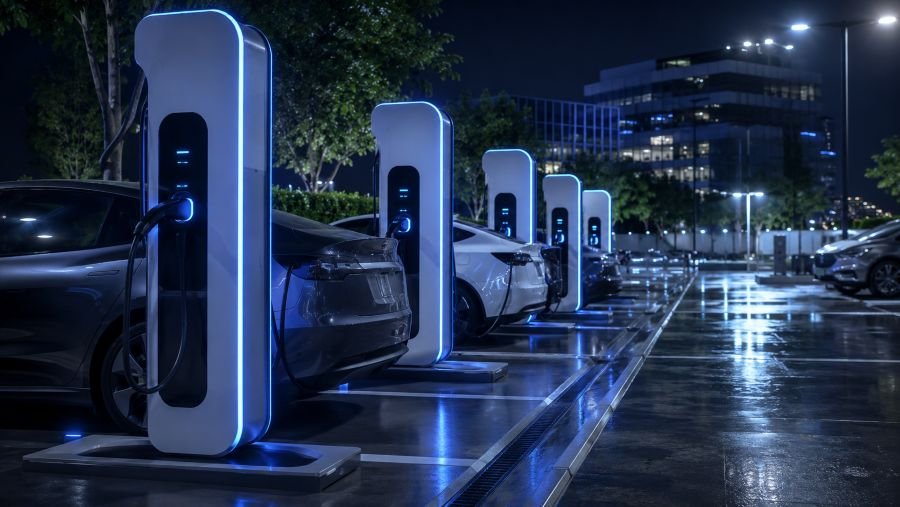
Charging infrastructure: Both vehicles support mainstream charging networks
For hatchback buyers, range is less critical than for sedan buyers, but it still matters—especially for weekend getaways.
MG4 Range
The MG4 offers two battery options:
- 50 kWh: ~350 km WLTP (~280 km real-world)
- 64 kWh: ~430 km WLTP (~340 km real-world)
Volkswagen ID.3 Range
The Volkswagen ID.3 offers three battery options:
- 45 kWh: ~330 km WLTP (~260 km real-world)
- 62 kWh: ~490 km WLTP (~390 km real-world)
- 77 kWh: ~580 km WLTP (~460 km real-world)
The ID.3 offers more range flexibility, with the 77 kWh option providing excellent highway capability. The MG4’s top 64 kWh option is competitive with the ID.3’s 62 kWh variant for real-world driving.
Charging Speed
Here’s where the MG4 has a clear advantage. It reaches 80% charge in ~30 minutes with a 150 kW charger. The ID.3 takes approximately 38 minutes. This 8-minute difference adds up on long road trips, making the MG4 slightly more convenient for frequent fast chargers.
Technology and Infotainment: The Digital Experience
MG4 Technology
The MG4 features MG’s latest iSmart infotainment system with a 10.25-inch touchscreen (optional larger 12.3-inch display available). It supports smartphone integration, voice commands, and over-the-air (OTA) software updates. The system feels modern and responsive, though the user interface isn’t as polished as Volkswagen’s.
Volkswagen ID.3 Technology
Volkswagen’s ID.3 comes with an 8-inch touchscreen standard (upgraded to 13-inch on higher trims), displaying Volkswagen’s latest ID. software platform. The interface is intuitive, polished, and features excellent voice control, seamless smartphone integration, and strong cloud connectivity. The system feels more refined and is generally easier to navigate than the MG4’s.
Safety and Reliability: Building Trust
MG4 Safety
The MG4 has achieved respectable safety ratings in independent testing, though results vary by market. The car includes standard ABS, stability control, and optional ADAS features like adaptive cruise control. However, real-world crash test data is still accumulating in some markets.
Volkswagen ID.3 Safety
The ID.3 achieved excellent Euro NCAP safety ratings (5 stars with 89% Adult Occupant score). It comes standard with comprehensive ADAS including autonomous emergency braking, lane-keeping assist, and blind-spot monitoring. VW’s decades of safety engineering experience is evident.
Warranty Comparison
| Warranty Type | MG4 | Volkswagen ID.3 |
|---|---|---|
| General Warranty | 6 years / 150,000 km | 3 years / 100,000 km (varies by region) |
| Battery Warranty | 8 years / 120,000 km | 8 years / 160,000 km |
| Drivetrain Warranty | 6 years / 150,000 km | 3 years / 100,000 km |
The MG4’s 6-year general warranty is notably better than the ID.3’s 3-year warranty in most markets, partially offsetting the lower purchase price.
Pricing and Value: Where the Rubber Meets the Road
💰 MG4 Pricing (Entry-Level Markets)
Standard (50 kWh): $23,000
Standard Plus (64 kWh): $26,500
Comfort (64 kWh): $28,000
Pricing competitive worldwide; excellent value
💸 Volkswagen ID.3 Pricing
Standard (45 kWh): $38,000
Standard Plus (62 kWh): $43,000
Max (77 kWh): $48,000
Premium pricing reflects brand and engineering
The price difference is substantial: you can buy approximately 1.7 MG4s for the price of one entry-level ID.3. This makes the MG4 extraordinarily attractive for budget-conscious buyers, while the ID.3 remains a premium option that justifies its cost through brand reputation, engineering, and long-term reliability.
For value-for-money, the MG4 is nearly unbeatable. For those who prioritize brand heritage, warranty, and premium refinement, the ID.3 offers compelling justification for its higher cost.
Interior Space and Practicality
Both are hatchbacks, so practicality is important. Here’s how they compare:
| Feature | MG4 | Volkswagen ID.3 |
|---|---|---|
| Cargo Space | 350 liters (seats up) / 1,177 liters (seats down) | 267 liters (seats up) / 1,267 liters (seats down) |
| Rear Legroom | 880 mm (comfortable for adults) | 920 mm (excellent spaciousness) |
| Headroom (Front/Rear) | 1,000 mm / 980 mm | 1,050 mm / 1,010 mm |
| Storage Cubbies | Functional but minimal | Generous and well-organized |
| Climate Control | Manual (base) / Auto (higher trim) | Fully automatic dual-zone |
The Volkswagen ID.3 offers more interior refinement and rear-seat legroom. The MG4 provides slightly more cargo space with seats up, which is useful for daily shopping and trips. Both are practical hatchbacks; your preference depends on whether you prioritize space or comfort.
MG4 Pros & Cons
✓ Advantages
- Exceptional value ($23,000 starting)
- Faster DC charging (30 min to 80%)
- Sportier, more agile handling
- Modern, bold design language
- Longer general warranty (6 years)
- More cargo space (seats up)
- Quick 0-100 km/h time
✕ Disadvantages
- Less range in base variant
- Lighter construction (safety concern)
- Less premium interior materials
- Smaller warranty on battery
- Limited service network globally
- Less proven long-term reliability
- Infotainment not as polished
Volkswagen ID.3 Pros & Cons
✓ Advantages
- Premium interior materials and refinement
- Excellent safety ratings (Euro NCAP 5-star)
- More range options (up to 580 km)
- Superior rear-seat comfort
- Longer battery warranty (160,000 km)
- Polished infotainment system
- Global service network reliability
- Proven long-term reliability
✕ Disadvantages
- Significantly higher price ($38,000+)
- Slower charging (38 min to 80%)
- Less agile handling
- Conservative design styling
- Heavier (potential efficiency penalty)
- Shorter general warranty (3 years)
- Less cargo space with seats up
FAQ: Your Questions Answered
The Verdict: Which EV Hatchback Should You Buy?
Choose the MG4 if you:
- Have a limited budget and want maximum EV for your money
- Drive primarily city and suburban routes (under 300 km regularly)
- Value quick acceleration and fun handling
- Want the latest tech at an affordable price
- Prioritize warranty coverage
- Don’t mind slightly lighter materials for substantial savings
- Want a car that stands out visually
Choose the Volkswagen ID.3 if you:
- Can afford a premium and value German engineering
- Want excellent long-term reliability assurance
- Prioritize interior quality and refinement
- Regularly drive long distances (300+ km)
- Value comfort and composed highway performance
- Want the most comprehensive safety features
- Prefer understated, timeless design
- Value a strong global service network
Conclusion: Different Strategies, Both Valid
The MG4 and Volkswagen ID.3 aren’t competitors—they’re alternatives for different buyer profiles. The MG4 represents the future of affordable electric mobility: design-focused, feature-rich, and aggressively priced. It proves that you don’t need to sacrifice style or technology for affordability. The ID.3 represents the traditional approach: engineering-led, premium, and backed by a century of automotive heritage.
In many ways, comparing them at “the same price” is misleading. They’re not the same price—the MG4 is dramatically cheaper. That’s the entire point. For $23,000, you get a genuinely impressive electric hatchback from a brand that’s rapidly establishing itself globally. For $38,000+, you get VW’s promise of reliability, luxury, and engineering precision.
The real question isn’t which car is objectively “better.” It’s which car better aligns with your priorities. If affordability is paramount, the choice is obvious. If you value premium refinement and proven reliability enough to pay 65% more, the ID.3 delivers. Both are excellent hatchbacks—one just happens to cost significantly less. Which one wins depends entirely on what you’re willing to spend and what you value most in an electric car.