CATL vs BYD Battery: Which Is Better in 2026?
The battle between CATL (Contemporary Amperex Technology Co., Limited) and BYD (Build Your Dreams) dominates the global electric vehicle battery landscape. As the two largest battery manufacturers in the world, their technologies, innovations, and market strategies directly influence which vehicles consumers can purchase and what performance they can expect.
Understanding the differences between these two battery giants helps potential EV buyers make informed decisions about their next vehicle purchase. This guide compares CATL vs BYD battery technology across chemistry, performance, safety, cost, and real-world ownership.
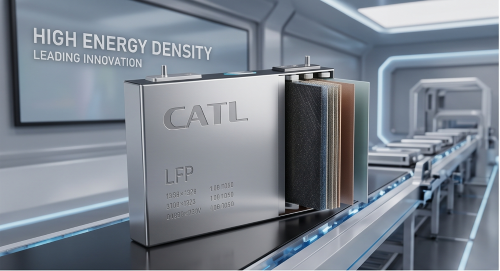
For prospective EV buyers, the badge on the bonnet often matters less than the chemistry hidden beneath the floor. The cells inside your vehicle determine its range, its charging speed, its safety profile, and ultimately its price. Below, we unpack how the world’s two battery titans differ, and which one is the better match for the way you actually drive.
Before diving into the detail, the short video below summarises the key differences between CATL and BYD batteries — covering range, charging speed, safety, cost, and everyday EV ownership.
As the clip highlights, the CATL vs BYD battery debate is not about one being universally superior, but about two different engineering philosophies that each win in specific conditions — the theme we develop throughout this comparison.
Understanding the Giants: CATL and BYD Overview
CATL and BYD represent two fundamentally different approaches to battery manufacturing and electric vehicle development. CATL operates as a pure-play battery supplier, manufacturing power cells and battery systems for numerous automotive brands worldwide. In contrast, BYD manufactures batteries primarily for its own vehicle lineup while also supplying external customers, maintaining vertical integration across the entire EV production chain.
CATL supplied approximately 35% of global EV batteries in 2026, commanding the largest market share worldwide. BYD holds the second position with significant market penetration, particularly in Chinese markets. This dominance makes their battery technology choices consequential for millions of EV owners and prospective buyers globally.
Company Structures and Market Focus
CATL’s business model emphasizes independent battery production for external partners. The company supplies Tesla, BMW, Volkswagen, Volvo, and numerous Chinese manufacturers. This arms-length supplier relationship allows CATL to remain technology-agnostic, producing both lithium iron phosphate (LFP) and nickel-based chemistries depending on customer requirements.
BYD’s integrated model combines battery manufacturing with vehicle production. The company supplies its own vehicles with priority battery allocation while also selling excess capacity to external customers. This vertical integration provides competitive advantages in supply chain control and cost optimization but sometimes creates conflicts between internal and external customer needs.
Useful Accessories for Chinese EV Owners
Affiliate disclosure: As an Amazon Associate, Chinese Cars Asia earns from qualifying purchases. The links below may earn us a small commission at no extra cost to you.
Type 2 to Type 2 Charging Cable (22kW, 5m)
Whichever battery your EV uses, a TÜV-certified 32A Type 2 cable lets you charge from home wallboxes and public AC posts across UK and European networks — a day-one essential for any new owner.
🛒 Check Price on AmazonEV Charging Cable Storage Bag
A waterproof, fire-retardant bag keeps your charging cable clean and contained in the boot — no grimy hands or a dirty load space after every charge. A small fix for a daily annoyance.
🛒 Check Price on AmazonBattery Chemistry: LFP vs Nickel-Based Technologies
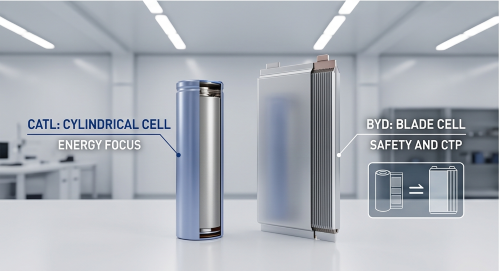
The most fundamental distinction between CATL and BYD battery offerings involves their chemical composition and technological philosophy. This difference affects energy density, range, charging speed, cost, and overall vehicle performance.
LFP Technology: BYD’s Blade Battery Advantage
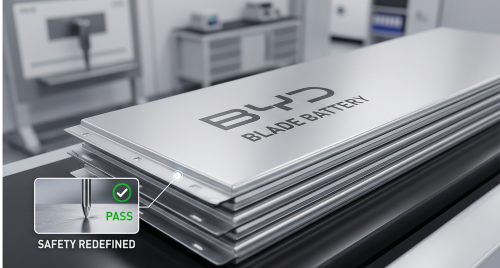
BYD’s Blade Battery represents a revolutionary approach to lithium iron phosphate (LFP) chemistry. Introduced in 2020, this technology features elongated cell structures that maximize energy density without requiring traditional prismatic or pouch formats. The Blade design improves structural integrity, thermal stability, and manufacturing efficiency.
Blade Battery Characteristics:
- Energy density: 160–180 Wh/kg
- Operating temperature range: -30°C to +60°C
- Cycle life: 3,000+ cycles (approximately 1 million km)
- Safety rating: Exceptional thermal stability without thermal runaway
- Cost: Approximately 20–30% lower than nickel-based batteries
LFP chemistry inherently provides superior thermal stability and safety characteristics. The iron phosphate structure is thermally stable at high temperatures, eliminating the risk of thermal runaway that can occur with nickel-based batteries. This safety advantage makes LFP batteries ideal for mass-market vehicles where cost and reliability are paramount.
BYD’s Blade Battery dominates the affordable EV segment, powering vehicles like the Song, Seagull, and Qin series. These vehicles offer excellent value propositions through lower material costs, extended warranties, and proven reliability over millions of kilometers of real-world driving.
CATL’s Nickel-Based and LFP Portfolio
CATL manufactures both nickel-based and LFP batteries, allowing the company to serve diverse market segments. Their nickel-based chemistries (NCM and NCA) deliver higher energy densities, enabling longer vehicle ranges and better performance characteristics sought by premium EV buyers.
CATL Nickel-Based Specifications:
- Energy density: 250–300 Wh/kg
- Range: 20–30% greater than equivalent LFP capacity
- Fast charging: Superior charging speed capability
- Cost: 20–30% higher than LFP alternatives
- Thermal management: Requires sophisticated battery management systems
CATL’s nickel-based batteries power premium Tesla models, BMW i-series vehicles, and high-performance Chinese EVs like NIO and XPeng models. The superior energy density enables these manufacturers to deliver competitive ranges while maintaining acceptable vehicle weight and performance characteristics.
CATL’s LFP offerings, including its CATL LFP Blade-style batteries, compete directly with BYD’s technology. However, BYD’s earlier market entry and extensive manufacturing scale provide competitive advantages in LFP segment dominance.
CATL vs BYD Battery: Quick Comparison Table
Before exploring real-world performance, the table below distils the core differences between BYD’s LFP Blade Battery and CATL’s nickel-based chemistry into a single view.
| Attribute | BYD Blade (LFP) | CATL Nickel-Based (NCM/NCA) |
|---|---|---|
| Energy density | 160–180 Wh/kg | 250–300 Wh/kg |
| Relative range | Baseline | ~20–30% greater |
| Peak fast charging | ~200–250 kW | 300 kW+ |
| Thermal safety | Excellent (no thermal runaway) | Good (needs active management) |
| Cell cost (2026) | ~$100–120 / kWh | ~$150–180 / kWh |
| Best suited to | Value, safety, longevity | Range, performance, fast charging |
Performance Characteristics and Real-World Implications
Beyond chemistry differences, CATL and BYD batteries perform differently under various real-world conditions. Understanding these performance distinctions helps buyers evaluate which battery technology suits their specific usage patterns.
Range and Energy Efficiency
Nickel-based batteries (CATL’s specialty) deliver approximately 20–30% greater range than equivalently sized LFP batteries. A vehicle powered by CATL nickel-based batteries with 75 kWh capacity might achieve 500+ km range, while an equivalent BYD LFP 75 kWh battery would deliver approximately 400–420 km range. This difference becomes significant for long-distance drivers and buyers concerned about charging infrastructure availability.
LFP batteries compensate through superior efficiency in hot climates and better thermal management. BYD’s Blade Battery maintains consistent performance across temperature extremes, while nickel-based batteries require sophisticated thermal management systems that consume additional energy.
Charging Speed and Convenience
CATL’s nickel-based batteries accept faster charging protocols, supporting DC fast charging at rates exceeding 300 kW. This enables rapid top-ups during long journeys. BYD’s Blade Battery supports fast charging but typically at lower power rates (200–250 kW), requiring slightly longer charging times.
For daily commuting where overnight charging is feasible, this difference proves inconsequential. For frequent long-distance drivers, CATL’s faster charging capabilities provide meaningful convenience advantages.
Longevity and Degradation
Both CATL and BYD batteries demonstrate exceptional longevity, with typical warranties covering 8 years or 160,000 kilometers. BYD’s Blade Battery exhibits slightly better degradation characteristics in accelerated aging tests, maintaining approximately 90% capacity after 1 million kilometers.
CATL’s nickel-based batteries degrade more rapidly under extreme conditions but maintain excellent longevity under normal operating parameters. Real-world data from Tesla owners using CATL batteries shows capacity retention above 85% after 500,000+ kilometers.
Safety, Manufacturing, and Environmental Considerations
Safety and environmental impact represent critical evaluation criteria for modern battery technologies. Both manufacturers have invested substantially in safety technologies, but their approaches differ.
Thermal Safety and Fire Risk
LFP batteries (BYD’s focus) are inherently safer than nickel-based alternatives. The iron phosphate structure cannot sustain thermal runaway, even when subjected to extreme abuse testing. This safety advantage has led several manufacturers to exclusively adopt LFP technology despite lower energy density.
CATL’s nickel-based batteries incorporate sophisticated battery management systems, advanced cooling solutions, and mechanical safeguards to prevent thermal events. Despite these measures, nickel-based batteries retain theoretical thermal runaway potential, requiring continuous system monitoring and intervention.
Real-world fire incident data supports LFP’s safety advantages. BYD EVs with Blade Batteries show significantly lower thermal incident rates than comparable vehicles using nickel-based batteries, though both technologies demonstrate acceptable safety records relative to traditional combustion vehicles.
Manufacturing Capacity and Supply Chain
BYD operates one of the world’s largest battery manufacturing footprints, with capacity exceeding 500 GWh annually across multiple facilities worldwide. CATL’s manufacturing capacity approaches similar levels, distributed across numerous global production sites. This manufacturing scale ensures adequate battery supply for the rapidly expanding EV market.
BYD’s vertical integration provides supply chain resilience but creates potential customer conflicts. CATL’s independent supplier status ensures impartial treatment of all customers but introduces supply chain dependencies on external components.
Environmental and Sustainability Impact
LFP batteries offer environmental advantages through reduced reliance on nickel and cobalt mining. These materials present significant environmental and ethical concerns, particularly cobalt extraction in conflict-affected regions. BYD’s LFP emphasis aligns with sustainable sourcing principles.
CATL’s nickel-based batteries require extensive nickel sourcing, involving significant environmental extraction costs. However, CATL’s battery recycling programs and commitment to closed-loop supply chains partially offset these concerns.
Cost Implications and Market Pricing
Battery cost represents the largest single component of EV pricing, making manufacturing efficiency critical for market competitiveness. CATL and BYD employ different cost optimization strategies with consequent pricing implications.
Manufacturing Economics
BYD’s LFP batteries cost approximately $100–120 per kWh in 2026, significantly below nickel-based alternatives at $150–180 per kWh. This cost advantage translates to final vehicle pricing. A vehicle equipped with a BYD Blade Battery might cost €5,000–8,000 less than an equivalent vehicle using CATL nickel-based batteries.
This cost differential explains market segmentation patterns. Budget-conscious buyers increasingly select LFP-equipped vehicles, while performance-oriented buyers justify premium pricing for nickel-based battery advantages. CATL’s ability to serve both market segments provides commercial flexibility.
Total Cost of Ownership
💡 Pro Tip: While upfront vehicle costs favor LFP batteries, total cost of ownership calculations must account for efficiency, longevity, and usage patterns. High-mileage drivers may find nickel-based batteries justify premium pricing through superior range and charging speed, reducing charging infrastructure dependency.
LFP battery longevity advantages support lower long-term maintenance costs and superior residual values in used EV markets. Buyers retaining vehicles beyond 5–7 years benefit from LFP’s proven durability. Buyers replacing vehicles more frequently may prioritize nickel-based battery advantages in performance and range.
Which Battery Technology Should You Choose?
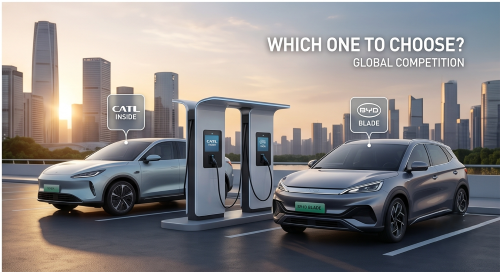
The answer depends on individual usage patterns, budget constraints, and driving priorities. Neither battery technology is universally superior; rather, each excels in specific applications.
Choose BYD Blade Battery (LFP) If You:
- Prioritize affordable entry into EV ownership with strong value propositions
- Charge primarily at home with predictable daily driving patterns
- Value maximum safety and thermal stability above all considerations
- Prefer vehicles proven to retain value and durability over extended ownership
- Drive primarily in urban environments with extensive charging infrastructure
- Seek environmental sustainability through reduced mining dependencies
Choose CATL Nickel-Based Battery If You:
- Require maximum range for frequent long-distance travel
- Demand premium performance and rapid charging capabilities
- Drive in climates with limited charging infrastructure requiring range security
- Prioritize vehicle performance and acceleration characteristics
- Value cutting-edge technology and the fastest charging speeds
- Plan ownership under 5 years, prioritizing performance over longevity
⚠️ Important Note: Do not select a vehicle on battery supplier alone. The same chemistry can perform very differently depending on the car’s thermal management, software, and charging hardware. Always evaluate the complete vehicle — warranty, service network, and real-world reviews included.
The Practical Middle Ground
For most buyers, battery choice should not be the primary vehicle selection criterion. Instead, focus on the complete vehicle package, including brand reliability, charging network access, warranty coverage, and long-term support availability. Both CATL and BYD batteries provide exceptional reliability and safety when properly integrated into complete vehicle systems.
For comprehensive vehicle comparisons and detailed reviews of models powered by different battery technologies, visit our extensive automotive guides featuring in-depth analyses of vehicles from BYD, NIO, XPeng, and other leading manufacturers.
The Future of Battery Technology
Both CATL and BYD continue aggressive research and development efforts to advance battery technology. Emerging innovations promise to overcome current limitations while maintaining the advantages of existing approaches.
Solid-State Battery Development
Both manufacturers are investing heavily in solid-state battery technology, which replaces liquid electrolytes with solid materials. These batteries promise energy density exceeding 400 Wh/kg while improving safety and reducing degradation. Commercial availability remains a few years away, but both CATL and BYD claim development leadership.
Integration and Smart Battery Management
Future battery advantages will emerge not only from chemistry improvements but from intelligent integration with vehicle systems. AI-powered battery management optimizing charging patterns, thermal conditions, and performance characteristics promises significant real-world improvements for both battery chemistries.
FAQ: CATL vs BYD Battery
Is CATL better than BYD for EV batteries?
CATL is often stronger for premium range, fast charging, and broad supply to many car brands. BYD is often stronger for value, safety-focused LFP chemistry, and vertically integrated vehicle production.
Is BYD Blade Battery safer than nickel-based batteries?
BYD Blade Battery uses LFP chemistry, which is known for strong thermal stability. That makes it attractive for buyers who prioritize durability, safety, and lower material cost.
Which battery is better for long-distance driving?
CATL nickel-based batteries can be better for long-distance driving when maximum range and fast charging are top priorities. BYD LFP batteries are still practical for many drivers, especially with home charging.
Which battery type is cheaper to own?
LFP batteries such as BYD Blade Battery usually have lower material costs and strong cycle life. However, the total cost depends on the vehicle price, warranty, efficiency, charging habits, and resale value.
Should buyers choose a car based only on the battery supplier?
No. Battery supplier matters, but buyers should also compare the complete vehicle, including safety rating, range, charging access, warranty, service network, software, comfort, and long-term ownership support.
Conclusion: A Market Driven by Two Titans
CATL and BYD batteries power the overwhelming majority of electric vehicles globally, representing distinct technological philosophies and market strategies. CATL’s independent supplier model and nickel-based expertise serve premium and performance segments, while BYD’s integrated approach and Blade Battery dominance address mass-market affordability and reliability demands.
Neither manufacturer is categorically superior; rather, each excels within specific market segments and use cases. Your optimal choice depends on personal priorities, budget constraints, and driving patterns. By understanding the fundamental differences in the CATL vs BYD battery debate, you can make informed vehicle selections aligned with your unique transportation needs.
The battery competition between CATL and BYD drives continuous innovation benefiting all EV buyers through improved technology, reduced costs, and expanded vehicle options. As battery technology continues advancing, both manufacturers will maintain leadership roles in shaping the future of electric vehicle transportation.