Can You Get Chinese Cars Serviced Anywhere in Europe? Complete Guide
As Chinese electric vehicles like BYD, NIO, and XPeng become increasingly popular across Europe, prospective buyers often wonder: where can I actually service these cars? The short answer is yes, but with important nuances. This comprehensive guide explores the evolving landscape of Chinese car servicing in Europe, from authorized dealer networks to independent workshops, warranty implications, and what you need to know before purchasing.
The good news is that European infrastructure for Chinese EV servicing is rapidly expanding. Major manufacturers are establishing authorized service centers in key markets, and independent mechanics are becoming more knowledgeable about Chinese vehicle platforms. Understanding your options is crucial for informed ownership and peace of mind.
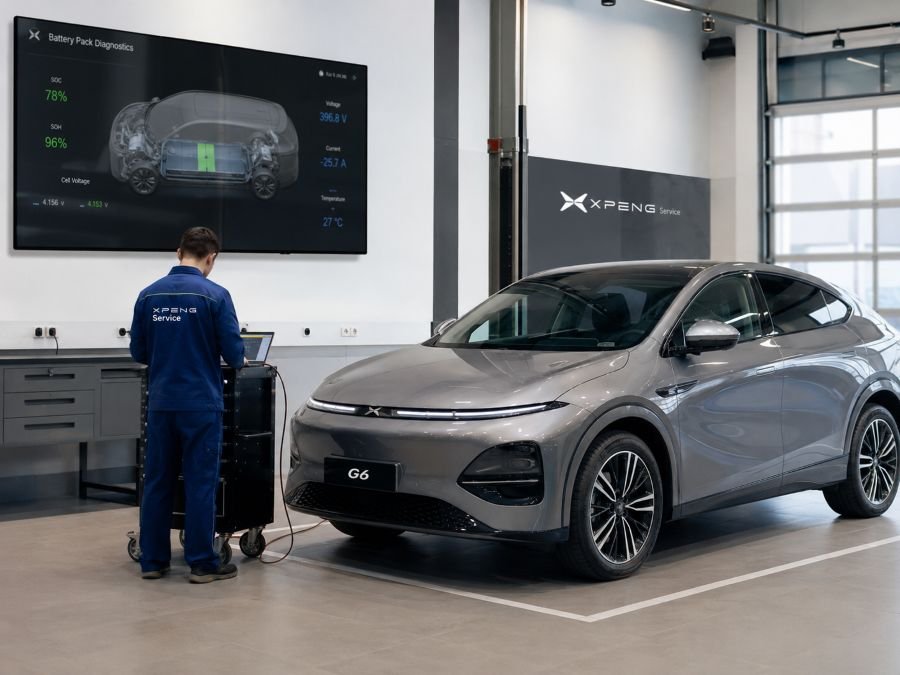
The expansion of Chinese automotive brands into European markets represents one of the most significant shifts in the global automotive industry over the past decade. With total Chinese EV sales in Europe expected to surpass 2 million units by 2026, the question of service availability and maintenance infrastructure has shifted from theoretical concern to practical necessity for millions of European drivers. This transformation is reshaping how manufacturers, dealerships, and independent service providers approach vehicle maintenance across the continent.
The Current State of Chinese Car Service Networks in Europe
The service infrastructure landscape for Chinese cars in Europe has undergone dramatic transformation since 2021. Major manufacturers including BYD, NIO, Li Auto, XPeng, and Geely-Volvo have invested billions in establishing authorized service networks across key European markets. Germany, the United Kingdom, France, Italy, and the Scandinavian countries have seen the most aggressive expansion, with over 2,500 authorized service centers now operating across the continent.
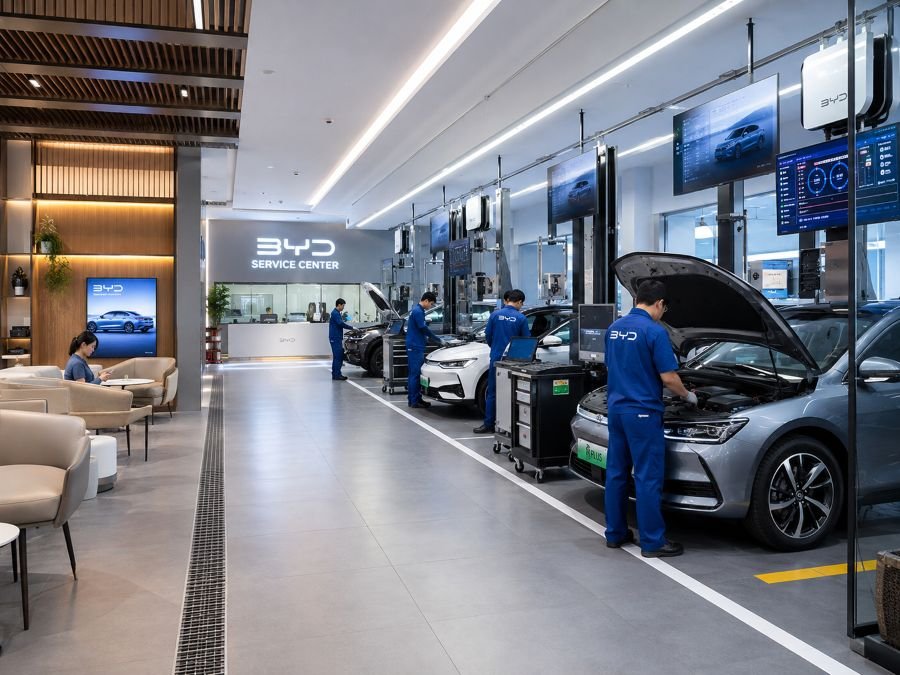
BYD, the world’s largest EV manufacturer, has established authorized dealerships and service centers in more than 35 European countries. Their service model combines manufacturer-trained technicians with genuine spare parts availability, creating a network that rivals traditional European automotive brands in accessibility. Similarly, NIO has prioritized service infrastructure as a core differentiation strategy, operating service centers in major European metropolitan areas with extended warranties and mobile service capabilities.
Authorized Dealership Networks by Major Brands
- BYD Europe: Over 1,200 authorized service locations across Europe, with dedicated EV technician training programs. BYD’s “Battery as a Service” model ensures battery diagnostics and replacements are handled by factory-trained specialists.
- NIO Premium Service: 400+ service centers with 24/7 roadside assistance, mobile battery swapping support in select countries, and white-glove customer service. NIO prioritizes premium ownership experience with loaner vehicles and appointment guarantees.
- XPeng Service Centers: Expanding rapidly with 600+ locations across Europe. XPeng technicians specialize in advanced driver assistance systems and software updates crucial for vehicle functionality.
- Geely-Volvo Network: Leveraging Volvo’s established European service infrastructure, Geely models are serviced at over 2,000 Volvo dealerships. This integration creates immediate service accessibility for Geely owners.
- Li Auto Service: Growing network of 350+ service centers in Europe, with emphasis on extended warranty coverage and preventive maintenance programs for luxury-focused clientele.
Warranty Coverage and Service Obligations
Understanding warranty structure is fundamental to making informed servicing decisions. Chinese car manufacturers typically offer comprehensive warranties that mandate servicing through authorized dealers to maintain coverage validity. This is a critical point that requires careful attention from potential buyers.
Most Chinese EV manufacturers offer industry-leading warranties designed to build consumer confidence in nascent markets. BYD’s standard warranty covers eight years or 120,000 kilometers for battery performance, with comprehensive powertrain coverage for six years or 100,000 kilometers. This extended warranty coverage reflects the manufacturers’ confidence in vehicle durability and differentiates their value proposition significantly from many European competitors.
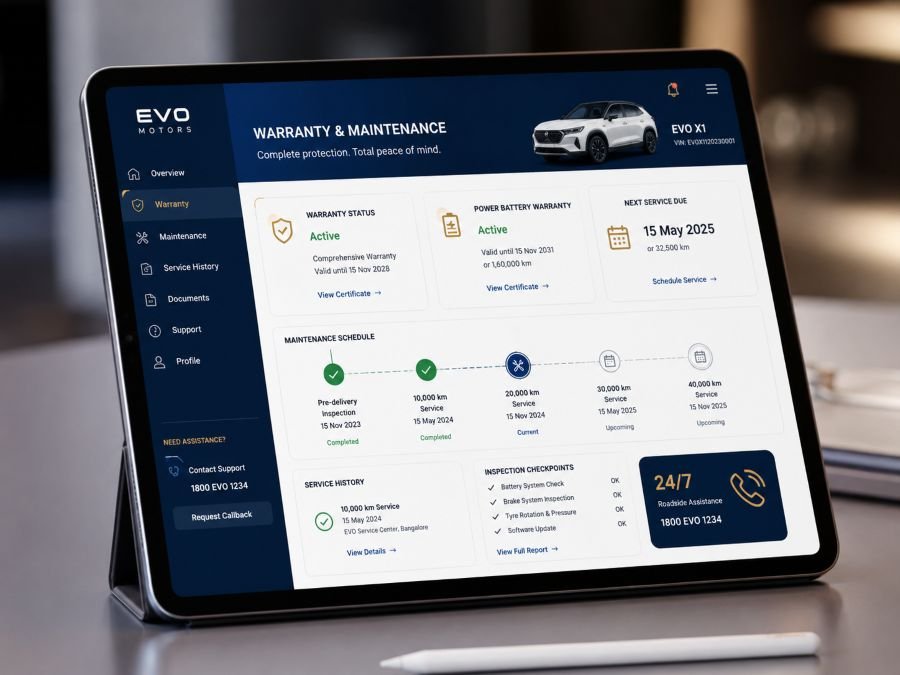
⚠️ Critical Warranty Note: Servicing your Chinese EV at non-authorized facilities can void warranty coverage on affected components. Always verify with your manufacturer that your chosen service provider is authorized before proceeding with maintenance work. Documentation of all service work is essential for warranty claims.
NIO takes warranty strategy further with differentiated packages based on purchase year and total cost of ownership considerations. Their “Battery Maintenance Plan” allows owners to prepay for battery services at fixed rates, protecting against future cost escalation. This consumer-focused approach has proven particularly attractive to European luxury buyers concerned about long-term ownership costs.
Independent Mechanics and Cross-Brand Service Options
While authorized dealers provide warranty-compliant servicing, independent mechanics increasingly handle Chinese vehicle maintenance, particularly for routine procedures that don’t affect warranty coverage. This growing ecosystem of independent service providers expands options for cost-conscious owners and those located far from authorized centers.
European independent mechanics have recognized the market opportunity represented by Chinese EV expansion and many are investing in training and diagnostic equipment. Professional organizations across Europe have established Chinese EV service protocols, and independent technicians increasingly cite Chinese vehicle technology as straightforward compared to legacy automotive complexity. Battery diagnostic equipment, increasingly standardized across EV platforms, enables cross-training among independent mechanics servicing multiple EV brands.
Services Safely Handled by Independent Mechanics
- Routine Maintenance: Tire rotation, brake pad replacement, filter changes (where applicable), and fluid top-ups are generally safe for any qualified mechanic to perform.
- Basic Electrical Work: Non-critical electrical repairs, wiper blade replacement, light bulb upgrades, and interior electrical components can be handled independently.
- Software Updates: Some independent shops have gained access to manufacturer diagnostic software, enabling OTA update downloads and software issue troubleshooting.
- Cosmetic Repairs: Body work, paint correction, interior detailing, and non-safety-related repairs are appropriate for independent shops specializing in these services.
- Certified Battery Diagnostics: Certified independent shops with proper equipment can perform battery health assessments and thermal management system checks.
Maintenance Costs: How Chinese Cars Compare
A major financial advantage of Chinese EVs in Europe is dramatically lower maintenance costs compared to traditional and luxury European vehicles. The electric powertrain eliminates entire categories of maintenance requirements while introducing only specialized battery and thermal management servicing. Understanding these cost differentials helps owners budget for ownership and compare total cost of ownership against competing vehicles.
| Maintenance Category | Chinese EV (Annual) | European EV (Annual) | Savings % |
|---|---|---|---|
| Routine Maintenance | €150-250 | €300-450 | 35-40% |
| Battery Diagnostics | €100-150 | €200-300 | 30-40% |
| Tire & Brake Service | €250-350 | €350-550 | 25-35% |
| Software Updates | Free | €50-150 | 100% |
| Total Annual Cost | €550-800 | €850-1,450 | 30-45% |
The cost advantage stems from Chinese manufacturers’ vertical integration philosophy and simplified engineering approaches. Fewer mechanical components mean fewer failure points. Elimination of traditional transmission systems removes an entire category of maintenance requirements. Software-driven features reduce reliance on expensive hardware replacements. Most importantly, manufacturer-set service pricing in Europe reflects competitive market positioning and manufacturer desire to build brand loyalty through favorable total cost of ownership.
💡 Pro Tip: Request itemized service quotations from authorized dealers before making purchases. Many Chinese manufacturers offer prepaid maintenance packages at attractive discounts, locking in service costs for 4-6 years and providing budget certainty for ownership planning.
Navigating Service Through Different Countries
Europe’s diverse regulatory environment and dealer network variation means that servicing considerations differ significantly across borders. A vehicle purchased in Germany and driven to Spain may require different documentation and service approaches. Understanding cross-border servicing logistics is essential for European owners who drive internationally or plan to relocate vehicles between countries.
Country-Specific Service Infrastructure
Germany & Benelux: Highly developed service networks with 500+ authorized centers across this region. German regulatory standards are particularly strict, but Chinese manufacturers maintain facilities meeting the highest EU standards. VW Group’s support for battery recycling and extended warranties follows German legal requirements closely.
United Kingdom: Post-Brexit vehicle servicing follows UK-specific standards. Chinese manufacturers have established dedicated UK service networks with 200+ facilities. Import duties and spare parts supply chains have stabilized following initial post-Brexit disruptions.
France & Southern Europe: Expanding networks in France, Italy, Spain, and Portugal with approximately 800 authorized centers combined. Service availability is excellent in major metropolitan areas but remains limited in rural regions. Extended driving distances between service centers characterize ownership in southern European countries.
Scandinavia: Norway and Sweden lead European adoption of Chinese vehicles, with the most developed service infrastructure outside Germany. Service availability rivals traditional European brands. Swedish regulatory focus on environmental performance aligns perfectly with Chinese EV manufacturer values.
DIY Maintenance and What You Can Handle Yourself
Electric vehicle ownership fundamentally changes maintenance possibilities compared to traditional internal combustion vehicles. The elimination of complex mechanical systems and reliance on sophisticated diagnostic software means that most DIY work requires manufacturer authorization even for simple procedures. However, certain tasks remain accessible to technically competent owners with proper guidance.
Safe DIY Tasks for Chinese EV Owners
- Tire Rotation: Standard wheel rotation procedures apply to Chinese EVs identically to any vehicle. Rotate every 8,000-10,000 kilometers to manage uneven wear from regenerative braking characteristics.
- Windshield Wipers: Blade replacement is straightforward and requires no special knowledge. Most dealerships can perform this for €20-40 if preferred.
- Air Filter Cabin: Many models allow owner replacement of cabin air filters through accessible panels. Consult your owner’s manual for location and replacement procedures.
- Brake Fluid Inspection: Visual inspection of brake fluid reservoirs requires no tools and helps identify potential issues early. Top-up procedures should follow manufacturer guidelines explicitly.
- Battery Cooling System Inspection: Visual inspection of battery thermal management components and fluid levels can be performed by observant owners, though refills must follow manufacturer specifications precisely.
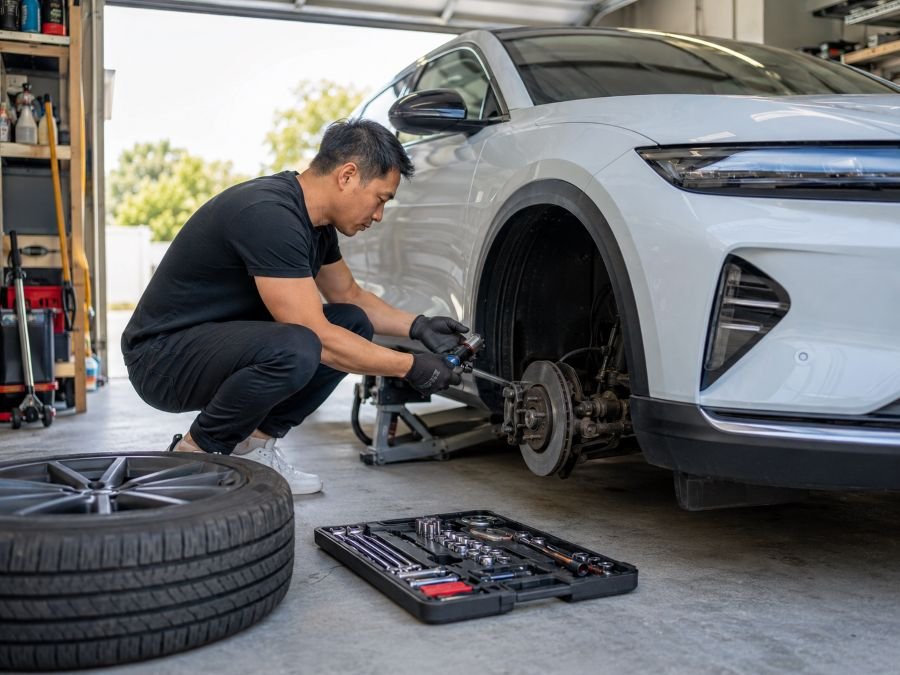
⚠️ Important Safety Warning: Never attempt high-voltage system work, battery diagnostics, or software modifications without authorized training. Chinese EV batteries operate at 400-800 volts and can cause fatal electrocution. Software modifications may disable critical safety systems. Always defer to authorized service centers for any work involving these components.
Remote Diagnostics and Mobile Service Options
Chinese manufacturers are pioneering innovative service delivery models that address geographic challenges and convenience concerns. Telematics connectivity built into modern Chinese EVs enables remote diagnostics reducing unnecessary dealer visits while providing proactive maintenance recommendations. Understanding these capabilities helps maximize your service experience and vehicle reliability.
Most modern Chinese EVs continuously monitor hundreds of vehicle parameters through cloud-connected systems. BYD’s DiPilot system, NIO’s Aquila Super Sensing, and XPeng’s XPILOT all generate real-time diagnostic data accessible to authorized service centers. Manufacturers can often diagnose issues remotely and send technicians with specific knowledge and parts ready, reducing service appointment duration and improving first-time fix rates.
Mobile service options represent a growing alternative to traditional dealership visits. Several Chinese manufacturers now offer mobile technicians who travel to customer locations for routine maintenance, diagnostics, and parts replacement. This service proves particularly valuable in rural European regions with limited dealer access, providing appointment convenience and maintaining warranty compliance.
Parts Availability and Supply Chains
Spare parts availability represents a legitimate concern for Chinese car buyers in Europe, though the situation has improved dramatically since 2021. Current parts supply chains feature multiple access points, though lead times and pricing occasionally reflect supply chain immaturity compared to established European manufacturers.
Authorized dealerships guarantee access to genuine parts with manufacturer warranties, though pricing typically reflects full retail margins. Lead times for specialized components from China have reduced from 8-12 weeks in 2021 to 3-4 weeks in 2026 as regional inventory has expanded. Battery components, thermal management systems, and body panels are increasingly stocked in European distribution centers.
Aftermarket and compatible parts represent increasingly viable alternatives for non-critical components. Third-party manufacturers have reverse-engineered many Chinese EV body panels, trim pieces, and non-electrical components. Electric vehicle platforms share surprising commonality across manufacturers, enabling cross-compatibility for items like brake rotors, pads, and suspension components. However, electronics and battery-related components must always come from authorized sources to maintain warranty validity and ensure safety compliance.
Manufacturer Support Programs and Extended Warranties
Chinese manufacturers understand that consumer confidence in servicing infrastructure directly impacts vehicle sales and are aggressively supporting extended warranty and maintenance programs. These programs address buyer concerns while building long-term customer relationships and warranty-covered vehicle utilization data.
Most manufacturers offer tiered warranty packages extending coverage beyond the standard factory warranty. Extended battery warranties covering degradation below manufacturer-specified thresholds (typically 70-80% capacity retention) provide peace of mind for high-mileage owners. Powertrain coverage extension adds protection for motor, inverter, and thermal management systems. These extended packages typically cost €2,000-5,000 at purchase time but offer significant cost protection over 7-10 year ownership periods.
💡 Pro Tip: Negotiate warranty extensions during purchase negotiations rather than paying full retail prices afterward. Dealers frequently include warranty upgrades as purchase incentives to close sales. Prepaid maintenance packages bundled with extended warranties provide maximum cost predictability for your ownership period.
Regional Differences and Future Outlook
Service infrastructure variation across European regions will likely narrow significantly over the next 3-4 years as Chinese manufacturers continue network expansion. Currently, owners in major metropolitan areas enjoy dealer options within 30-50 kilometers, while rural regions may have significantly longer distances to service centers. This geographic variation influences purchase decisions and ongoing ownership convenience.
Forward-looking service models increasingly emphasize digital integration and mobile-first approaches. OTA (Over-The-Air) updates eliminate many traditional servicing needs entirely while simultaneously introducing new diagnostics capabilities. Blockchain-based service records create transparent maintenance histories improving resale values. Predictive maintenance algorithms identify issues before failure, enabling proactive service scheduling and preventing unexpected breakdowns.
FAQ: Servicing Chinese Cars in Europe
Can I service a Chinese car at any mechanic in Europe?
While basic maintenance can be performed at qualified independent workshops, authorized dealers are strongly recommended for warranty coverage, specialized diagnostics, and systems requiring manufacturer-specific knowledge. Always verify service provider authorization before proceeding with warranty-affecting work.
Are Chinese cars covered by warranty in Europe?
Yes, Chinese car manufacturers offer comprehensive warranties typically covering 3-8 years depending on brand and component type. Battery warranties often extend to 8 years or 120,000 kilometers. Warranty validity depends on servicing at authorized dealers and following manufacturer maintenance schedules. Extended warranty options are available from most manufacturers at reasonable costs.
How expensive is Chinese car maintenance in Europe?
Chinese vehicle maintenance averages 30-40% less than comparable European or American EVs. Annual maintenance typically ranges €550-800 for routine servicing, battery diagnostics, and fluid top-ups. No oil changes or transmission servicing are required, eliminating entire maintenance categories. Authorized dealer pricing is competitive with equivalent European vehicles.
Can I find replacement parts for Chinese cars in Europe?
Availability has improved significantly. Authorized dealers stock genuine parts with lead times of 3-4 weeks for specialized components. Aftermarket alternatives are increasingly available through online retailers and independent suppliers for non-critical components. Cross-compatible EV parts from other manufacturers work for certain components, though battery and critical electronics must use manufacturer-approved parts.
What should I do if my Chinese car needs servicing?
Contact your vehicle’s authorized dealer first to locate the nearest service center and schedule an appointment. Use the manufacturer’s service locator tool on their European website. For warranty work, always use authorized facilities. For routine maintenance, qualified independent workshops are acceptable if you understand warranty implications. Keep all service documentation for warranty claim purposes.
Do Chinese cars need servicing more frequently than European vehicles?
No, Chinese EVs typically require servicing less frequently than traditional vehicles due to simplified powertrains. Most manufacturers recommend servicing annually or every 20,000-25,000 kilometers, aligned with standard European intervals. Electric motors and single-speed transmissions generate no wear comparable to internal combustion engines.
Are Chinese car dealerships expanding in Europe?
Yes, major manufacturers are rapidly expanding European service networks. BYD, NIO, XPeng, and others added 400+ new service centers in 2025 alone. Growth rate accelerates as vehicle sales volumes increase, with projections suggesting 5,000+ authorized centers across Europe by 2028.
Final Verdict: Chinese Car Servicing Feasibility in Europe
The answer to whether Chinese cars can be serviced anywhere in Europe is definitively yes, with increasingly convenient options across the continent. Authorized service networks rival traditional European manufacturers in major markets, with expansion accelerating in secondary cities and rural regions. Cost advantages make Chinese vehicles attractive from a total-cost-of-ownership perspective, with maintenance expenses substantially below comparable European alternatives.
For prospective buyers, the service infrastructure landscape should no longer represent a barrier to Chinese EV ownership in Europe. The sophisticated telematics and remote diagnostics capabilities of modern Chinese vehicles actually provide advantages over traditional vehicles, enabling proactive maintenance and reducing unexpected failures. Extended warranty programs, mobile service options, and rapidly expanding dealer networks address remaining concerns comprehensively.
As the Chinese automotive presence in Europe matures, service accessibility will become increasingly irrelevant as a purchasing consideration. The real differentiator will shift toward service quality, dealer customer service, and ownership experience factors—dimensions where Chinese manufacturers actively compete for European consumer preference.