BYD Dolphin Review: Is It Europe’s Best Budget EV?
The European electric car market has changed dramatically. Only a few years ago, buying an affordable electric vehicle usually meant accepting a short driving range, a basic interior, slow charging, or a badge that felt experimental. Today, the situation is different, and the BYD Dolphin sits right in the middle of that change. This BYD Dolphin review looks at whether the compact Chinese electric hatchback has enough design appeal, real-world practicality, battery technology, safety, and value to be considered Europe’s best budget EV.
The Dolphin is not trying to be a luxury car, a performance hero, or a futuristic concept on wheels. Instead, it aims to solve the everyday problems that matter most to European drivers: manageable size, efficient running costs, usable range, good cabin space, modern technology, and a price point that makes electric mobility feel more realistic. In many ways, that simple mission is exactly what makes the car interesting.
BYD Dolphin Review: Exterior Design and Road Presence
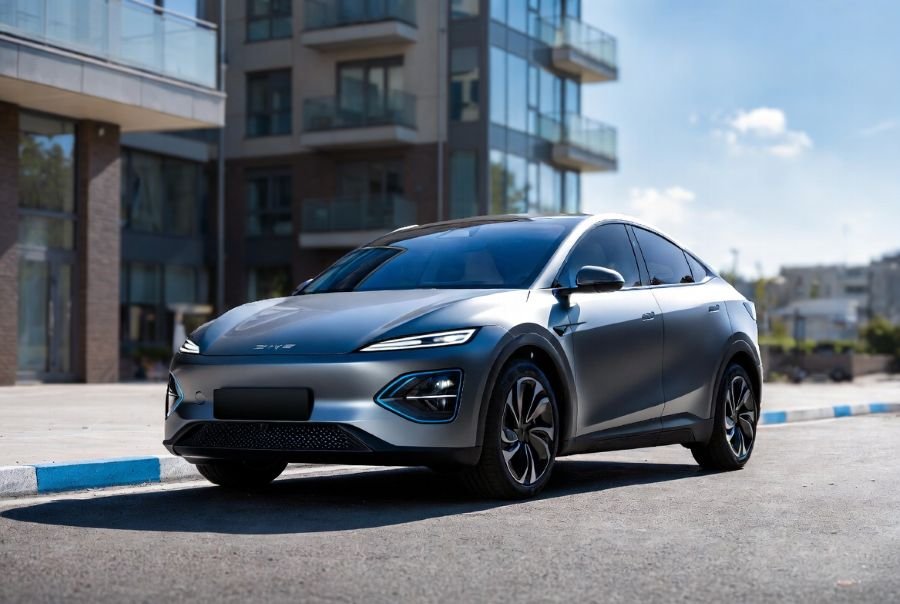
The first thing to understand in any BYD Dolphin review is that this car is deliberately friendly rather than aggressive. Many electric vehicles use sharp lines, oversized lighting signatures, and dramatic styling to look futuristic. The Dolphin takes a softer approach. Its rounded front, clean side profile, compact proportions, and smooth surfaces make it approachable, especially for buyers who want an EV that feels modern without looking intimidating.
In Europe, where narrow streets, tight parking spaces, and dense urban areas are part of daily driving, the Dolphin’s size is a real advantage. It is large enough to feel stable and practical, yet small enough to make city driving easy. The compact hatchback shape also gives it broad appeal because it fits naturally into the same lifestyle space as cars such as the Volkswagen ID.3, MG4 EV, Renault Megane E-Tech, Peugeot e-208, and Vauxhall Corsa Electric.
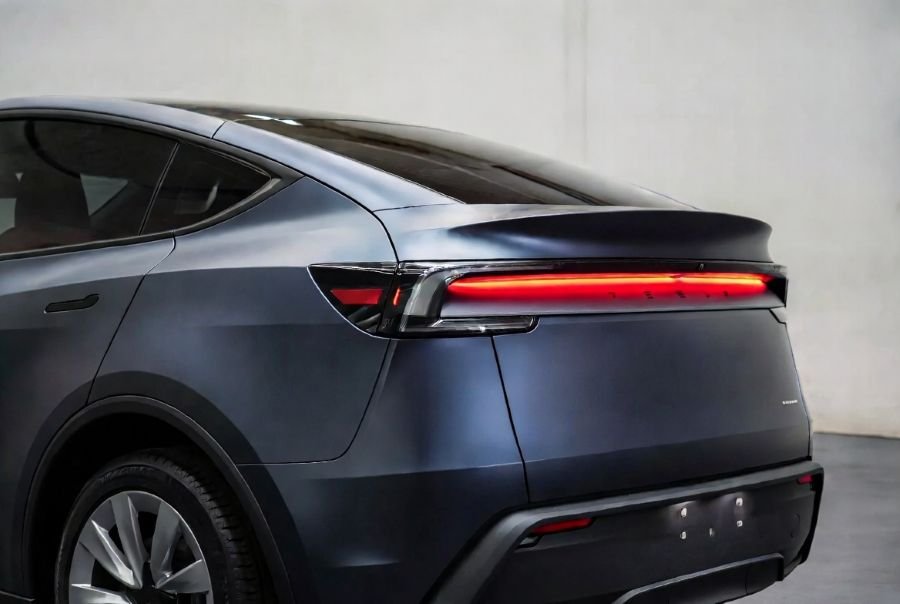
However, the Dolphin’s design is not only about size. The short overhangs and clean surfacing help efficiency, while the rear light bar gives the car a more premium appearance than many budget EVs. The styling may not excite every enthusiast, but it succeeds because it looks fresh, practical, and properly finished. For a budget electric car, that matters more than visual drama.
BYD Dolphin Interior Review: Space, Technology, and Everyday Comfort
The cabin is one of the strongest parts of the Dolphin. Budget EVs often feel inexpensive once you sit inside, but BYD has given this hatchback a more thoughtful interior than expected. The dashboard design is playful, the central touchscreen is large, and the rotating display remains one of BYD’s most recognizable features. Some drivers will love the ability to switch between portrait and landscape orientation, while others may see it as a novelty. Either way, it gives the car a distinctive tech-focused character.
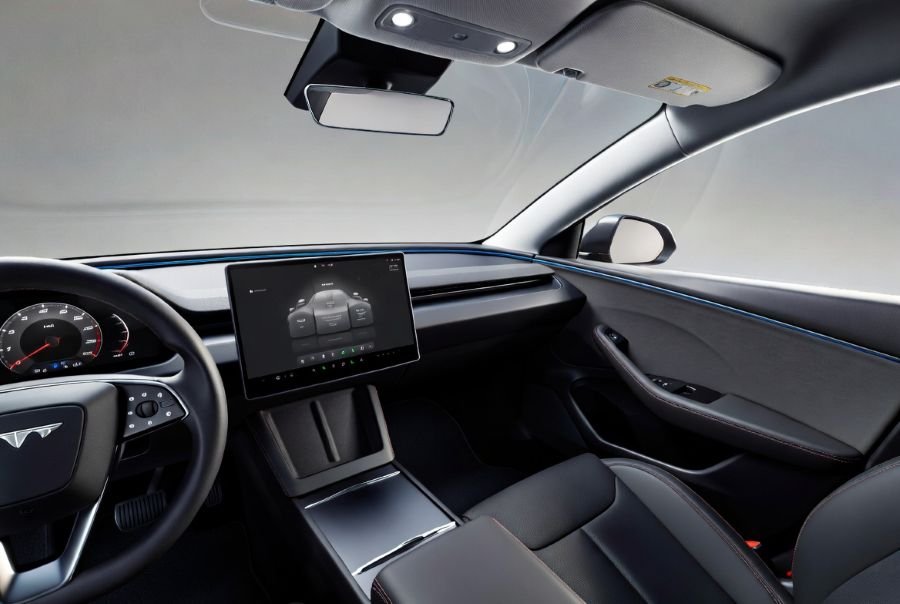
Space is another important advantage. Because the Dolphin is built as an electric car rather than a converted petrol hatchback, its packaging is efficient. The flat floor, long wheelbase relative to its size, and compact electric drivetrain help create good passenger room. Front occupants get a bright and open cabin, while rear passengers benefit from better legroom than the exterior dimensions might suggest.
The materials are mixed, as expected at this price point. Some surfaces feel soft and modern, while others are harder and more clearly cost-conscious. Nevertheless, the overall impression is positive because the design feels intentional. BYD has not simply installed a screen and called it modern. Instead, the Dolphin uses curves, contrast trim, and practical storage areas to create a cabin that feels more interesting than many traditional budget hatchbacks.
For families and commuters, the boot is useful rather than exceptional. Official UK data lists 345 litres with the seats up and up to 1,310 litres with the rear seats folded, which gives the Dolphin enough flexibility for weekly shopping, airport bags, or small family duties. It is not a crossover, and it does not pretend to be one. Yet for a compact electric hatchback, its practicality is convincing.
BYD Dolphin Review: Infotainment and Controls
The infotainment system gives the Dolphin a strong showroom impression. The display is crisp, the menus are generally clear, and smartphone integration helps reduce reliance on built-in navigation or media apps. Still, not everything is perfect. Like many modern EVs, the Dolphin places several functions inside the touchscreen, which can be less convenient than physical buttons when driving. Climate controls, driver assistance settings, and vehicle menus require some learning.
Even so, the learning curve is manageable. After a few days, most owners should find the system easy enough to use. More importantly, the technology does not feel like an afterthought. In a segment where affordability can sometimes mean stripped-back equipment, the Dolphin feels generous.
BYD Dolphin Driving Review: Performance, Comfort, and Handling
A budget EV does not need sports-car performance, but it does need instant response, smooth acceleration, and confidence in everyday traffic. The Dolphin delivers exactly that. In higher-output European versions, BYD lists maximum power of 150 kW and 0-62 mph acceleration in around 7 seconds, which is quick enough to make the car feel lively in cities and relaxed on motorways.
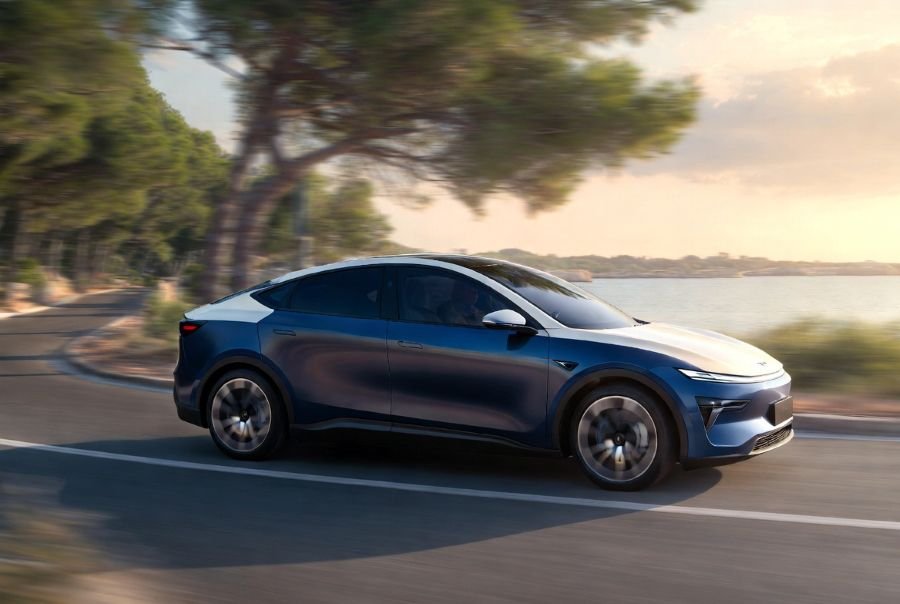
The driving experience is smooth rather than sporty. Steering is light, visibility is good, and the power delivery is predictable. This makes the Dolphin easy to place on the road, especially in traffic. It feels most at home in urban and suburban driving, where regenerative braking, quiet operation, and instant torque make everyday journeys more relaxing than in a comparable petrol hatchback.
On faster roads, the Dolphin remains composed, although it is not the most dynamic EV in its class. Rivals such as the MG4 may feel more engaging for enthusiastic drivers, while some European competitors may offer sharper steering or more polished suspension tuning. However, that does not make the Dolphin weak. It simply reveals its priorities. Comfort, efficiency, and ease of use matter more here than cornering excitement.
Ride quality is generally comfortable, especially at city speeds. Larger bumps and rougher surfaces can expose some firmness, but the car is not harsh. Noise isolation is also respectable for the price. Because there is no combustion engine, road and wind noise become more noticeable at higher speeds, yet the Dolphin remains pleasant enough for longer trips.
Is the BYD Dolphin Fun to Drive?
Fun depends on expectations. If fun means sharp steering, rear-wheel-drive balance, and playful handling, the Dolphin is not the class leader. If fun means effortless acceleration, quiet commuting, easy parking, and lower running costs, it absolutely delivers. For most budget EV buyers, that second definition is more relevant.
BYD Dolphin Range and Battery Review
Range is one of the most important parts of any BYD Dolphin review because value means very little if the car cannot travel far enough between charges. The Dolphin uses BYD’s Blade Battery, a lithium iron phosphate battery technology known for durability, thermal stability, and reduced reliance on expensive materials such as cobalt and nickel. This is a major part of BYD’s global EV strategy and one reason the company can offer competitive pricing.
In the UK, BYD lists a range of up to 265 miles for the Dolphin, depending on specification and conditions. In real-world European use, drivers should expect range to vary with speed, temperature, tyres, load, and driving style. City driving is where the Dolphin performs best because regenerative braking and lower speeds help efficiency. Motorway driving, especially in cold weather, will reduce the achievable distance.
Nevertheless, the Dolphin offers enough range for the majority of daily users. Most European drivers cover far less than 265 miles per day, which means the car can function as a primary vehicle for commuting, school runs, shopping, and weekend trips. For buyers moving from petrol to electric, this is important because the Dolphin reduces range anxiety without forcing them into a much more expensive EV.
| Category | BYD Dolphin Highlights | Why It Matters in Europe |
|---|---|---|
| Battery | BYD Blade Battery, LFP chemistry | Durability, safety focus, and competitive production cost. |
| Range | Up to 265 miles in UK specification | Enough for commuting, family use, and many weekend journeys. |
| Power | Up to 150 kW in higher-output versions | Strong acceleration without premium EV pricing. |
| Boot Space | 345 litres / 1,310 litres with seats folded | Practical for shopping, luggage, and small-family use. |
| Safety | Five-star Euro NCAP rating | Important reassurance for families and first-time EV buyers. |
BYD Dolphin Charging Review: Home and Public Charging
Charging convenience can make or break the EV ownership experience. The BYD Dolphin supports both home AC charging and public DC rapid charging, which gives owners flexibility. For many buyers, the ideal routine will be simple: charge at home overnight, drive during the day, and rarely visit a public charger except on longer trips.
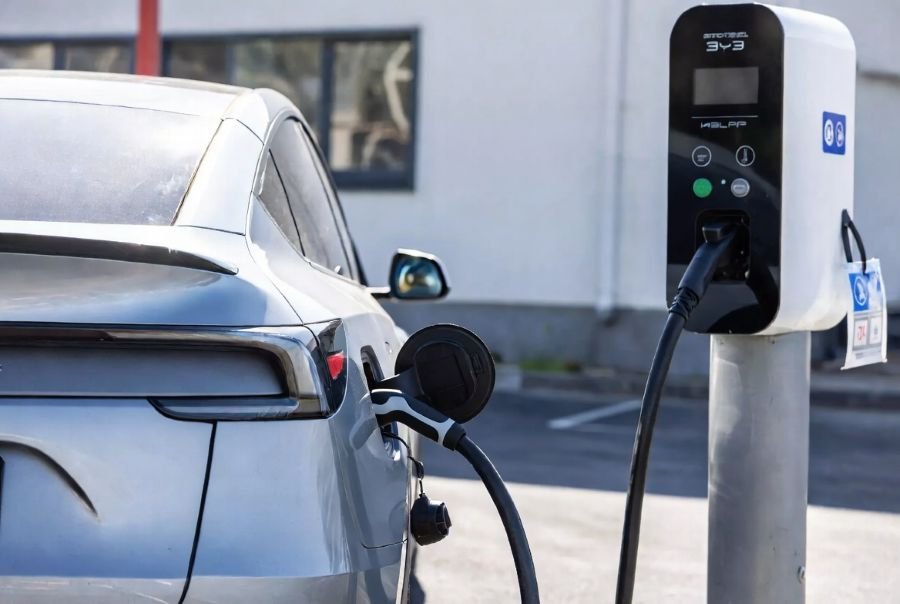
The Dolphin’s charging performance is competitive, although not always class-leading. Some rivals charge faster at peak speeds, but the difference may not matter much for owners who mostly charge at home. What matters more is whether the car can comfortably recover enough range during a normal stop. For road trips, planning still helps, especially during busy holiday periods when charging stations can be crowded.
The broader European charging network is improving, but reliability still varies by country, operator, and location. This means the Dolphin’s value is strongest for buyers with access to a driveway, workplace charging, or dependable local public chargers. Without those, ownership can still work, but it requires more planning.
BYD Dolphin Review: Charging Cost Advantage
One of the Dolphin’s biggest ownership strengths is running cost. When charged at home on a competitive electricity tariff, it can be much cheaper per mile than a petrol hatchback. Maintenance should also be simpler because EVs have fewer moving parts, no oil changes, no exhaust system, and less brake wear due to regenerative braking. Insurance, tyres, and depreciation still matter, but the overall cost equation is attractive.
Safety and Driver Assistance in the BYD Dolphin Review
Safety is another area where the Dolphin makes a serious case for itself. Euro NCAP awarded the BYD Dolphin a five-star rating in 2023, which is a significant achievement for a budget-focused EV. This helps reassure buyers who may still be unfamiliar with Chinese electric cars or concerned about newer brands entering Europe.
The Dolphin includes a range of driver assistance systems, including lane support, autonomous emergency braking, speed assistance, and monitoring features depending on market and trim. These systems are useful, especially on long journeys, but they are not a replacement for driver attention. As with many modern cars, some assistance alerts may feel sensitive, and owners may want to adjust settings to match their preferences.
The key point is that the Dolphin is not cheap because it ignores safety. Instead, it offers a strong safety package at a price level that makes it accessible. For families, young drivers, and commuters, this is one of the most persuasive reasons to consider it.
BYD Dolphin Practicality Review: Can It Replace a Petrol Hatchback?
For many European households, the real question is not whether the Dolphin is a good electric car. The real question is whether it can replace a familiar petrol hatchback without creating inconvenience. In most daily scenarios, the answer is yes. It has enough passenger room, a usable boot, comfortable seats, and a driving range that covers ordinary routines with ease.
The Dolphin is especially convincing as a second family car, commuter car, or urban main vehicle. It is easy to park, quiet in traffic, and efficient at lower speeds. For people who regularly drive hundreds of motorway miles in a single day, a larger EV with faster charging and more range may be better. But that is not the Dolphin’s target audience.
The rear seats are useful, not symbolic. Adults can sit in the back for shorter journeys without feeling punished, and children will have plenty of room. The boot floor and folding seats add flexibility, although buyers who carry large items often should check the load opening and folded-seat shape during a showroom visit.
BYD Dolphin Value Review: Why It Challenges Europe’s Budget EV Market
The Dolphin’s strongest argument is value. It combines a competitive purchase price with strong standard equipment, a practical range figure, a modern interior, and solid safety credentials. That combination puts pressure on established European brands, many of which have struggled to offer affordable EVs without sacrificing range or equipment.
Budget EV buyers are not only comparing monthly payments. They are comparing what they get for the money. In that sense, the Dolphin often feels like a larger and more complete product than expected. It may not have the badge prestige of Volkswagen, Peugeot, Renault, or Mini, but it compensates with equipment, battery technology, and space.
For readers who want to explore more electric and Chinese car reviews, visit the Chinese Cars Asia homepage for more articles, comparisons, and ownership guides.
BYD Dolphin Review: Ownership Costs
Ownership costs are where the Dolphin can become especially persuasive. Electricity can be cheaper than petrol, servicing should be simpler, and many European markets still offer tax or urban-access advantages for electric vehicles. However, buyers should also consider depreciation, local incentives, insurance groups, and charging access. A low purchase price is helpful, but the best budget EV is the one that stays affordable across several years of use.
BYD Dolphin vs Key European Budget EV Rivals
The Dolphin does not exist in an empty market. The MG4 EV is one of its strongest competitors, offering sharp pricing, good range, and a more dynamic rear-wheel-drive layout in some versions. The Peugeot e-208 offers style and a familiar European brand image, while the Renault Megane E-Tech brings a more premium interior feel. Volkswagen’s ID.3 has improved over time and benefits from brand recognition, but it is often more expensive.
Against these rivals, the Dolphin’s advantage is balance. It may not be the sportiest, most premium, or fastest-charging car in the class. Instead, it delivers a convincing mix of equipment, efficiency, space, range, and price. For budget-focused buyers, that balanced approach may be more useful than winning one category.
| Rival | Strength Compared with Dolphin | Dolphin Advantage |
|---|---|---|
| MG4 EV | More engaging handling in many versions. | Friendlier cabin design and strong equipment value. |
| Peugeot e-208 | Stylish European design and compact feel. | Often stronger space-to-price ratio. |
| Renault Megane E-Tech | More premium interior atmosphere. | Lower-cost positioning and practical simplicity. |
| Volkswagen ID.3 | Established brand recognition and mature platform. | Budget appeal and generous standard technology. |
Long-Term BYD Dolphin Review: What Buyers Should Consider
Long-term confidence is important because many European buyers are still learning about BYD. The company is not a small startup; it is one of the world’s largest electric vehicle and battery manufacturers. That gives the Dolphin credibility, especially because BYD controls major parts of its battery and EV supply chain. Still, buyers should check local dealer coverage, servicing availability, warranty terms, software update support, and parts supply in their country.
Resale value is another factor. Established European brands may feel safer to some used-car buyers, but BYD’s growing presence could improve recognition over time. The Dolphin’s strong battery technology and practical format should help, yet depreciation is always difficult to predict in a fast-changing EV market.

BYD Dolphin Review: Pros and Cons
Pros
- Strong value compared with many European EV rivals.
- Practical range for commuting and everyday family use.
- Spacious interior for a compact hatchback.
- BYD Blade Battery technology adds confidence.
- Five-star Euro NCAP safety rating.
- Modern infotainment and distinctive rotating touchscreen.
- Low running-cost potential when charged at home.
Cons
- Not the most exciting EV to drive enthusiastically.
- Some touchscreen-based controls may distract at first.
- Public charging experience depends heavily on local infrastructure.
- Brand perception is still developing in parts of Europe.
- Some cabin materials reveal its budget positioning.
Is the BYD Dolphin Europe’s Best Budget EV?
The answer depends on how you define “best.” If the best budget EV must be the cheapest possible electric car, the Dolphin may not always win. If it must be the most fun to drive, some rivals have an edge. If it must feel premium, larger and more expensive models will do better. But if the best budget EV is the car that offers the most convincing overall package for ordinary European drivers, the BYD Dolphin has a very strong case.
It is affordable without feeling bare, compact without feeling cramped, modern without being confusing, and efficient without being limited to short city journeys. It makes electric ownership feel realistic, not experimental. That is exactly what the budget EV segment needs.
The Dolphin also arrives at the right time. European buyers are demanding cheaper electric cars, governments are tightening emissions rules, and urban drivers are looking for practical alternatives to petrol hatchbacks. BYD understands this opportunity and has created a car that directly targets the gap between low-cost city EVs and more expensive family electric hatchbacks.
Final Verdict: BYD Dolphin Review
The BYD Dolphin is not perfect, but it is one of the most important affordable EVs in Europe. Its strengths are clear: practical range, impressive interior space, good safety credentials, useful technology, and a price-to-equipment ratio that many rivals struggle to match. It may not satisfy drivers who want premium refinement or sporty handling, but for commuters, small families, and first-time EV buyers, it is one of the most sensible electric cars available.
So, is the BYD Dolphin Europe’s best budget EV? For many buyers, yes. It combines the right features at the right price and proves that an affordable electric car no longer has to feel like a compromise.
BYD Dolphin Review FAQ
Is the BYD Dolphin a good electric car?
Yes. The BYD Dolphin is a good electric car for buyers who want an affordable, practical, and efficient hatchback. It offers strong equipment, useful range, a spacious cabin, and a five-star Euro NCAP safety rating.
What is the BYD Dolphin range?
In UK specification, BYD lists the Dolphin with a range of up to 265 miles, depending on version and driving conditions. Real-world range will vary with speed, temperature, road type, and charging habits.
Is the BYD Dolphin better than the MG4?
The MG4 may appeal more to drivers who want sharper handling, while the BYD Dolphin focuses on comfort, interior usability, technology, and everyday value. The better choice depends on whether you prioritize driving feel or practical ownership.
Is the BYD Dolphin suitable for families?
The Dolphin can work well for small families. It has good rear-seat space, a usable boot, strong safety credentials, and low running-cost potential. Larger families or frequent long-distance travellers may prefer a bigger EV.
Should I buy the BYD Dolphin?
You should consider the BYD Dolphin if you want a budget-friendly EV with modern technology, enough range for daily life, and practical hatchback packaging. Before buying, test drive it, compare local pricing, and check charging access in your area.