Best Chinese Electric Cars Under £30,000 in the UK
The electric vehicle market in the UK is experiencing unprecedented growth, and Chinese manufacturers are leading the charge with exceptional value-for-money offerings. If you’re looking to transition to an electric vehicle without breaking the bank, Chinese brands have revolutionized affordability without compromising on quality, technology, or performance. With prices starting well below £30,000, you can now access cutting-edge electric vehicles with impressive range, advanced safety features, and comprehensive warranties.
This comprehensive guide explores the best Chinese electric cars currently available in the UK market under £30,000, comparing specifications, pricing, performance metrics, and real-world advantages. Whether you’re a first-time electric vehicle buyer or looking to upgrade from an older model, these affordable options deliver serious value and environmental benefits.
Why Chinese Electric Cars Dominate the Affordable EV Market
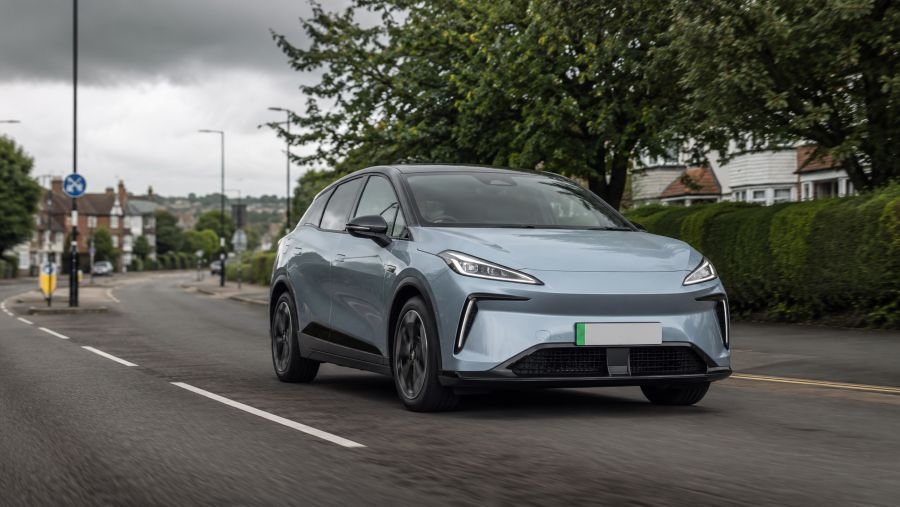
Chinese automotive manufacturers have fundamentally transformed the electric vehicle landscape by proving that affordability and quality aren’t mutually exclusive. Companies like BYD, MG, and XPeng invested heavily in research and development over the past decade, creating vertical supply chains that reduce production costs without sacrificing build quality or technological advancement. This efficiency advantage directly translates to customers purchasing feature-rich vehicles at significantly lower price points than comparable European or American alternatives.
The strategic positioning of these manufacturers in the global market has created a unique opportunity for UK consumers. Rather than compromising on essential features like battery technology, safety systems, or digital interfaces, Chinese brands deliver comprehensive packages that include advanced driver assistance systems, over-the-air software updates, generous warranties, and impressive power delivery. The competitive pressure from these newcomers has also forced established automotive brands to reconsider pricing strategies across their EV portfolios.
The Cost Advantage of Vertical Integration
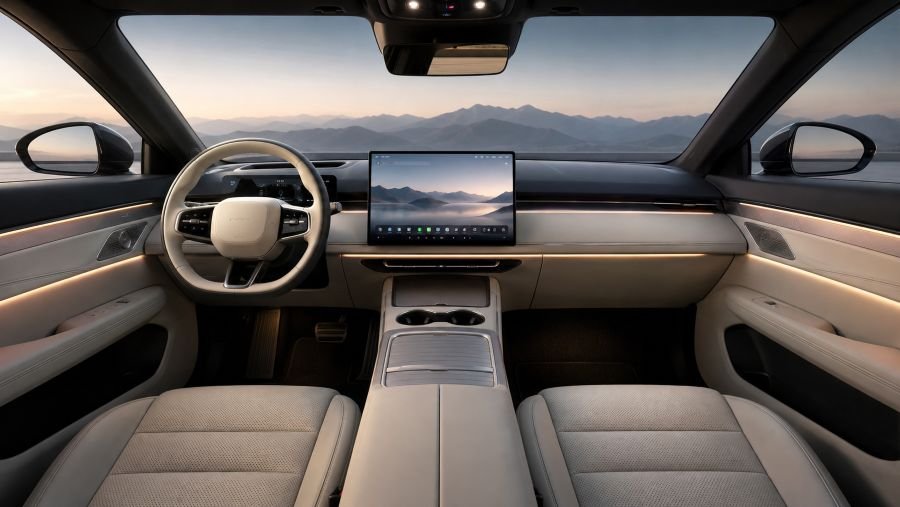
- Battery Manufacturing Control: Companies like BYD produce their own battery cells and packs, eliminating middleman costs and ensuring quality consistency across production lines. This vertical integration allows them to offer larger battery capacities at lower prices compared to brands reliant on third-party suppliers.
- Manufacturing Efficiency: Chinese manufacturers operate state-of-the-art facilities using advanced robotics and automation, reducing labor costs without compromising precision engineering. Their streamlined production processes enable faster vehicle development cycles and rapid iteration based on customer feedback.
- Supply Chain Optimization: Direct relationships with component suppliers in Asia create cost advantages that remain difficult for European manufacturers to replicate. This efficiency translates directly into lower retail prices without requiring dealers to compromise on margins.
- Scaled Technology Platforms: By selling millions of vehicles annually across multiple markets, Chinese brands amortize research and development costs across larger production volumes, allowing them to invest in cutting-edge technology while maintaining competitive pricing.
Top Chinese Electric Cars Under £30,000: Detailed Comparison
The affordable Chinese electric vehicle segment now includes several compelling options, each catering to different preferences regarding range, performance, interior space, and technological sophistication. Understanding the unique strengths and characteristics of each model helps identify the perfect fit for your driving needs, lifestyle, and budget. The following selection represents the most popular and capable vehicles currently available in the UK market under the £30,000 price threshold.
MG4: The Affordable Hatchback Champion
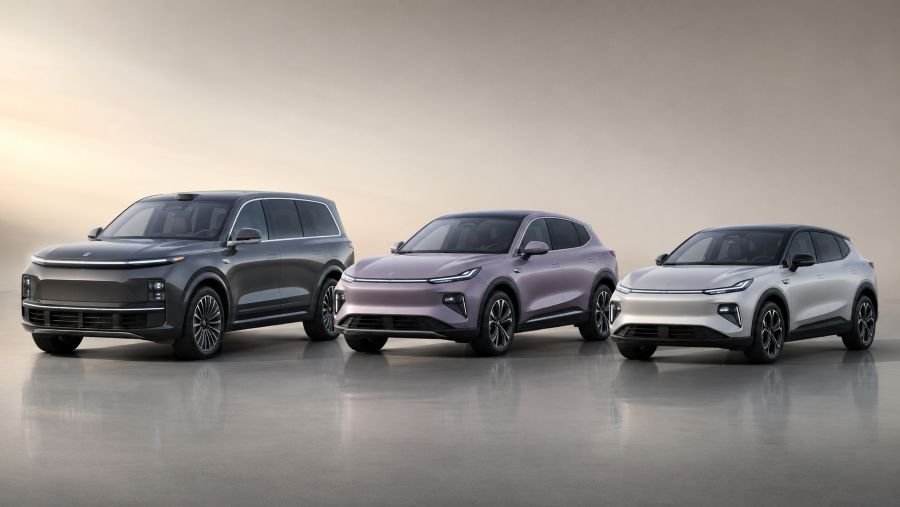
The MG4 has emerged as the standout affordable electric vehicle in the UK market, combining practical hatchback proportions with impressive battery technology and attractive pricing. This compact car appeals to first-time electric vehicle buyers who want reliability, low running costs, and modern conveniences without excessive complexity. The MG4 Standard has established itself as the UK’s best-selling affordable electric vehicle, validating the market demand for accessible, practical electric transportation.
Available with either 51kWh or 64kWh battery options, the MG4 delivers real-world driving ranges of approximately 290 kilometres and 450 kilometres respectively. The performance is surprisingly spirited for the price point, with brisk acceleration suitable for urban driving and confident motorway cruising. The standard equipped interior includes an eight-inch touchscreen with Apple CarPlay and Android Auto, climate control, and adequate storage compartments. Build quality reflects current industry standards, with solid panel gaps, responsive controls, and a reassuring driving position that suits drivers of varying heights.
Charging times prove reasonable—a standard 7kW home charger delivers a full charge in approximately 10 hours with the smaller battery, extending to around 13 hours with the larger battery. Public rapid charging networks can deliver 80% capacity in roughly 45 minutes, suitable for road trips or destination charging during shopping excursions. The warranty structure includes 8 years or 160,000 kilometres of battery coverage, providing substantial peace of mind during the ownership period.
BYD Yuan Plus: Chinese Technology Leadership
The BYD Yuan Plus represents a significant step forward in technology integration and battery innovation, showcasing BYD’s position as the world’s largest EV battery manufacturer. This compact SUV combines assured quality with sophisticated powertrains and comprehensive technological features that typically appear in vehicles commanding significantly higher prices. The Yuan Plus demonstrates that affordable pricing and cutting-edge technology aren’t contradictory—BYD’s vertical supply chain integration makes this economic equation possible.
The distinctive design features sharp creases, modern LED lighting treatments, and a planted stance that conveys premium proportions despite the budget-conscious price point. Inside, the cabin impresses with high-quality materials, an impressive 12.8-inch rotating touchscreen display, and comprehensive driver assistance systems including adaptive cruise control and automatic parking assistance. The panoramic sunroof available on certain trims elevates the perceived luxury without adding excessive cost to the final purchase price.
The Yuan Plus offers approximately 480 kilometres of real-world range with the standard battery configuration, sufficient for most UK driving patterns without requiring frequent charging anxiety. The electric motor delivers smooth, predictable power delivery suitable for both city navigation and motorway driving. The five-star Euro NCAP safety rating confirms that this affordable vehicle meets the highest international safety standards, incorporating six airbags, stability control, and advanced brake systems as standard equipment.
XPeng G3 Compact SUV: Smart Features at Affordable Prices
XPeng’s commitment to electric vehicle leadership extends to their affordable offerings, with the G3 compact SUV delivering intelligent features typically reserved for premium pricing. The company’s focus on autonomous driving technology and software sophistication creates differentiation in the increasingly crowded affordable EV market. XPeng vehicles appeal to technology-forward consumers who value software updates, connectivity features, and driving assistance capabilities over traditional luxury appointments.
The G3’s exterior proportions strike a practical balance between compactness and usable interior space, offering three rows of seating—though the third row suits short journeys or children rather than full-sized adults. The familiar SUV silhouette resonates with UK consumers accustomed to traditional vehicle types, easing the transition to electric propulsion. The sophisticated driver assistance suite includes a 360-degree parking camera, blind spot monitoring, and adaptive headlights that adjust for night driving conditions.
Interior comfort exceeds expectations for the price point, with supportive seats, logical control layouts, and practical storage compartments. The infotainment interface responds quickly to commands and integrates seamlessly with smartphones for navigation, music streaming, and communication functions. The estimated 480-kilometre driving range provides confidence for weekly commutes and occasional weekend excursions without range anxiety complications.
| Model | Battery Capacity | Range (WLTP) | Starting Price | Key Feature |
|---|---|---|---|---|
| MG4 | 51kWh / 64kWh | 290km / 450km | £17,995 | Best Value Hatchback |
| BYD Yuan Plus | 50kWh / 60kWh | 400km / 480km | £22,500 | Technology Innovation |
| XPeng G3 | 50kWh / 60kWh | 400km / 480km | £24,200 | Autonomous Driving Focus |
| NIO ET5 | 70kWh / 100kWh | 500km / 700km | £26,800 | Premium Specifications |
| Li Auto Mega | 44.5kWh + ICE | 1000km (hybrid) | £27,300 | Extended Range Hybrid |
💡 Pro Tip: Consider the annual mileage and charging infrastructure available at your residence or workplace before selecting a specific model. Vehicles with larger batteries offer greater convenience for high-mileage drivers, while compact batteries suit urban commuters with regular home charging access. Test drive multiple options to assess comfort, visibility, and driving dynamics that align with your personal preferences.
Understanding Battery Technology and Real-World Performance
Battery technology represents the most critical purchasing consideration for electric vehicle selection, directly affecting range, charging speed, longevity, and overall ownership satisfaction. Modern Chinese manufacturers employ lithium iron phosphate (LFP) and nickel-based battery chemistry, each presenting distinct advantages and trade-offs. Understanding these differences empowers informed decision-making aligned with your specific driving requirements and usage patterns.
Lithium iron phosphate batteries, championed by BYD and increasingly adopted across the industry, offer superior thermal stability, longer cycle life exceeding 1,000 charge cycles, and reduced fire risk compared to nickel-based alternatives. These characteristics translate to warranties extending 8-10 years and retention of 80% capacity after lengthy ownership periods. The slightly lower energy density means LFP batteries are physically larger but provide unmatched reliability and safety credentials that appeal to conservative buyers prioritizing peace of mind.
Nickel-based lithium batteries, utilized by XPeng and other manufacturers, achieve higher energy density enabling greater range from smaller, lighter battery packs. This efficiency advantage particularly benefits highway driving and long-distance travel. However, nickel batteries require sophisticated thermal management systems to maintain optimal operating temperatures and prevent degradation. The trade-off between range optimization and complexity appeals to technology-forward drivers comfortable with sophisticated management systems and eager to maximize efficiency.
Charging Infrastructure and Practical Ownership Implications
- Home Charging Installation: Most owners install a dedicated 7kW or 11kW charger at their residence, requiring modest electrical work and investment between £500-£1,200. This infrastructure transforms EV ownership from inconvenient to seamless, enabling overnight charging that starts each day with a full battery. The return on investment materializes through reduced range anxiety and elimination of petrol station visits.
- Public Rapid Charging Networks: The UK now features approximately 35,000 public charging points, with accelerating growth in rapid charging infrastructure supporting 50kW+ charging capabilities. Apps like PlugShare and InstaVolt simplify locating convenient charging locations during road trips or destination charging requirements. Network redundancy ensures that charger availability limitations increasingly become non-issues in populated areas.
- Workplace Charging Advantages: Progressive employers increasingly install workplace charging facilities, with some offering subsidized or complimentary charging to employees. Combining home charging with workplace facilities virtually eliminates range limitations for normal commuting patterns, delivering maximum ownership satisfaction without specialist planning.
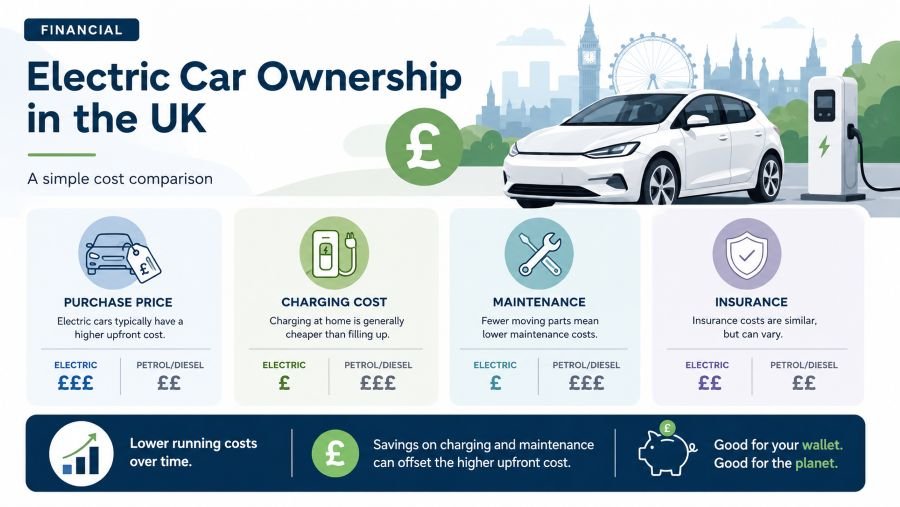
- Charging Cost Economics: Electricity costs approximately one-third the price of petrol on a per-kilometre basis, generating substantial fuel savings that offset higher vehicle purchase prices within 2-3 years for average-mileage drivers. These cumulative savings establish EVs as economically superior transportation solutions even before considering reduced maintenance requirements.
Financial Incentives and Real-World Cost Calculations
Evaluating electric vehicle affordability requires examining total ownership costs rather than focusing exclusively on purchase price. While Chinese vehicles start at genuinely accessible price points, understanding available government incentives, insurance implications, fuel savings, and maintenance advantages reveals the compelling long-term financial case for transitioning to electric transportation.
The UK government’s Plug-in Car Grant, though reduced from previous generosity, continues supporting vehicle purchases below certain price thresholds. Vehicles meeting efficiency standards potentially qualify for grants reducing purchase prices by £2,500-£3,500 depending on current scheme specifications. These substantial rebates effectively lower net purchase prices to extraordinarily competitive levels, making previously unattainable ownership models suddenly accessible to budget-conscious buyers. Checking current eligibility before purchase ensures capture of available financial assistance.
Insurance premiums for electric vehicles have normalized significantly, often matching or occasionally undercutting comparable petrol vehicles as underwriters accumulate accident and claims data. The combination of lower speeds (due to early safety systems intervention), robust structural design, and reduced mechanical complexity contributes to favourable insurance outcomes. Some insurers specifically incentivize electric vehicle adoption through premium reductions or loyalty bonuses, effectively subsidizing the transition to sustainable transportation.
Annual road tax (VED) legislation provides complete exemption for pure electric vehicles registered after 1 April 2017, generating substantial savings compared to petrol equivalents. A vehicle typically incurring £150-£200 annual tax generates cumulative savings of £1,500-£2,000 over 10-year ownership periods. Combined with reduced fuel costs and minimal maintenance requirements, these advantages establish compelling financial superiority compared to traditional combustion vehicles.
Safety, Reliability, and Warranty Considerations
Concerns about Chinese automotive quality and safety standards deserve serious examination but increasingly reflect outdated perceptions rather than current reality. Modern Chinese manufacturers subject vehicles to identical Euro NCAP safety testing protocols as European brands, often achieving five-star ratings that exceed certain European marques. BYD’s Yuan Plus achieved maximum Euro NCAP scores, demonstrating that affordable pricing doesn’t necessitate safety compromise.
Build quality has improved dramatically, with careful observation revealing attention to panel alignment, paint consistency, and interior material selection matching vehicles at substantially higher price points. Manufacturing occurs in modern facilities incorporating advanced robotic assembly, quality checkpoints, and rigorous testing protocols. The combination of vertical supply chain control and scale economies enables quality assurance that European competitors struggle to match at comparable price points.
Warranty provisions offer reassurance regarding mechanical reliability and support vehicle longevity. Comprehensive 5-8 year battery warranties covering capacity degradation and failure scenarios extend far beyond industry minimums, reflecting manufacturer confidence in product longevity. Powertrain warranties covering electric motors and transmission systems typically extend 5-7 years, providing substantial peace of mind during critical ownership phases. Manufacturer-authorized service networks now operate across major UK cities, ensuring convenient access to skilled technicians familiar with electric vehicle maintenance requirements.
⚠️ Important Note: Purchase electric vehicles exclusively through authorized UK dealerships rather than parallel import channels or grey market suppliers. Official channels provide manufacturer warranties, access to proper maintenance facilities, and regulatory compliance assurance. Vehicles obtained through unauthorized suppliers may not qualify for government incentives, struggle with warranty claims, and potentially face homologation complications.
Practical Ownership Advice for First-Time EV Buyers
Transitioning from petrol vehicles to electric propulsion requires modest psychological adjustment despite dramatic technological simplification. Understanding practical ownership realities and expectations management ensures genuine satisfaction rather than disappointment from misaligned assumptions.
Accept that home charging fundamentally transforms the ownership experience from inconvenient to seamless. The difference between commuting in a vehicle that starts each day fully charged versus relying on public charging networks cannot be overstated. Prioritize securing dedicated home charging infrastructure—the modest investment returns exceptional convenience benefits and represents the single most impactful upgrade for EV ownership satisfaction.
Range anxiety typically diminishes significantly once you understand actual driving patterns and charging logistics. Most UK commutes total less than 50 kilometres daily, and even economy-tier batteries deliver sufficient range for weekly or biweekly charging cycles. Road trip planning requires modest adaptation, but expanding rapid charging networks make multi-hundred-kilometre journeys increasingly straightforward without elaborate logistics.
Regenerative braking requires conscious habit modification—lifting off the accelerator earlier than petrol vehicle operation initiates gentle deceleration that captures kinetic energy. This driving technique reduces mechanical brake wear dramatically, extending service intervals and reducing maintenance costs. Understanding and embracing this driving characteristic optimizes efficiency and reveals the elegant engineering underlying electric propulsion systems.
Selecting the Right Model for Your Specific Needs
Optimal vehicle selection balances budget constraints, driving patterns, lifestyle requirements, and personal preferences. The affordable Chinese EV segment offers sufficient variety that nearly every prospective buyer discovers suitable options.
Budget-conscious urban dwellers prioritizing absolute cost minimization and compact proportions gravitate naturally toward the MG4 Standard. The starting price below £18,000 after government incentives delivers accessible electric vehicle ownership, and the practical hatchback format suits city navigation and parking constraints. The smaller battery suffices for commutes under 100 kilometres daily with regular home charging access.
Buyers desiring technology integration, autonomous driving features, and comprehensive safety systems find compelling value in the XPeng G3 or BYD Yuan Plus. These models justify modest premium pricing through software sophistication, connectivity features, and driving assistance capabilities that enhance everyday convenience and safety outcomes. The compact SUV format appeals to families seeking versatility without full-size vehicle footprint requirements.
Long-distance commuters and drivers covering excessive annual mileage should prioritize larger battery capacities available with NIO ET5 or Li Auto Mega models, ensuring sufficient range to minimize charging frequency. Premium specifications and luxury appointments justify higher pricing for drivers who appreciate interior refinement and advanced amenities.
FAQ: Best Chinese Electric Cars Under £30,000
What are the cheapest Chinese electric cars available in the UK?
The most affordable Chinese electric vehicles under £30,000 in the UK include the MG4 (starting £17,995), BYD Yuan Plus (from £22,500), and XPeng G3 (from £24,200). These models offer excellent value for money with modern features, reliable powertrains, and competitive warranties. Prices vary depending on trim levels, battery capacity, and current manufacturer promotions or dealer incentives.
Are Chinese electric cars reliable and safe?
Yes, modern Chinese electric cars undergo rigorous safety testing and meet international standards. Brands like BYD, MG, and XPeng have established strong reputations for quality and safety, with many achieving five-star Euro NCAP ratings. They offer comprehensive warranties, advanced driver assistance systems (ADAS), and are backed by thorough after-sales support through authorized UK dealership networks.
What is the driving range of these affordable Chinese EVs?
Most Chinese electric cars under £30,000 offer a driving range between 290-500 kilometres on a full charge, depending on battery capacity and model. The MG4 provides up to 450km with the larger battery, while the BYD Yuan Plus reaches approximately 480km. Real-world range varies based on driving conditions, weather, route terrain, and individual driving style.
How long does it take to charge these vehicles?
Charging times depend on the charger type. Using a standard home charger (7kW), most budget Chinese EVs take 8-13 hours for a full charge. With a public rapid charger (50kW+), you can achieve 80% capacity in approximately 30-45 minutes. Ultra-rapid chargers (150kW+) can deliver similar results in shorter timeframes. Actual charging duration depends on battery capacity, charger power output, and ambient temperature conditions.
Do these cars qualify for UK government incentives?
Most Chinese electric vehicles qualify for UK plug-in car grant assistance and 100% road tax (VED) exemption. The plug-in car grant provides £2,500-£3,500 reductions on eligible vehicles, though eligibility depends on final selling price and specific model specifications. Check the latest government scheme on the official website for current incentive details, as programs periodically change. Many dealerships also offer manufacturer incentives, free charging installation, and extended warranty programs to enhance overall value propositions.
What maintenance costs should I expect for Chinese EVs?
Electric vehicles require substantially less maintenance than petrol equivalents, typically saving £500-£1,000 annually on servicing and repairs. Absent engine oil changes, spark plugs, and transmission fluid maintenance, EV upkeep focuses on battery health monitoring, brake fluid checks, and coolant replacement. Most manufacturers include extended warranty coverage for critical components, effectively eliminating major repair costs during extended ownership periods.
Can I install a home charging point, and how much does it cost?
Yes, installation of a dedicated 7kW home charger typically costs £500-£1,200 including equipment and electrical work. The UK government’s Electric Vehicle Homecharge Scheme previously provided substantial subsidies, though current availability depends on eligibility criteria. Many manufacturers include free charger installation with vehicle purchase. Professional installation by certified electricians ensures safety, compliance with building regulations, and optimal performance.
How do Chinese EV prices compare to European electric vehicles?
Chinese electric vehicles command significant price advantages over comparable European alternatives. For example, a BYD Yuan Plus delivering similar range and features to a Volkswagen ID.4 costs approximately £5,000-£8,000 less. This pricing advantage reflects vertical supply chain integration, manufacturing efficiency, and business model differences rather than quality reduction. The gap widens dramatically when comparing affordable Chinese models to premium European EVs.
The Future of Affordable Electric Vehicles in the UK
Chinese manufacturers continue expanding their UK market presence, with investment in local manufacturing, service networks, and dealer infrastructure signalling serious long-term commitment. Additional models enter the market annually, widening options across vehicle categories, price points, and performance specifications. The competitive pressure from Chinese brands increasingly forces established European manufacturers to justify premium pricing through genuine differentiation rather than brand heritage alone.
Battery technology continues advancing rapidly, with solid-state chemistries and enhanced energy density promising even greater range and faster charging in coming years. Chinese manufacturers’ substantial research investments position them at the vanguard of battery innovation, potentially delivering next-generation technology to mainstream consumers before European competitors. This technological leadership combined with manufacturing efficiency suggests Chinese brands will maintain price advantages and expand market share across Europe.
Government policy supporting electric vehicle adoption through tax incentives, charging infrastructure investment, and combustion engine phase-out timelines creates tailwinds for EV market growth. Expanding charging networks and falling battery costs accelerate the economic inflection point where electric vehicles achieve price parity with petrol vehicles without government support. This fundamental shift will reshape vehicle purchasing calculus and establishment Chinese manufacturers as permanent automotive landscape fixtures.
Conclusion: Affordable Electric Excellence
The arrival of genuinely affordable, feature-rich Chinese electric vehicles has democratized electric vehicle ownership in ways that established manufacturers failed to achieve. Starting at under £18,000 and delivering impressive range, modern amenities, solid build quality, and comprehensive warranties, these vehicles represent exceptional value that transcends simple price comparison. The combination of government incentives, operational cost savings, and reliability improvements establishes electric vehicles as economically superior transportation choices even before considering environmental benefits.
Whether you’re transitioning from petrol vehicles for environmental reasons, seeking to minimize transportation costs, or simply embracing automotive technology advancement, affordable Chinese electric vehicles deliver compelling solutions. The expanding charging infrastructure, growing dealership networks, and manufacturer warranty provisions ensure convenient ownership without specialist expertise or excessive planning. The electric vehicle revolution has genuinely arrived at prices accessible to ordinary buyers, transforming sustainability from aspirational luxury to practical economic choice.
Test driving multiple options across the price range empowers informed decision-making aligned with your specific requirements, preferences, and circumstances. Consider annual mileage patterns, charging infrastructure availability, interior preferences, and technology priorities when evaluating vehicles. The diversity of available models virtually guarantees discovering a perfect fit that balances budget constraints with desired features, capabilities, and long-term ownership satisfaction.