Polestar 4 vs Tesla Model Y: Chinese-Owned EV vs American Favorite
Few rivalries capture the new shape of the electric car market quite like the Polestar 4 versus the Tesla Model Y. On one side sits the Model Y, the best-selling electric vehicle on the planet, designed and built in the United States and treated by millions of buyers as the default electric SUV. On the other stands the Polestar 4, a sleek, Chinese-owned newcomer with Swedish styling, daring engineering and a price tag aimed at the premium end of the segment.
This comparison cuts through the marketing to answer the question shoppers actually care about: which of these two electric SUVs deserves your money? We line them up on price, range, charging, performance, design and technology, then deliver a clear verdict on who should buy which car.
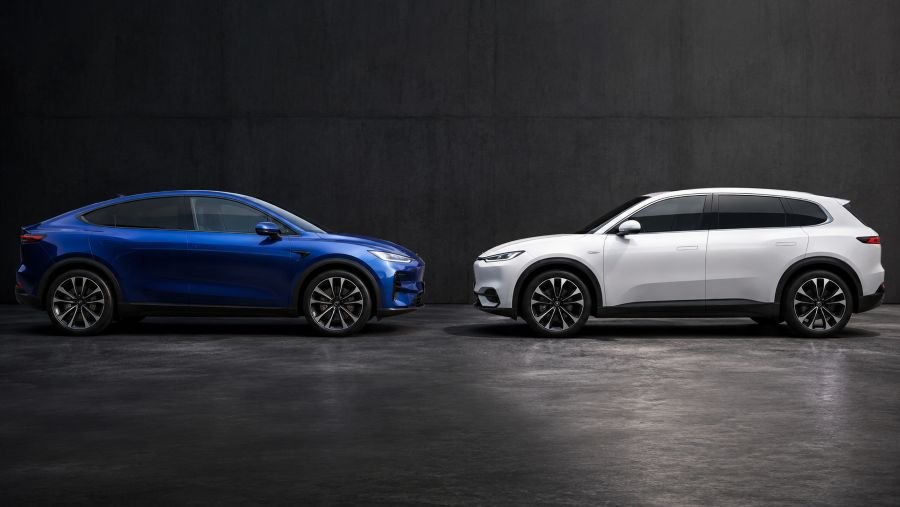
Before diving into the numbers, it helps to understand what each badge really represents in 2026. The Tesla Model Y, now in its second generation and updated under the Juniper program, is built in Austin, Texas, and Fremont, California. It is as American as electric cars get, and its scale is staggering: the Model Y has outsold long-running gas favorites such as the Toyota RAV4. The Polestar 4, by contrast, is a study in globalization, and its origin story is more complicated than a simple label suggests.
If you would rather see these two electric SUVs compared side by side first, the video below runs through the key differences in price, range, design and technology before we break each one down in detail.
With that context set, the sections below compare the Polestar 4 and Tesla Model Y point by point, starting with where each car comes from and ending with a clear verdict on which one is right for you.
The Big Picture: Chinese-Owned, Korean-Built, Swedish-Designed
Polestar is owned by China’s Geely Group, the same conglomerate that controls Volvo, which makes the Polestar 4 a Chinese-owned vehicle at the corporate level. It rides on Geely’s electric platform, shared with other group products. Yet the brand’s identity is thoroughly Scandinavian, with minimalist styling and a design language that traces back to its Swedish roots. In other words, the “Chinese” part of this story is about ownership and engineering, not about where the car is screwed together.
That distinction matters more than ever in the United States. To sidestep the steep tariffs America imposes on Chinese-built electric vehicles, Polestar moved production of US-bound Polestar 4 models out of China and into Renault’s plant in Busan, South Korea. So while the Model Y carries a straightforward “Made in USA” story, the Polestar 4 is best described as Swedish-designed, Chinese-owned and Korean-built. For buyers who care about both geopolitics and value, that nuance is central to the whole comparison.
Pricing and Value: Tesla’s Clear Advantage
If your decision comes down to the sticker price, the Tesla Model Y wins decisively. The Model Y lineup opens in the mid-forty-thousand-dollar range for the rear-wheel-drive version and stretches up to roughly 57,990 dollars for the top Performance trim. That breadth lets Tesla capture mainstream and premium buyers with a single nameplate.
The Polestar 4 plays in a higher bracket. It starts at around 56,400 dollars including destination for the Long Range Single Motor, with the all-wheel-drive Dual Motor stepping up from there and the loaded Dual Motor Performance climbing past 74,000 dollars. Notably, Polestar trimmed the 4’s launch pricing by roughly 10,000 dollars compared with its original announcement, which makes it more competitive than it once looked. Even so, the cheapest Polestar 4 costs about what a mid-level Model Y does, so Tesla simply offers more car for the money on paper.
Range, Battery and Charging
This is where the two get closer than the price gap suggests. The Polestar 4 uses a sizeable battery of around 100 kilowatt-hours, and the single-motor version is rated for up to roughly 310 miles of range. The dual-motor all-wheel-drive model trades some of that distance for performance, landing closer to 270 to 280 miles. The Tesla Model Y counters with up to about 327 miles in Long Range All-Wheel-Drive form on its standard wheels, helped by Tesla’s renowned efficiency.
The charging gap you should know about
- The Tesla Model Y uses a native NACS port, plugging directly into the vast Supercharger network with no adapter required.
- The Polestar 4 uses a CCS1 port, so it needs a NACS-to-CCS1 adapter to access Superchargers, adding a small layer of friction.
- Both cars fast-charge competitively, with the Polestar 4 accepting up to 200 kW and completing a 10 to 80 percent session in about 30 minutes.
- For drivers who rely heavily on public charging, Tesla’s seamless network access remains one of its strongest practical advantages.
Performance and Driving Feel
On paper, the Polestar 4 brings serious firepower. Its dual-motor configuration produces around 544 horsepower and 506 pound-feet of torque, enough to make this coupe-SUV genuinely quick and to give it a planted, premium driving character. The single-motor version, with about 272 horsepower sent to the rear wheels, is more relaxed but still smooth and refined. Reviewers consistently praise the Polestar 4’s composed ride and high-quality feel behind the wheel.
The Tesla Model Y, meanwhile, leans on Tesla’s mature powertrain engineering. Even the standard versions feel brisk, and the Performance trim is properly fast. Where Tesla pulls ahead is in the totality of the experience: instant response, a deep well of software-driven features, and a driving position that millions of owners already find familiar. The Polestar arguably feels more luxurious and more European; the Tesla feels sharper as a technology product. Neither disappoints, but they cater to different tastes.
Design and Interior: Daring vs Familiar
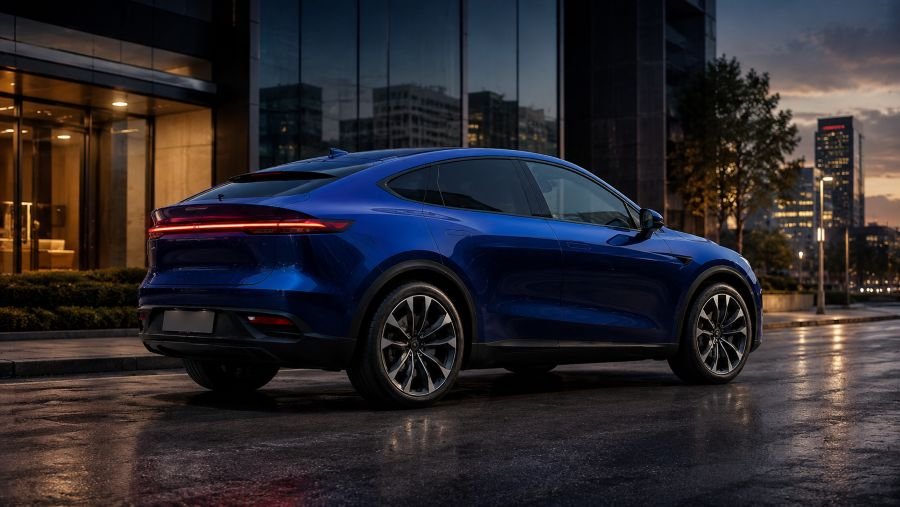
Design is where these two diverge most dramatically. The Polestar 4 is one of the boldest shapes in the segment, with split front headlights, a low, crouched stance and, most famously, no rear window at all. Polestar replaced the rear glass with a roof-mounted camera feeding a digital rearview mirror, freeing up a more spacious and airy rear cabin. It is a polarizing choice. Some reviewers find it liberating, while others find the lack of a traditional rear view unsettling in daily use.
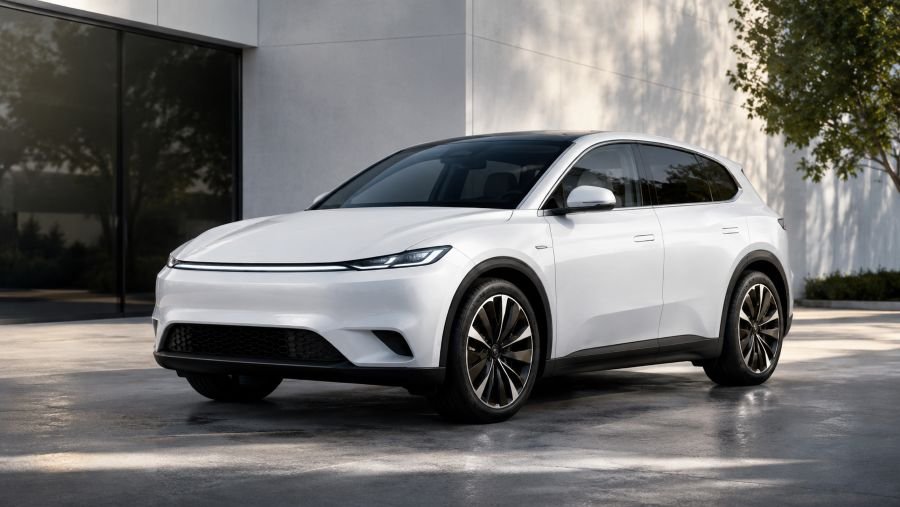
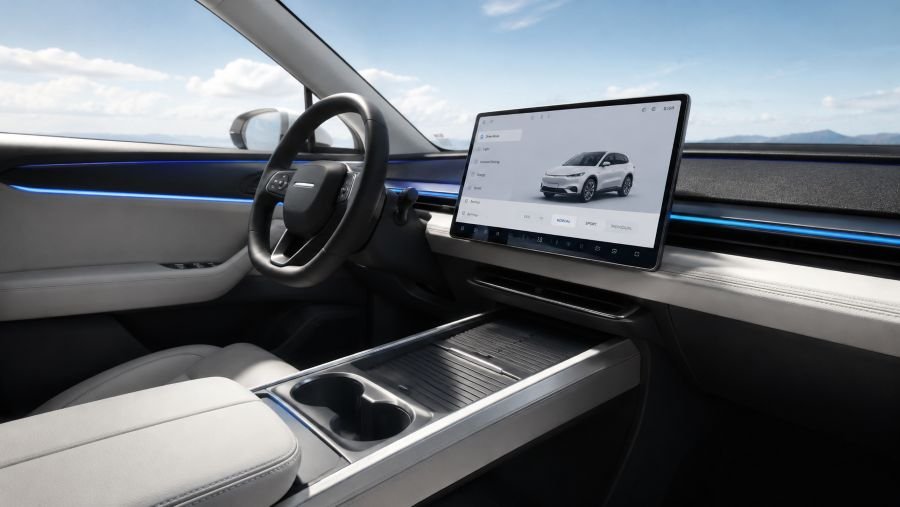
The second-generation Model Y is far more conventional, and that is part of its appeal. Its updated front end is sleeker and more aerodynamic, the cabin is quieter thanks to added sound insulation and acoustic glass, and the interior gains a rear-seat screen and improved materials. Inside both cars, physical buttons are scarce; nearly everything routes through a large central touchscreen. The Polestar 4 pairs a 15.4-inch display with a separate driver cluster, while the Model Y keeps its trademark single-screen minimalism. Buyers who want flair will gravitate to the Polestar; those who want proven, fuss-free familiarity will feel at home in the Tesla.
Technology and Software
Both SUVs are rolling computers, but their digital personalities differ. The Polestar 4 leans on Google built-in, with Google Assistant, Google Maps and the Play Store baked into the dashboard, plus Apple CarPlay support. It is a polished, intuitive system that feels open and familiar to anyone living in the Google ecosystem. The Tesla Model Y runs Tesla’s own tightly integrated operating system, now enhanced with the Grok conversational assistant, and benefits from the company’s long head start in over-the-air updates and driver-assistance software.
Tesla’s ecosystem advantage is hard to overstate. Frequent updates, mature navigation tied to charging, and the optional Full Self-Driving package give the Model Y a sense of constant evolution. The Polestar counters with a calmer, more conventional approach that some buyers will prefer precisely because it does not try to reinvent how a car works. Here, the better choice depends entirely on whether you see your car as a gadget or as a refined appliance.
Polestar 4 vs Tesla Model Y: Head-to-Head
The table below distills the core differences between these two electric SUVs into a single quick-reference snapshot. Figures are approximate and vary by trim, options and the latest pricing updates.
| Category | Polestar 4 | Tesla Model Y |
|---|---|---|
| Brand origin | Chinese-owned (Geely), Swedish design | American (Tesla) |
| Where built (US market) | Busan, South Korea | Austin, TX & Fremont, CA |
| Starting price | ~$56,400 | ~mid-$40,000s |
| Max range (approx.) | Up to ~310 miles | Up to ~327 miles |
| Top power output | ~544 hp (Dual Motor) | Strong, Performance trim quickest |
| Charging port | CCS1 (adapter for Superchargers) | NACS (native Supercharger) |
| Infotainment | Google built-in + CarPlay | Tesla OS + Grok AI |
| Signature trait | No rear window, coupe styling | Best-selling EV, huge network |
💡 Pro Tip: If public charging is central to your routine, factor the charging network into your decision as heavily as range. The Tesla Model Y’s native access to Superchargers can save you real time and hassle on road trips, while the Polestar 4 will need an adapter to tap the same stations.
Who Should Buy Which?
The choice ultimately reflects your priorities rather than a simple winner-takes-all verdict. The Tesla Model Y is the smarter buy for most shoppers who want maximum value, the longest effective range, effortless charging and a constantly improving software experience. It is the safe, sensible and frankly excellent default in this class, which is exactly why it sells in such enormous numbers.
The Polestar 4 makes the stronger case for buyers who want something different. If you crave a more luxurious, more European feel, head-turning coupe styling, and a calmer Google-based interface, the Polestar rewards you with genuine character. You will pay more and accept a few compromises, such as the adapter requirement and the love-it-or-hate-it rear window, but you get a car that stands apart in a sea of conformity.
⚠️ Important Note: Electric vehicle pricing, federal incentives and even where a model is assembled can change quickly, especially as tariff policy evolves. The Polestar 4’s eligibility for incentives and its country of assembly may shift over time. Always confirm the latest pricing, range ratings and tax-credit status directly with each automaker before you buy.
FAQ: Polestar 4 vs Tesla Model Y
Is the Polestar 4 a Chinese car?
Polestar is a Chinese-owned brand, since it belongs to the Geely Group, and it uses Geely’s electric platform. However, the design is Swedish, and the Polestar 4 destined for the US market is now assembled in Busan, South Korea, after production was moved from China to reduce exposure to American tariffs.
Which is cheaper, the Polestar 4 or the Tesla Model Y?
The Tesla Model Y is significantly cheaper to start. The Model Y opens in the mid-forty-thousand-dollar range, while the Polestar 4 begins around 56,400 dollars including destination and climbs past 74,000 dollars for the loaded Performance variant. Tesla clearly wins on entry price.
Which electric SUV has more range?
The two are closely matched at the top. The single-motor Polestar 4 is rated for up to about 310 miles, while the Tesla Model Y Long Range All-Wheel Drive reaches up to 327 miles. The Tesla generally holds a slight efficiency advantage, which can translate into more usable range in everyday driving.
Why does the Polestar 4 have no rear window?
Polestar deliberately removed the rear glass to allow a sleeker, more aerodynamic coupe roofline and a more spacious rear cabin. Drivers see behind the car through a roof-mounted camera that feeds a digital rearview mirror. It is one of the most divisive design choices on any current electric SUV.
Can the Polestar 4 use Tesla Superchargers?
Yes, but with an adapter. The Polestar 4 uses a CCS1 charging port rather than Tesla’s native NACS connector, so it needs a NACS-to-CCS1 adapter to access Supercharger stalls. The Tesla Model Y plugs straight into the Supercharger network without any adapter, which remains a real convenience advantage.
The Verdict
This rivalry is closer than the price gap implies, but it does not end in a tie. As an all-round package, the Tesla Model Y remains the benchmark electric SUV, combining value, range, charging convenience and software depth in a way that is genuinely hard to beat. For the majority of buyers, it is the rational choice and a thoroughly accomplished one.
Yet the Polestar 4 proves that the Chinese-owned challengers are no longer cheap imitations chasing the leader. It is a polished, distinctive and confident luxury EV that offers something the Tesla does not: a sense of occasion and individuality. If the Model Y is the head’s choice, the Polestar 4 is increasingly the heart’s. Either way, the fact that this contest is so competitive tells you everything about how fast the electric era is reshaping the automotive world.