New Chinese Electric Cars Coming to Europe in 2026
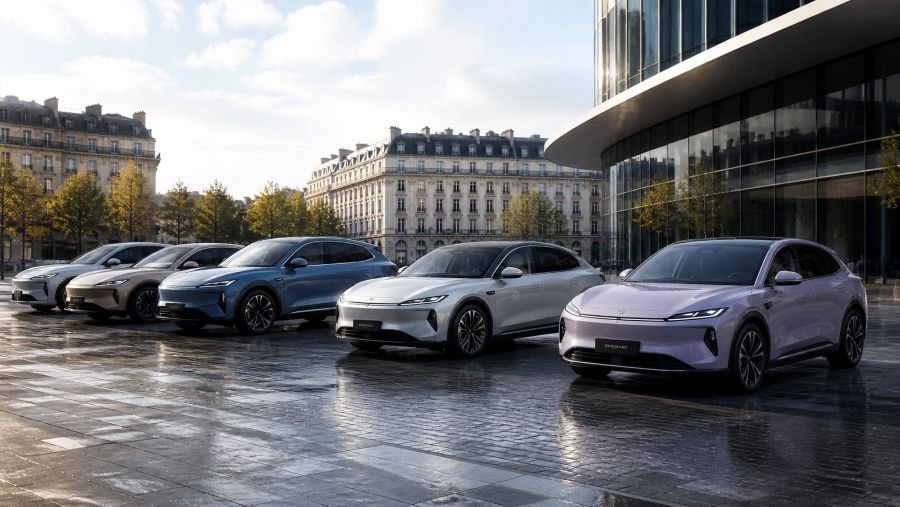
Europe’s electric car market is entering one of its most important years. The arrival of new Chinese electric cars in Europe in 2026 is not just another product wave; it is a direct challenge to the way European buyers think about price, range, software, charging speed, design, and ownership value. Chinese brands are no longer arriving as unknown outsiders with experimental models. They are entering Europe with stronger dealer networks, localized products, advanced battery platforms, and a clearer understanding of what European customers actually want.
The most important change is that Chinese manufacturers are becoming more strategic. Instead of simply exporting models designed mainly for China, brands such as BYD, MG, XPeng, Leapmotor, Omoda, Jaecoo, NIO, and Zeekr are increasingly adapting vehicles for European road conditions, design preferences, safety expectations, and charging behavior. This means 2026 could be the year when Chinese EVs move from being interesting alternatives to becoming mainstream choices.
Watch: New Chinese Electric Cars Coming to Europe in 2026
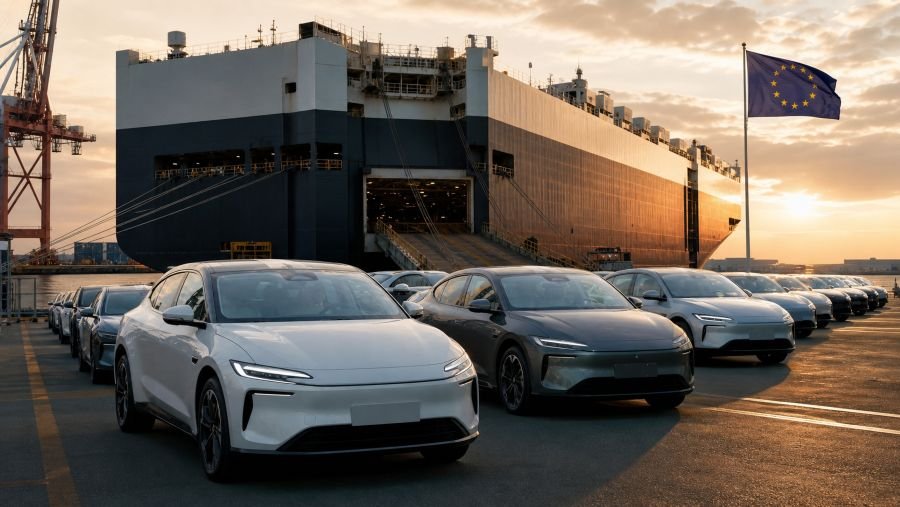
Why 2026 Matters for New Chinese Electric Cars in Europe
The phrase New Chinese Electric Cars Coming to Europe in 2026 matters because the market is no longer waiting for early proof. Chinese EVs have already shown that they can compete on technology, efficiency, safety, and price. What changes in 2026 is scale. More brands are entering more countries, more models are being adapted for European tastes, and more vehicles are arriving through stronger retail and service partnerships.
European buyers are also changing. A few years ago, many customers were unsure about Chinese car brands because of badge recognition, resale value, servicing, and safety concerns. Today, those concerns still exist, but they are less powerful. Strong Euro NCAP results, competitive warranties, growing dealer networks, and high equipment levels have made Chinese EVs easier to consider. At the same time, European buyers remain price-sensitive, especially as many traditional EVs still feel expensive compared with petrol and hybrid alternatives.
Another reason 2026 is important is regulation. EU tariffs, local production strategies, and supply-chain rules are pushing Chinese manufacturers to think beyond shipping cars from China. Some brands are using European assembly, local partnerships, or regional engineering input to reduce risk and improve acceptance. This is why the next wave of Chinese EVs is likely to feel more mature than the first wave.
Top New Chinese Electric Cars Coming to Europe in 2026
Not every model has the same level of confirmation for every European country, and launch timing can vary by market. However, several groups of vehicles are clearly shaping the 2026 conversation: affordable hatchbacks, compact family SUVs, smart electric crossovers, premium sedans, lifestyle SUVs, and high-performance EVs. Below are the brands and model categories to watch most closely.
| Brand | Expected 2026 Focus in Europe | Why It Matters |
|---|---|---|
| BYD | Expanded EV and plug-in hybrid range, updated models, and wider European availability. | BYD has battery scale, pricing power, and strong vertical integration. |
| MG / SAIC | Affordable EVs, family hatchbacks, compact SUVs, and value-focused electric models. | MG already has strong recognition in markets such as the UK and is trusted by many budget EV buyers. |
| Leapmotor | Small EVs, compact SUVs, and Europe-supported models through Stellantis distribution. | The Stellantis partnership gives Leapmotor unusual access to European sales and service infrastructure. |
| XPeng | Smart electric SUVs and sedans with strong software, driver assistance, and fast-charging appeal. | XPeng targets tech-focused buyers who want a software-rich alternative to premium European EVs. |
| NIO | Premium EVs, battery-swapping ecosystem, and high-end ownership experience. | NIO offers a different model of EV ownership through services, battery options, and premium positioning. |
| Zeekr | Premium electric shooting brakes, SUVs, and performance-focused EVs. | Zeekr brings Geely-backed premium engineering and design to the European EV market. |
| Omoda / Jaecoo | Electric and electrified SUVs with strong value and high equipment levels. | These brands are targeting mainstream European SUV buyers with aggressive pricing and premium styling. |
BYD: The Biggest Chinese EV Brand to Watch in Europe
BYD is likely to remain the most important Chinese electric car brand in Europe in 2026. The company has a major advantage because it makes batteries, electric drivetrains, semiconductors, and complete vehicles. This vertical integration gives BYD control over cost and technology in a way that many competitors cannot easily match.
In Europe, BYD already has a growing range that includes cars such as the Dolphin, Atto 3, Seal, Seal U, and other electrified models depending on the market. For 2026, the key expectation is not only that BYD will add new models, but that it will refine its European positioning. Buyers should expect updated equipment, improved infotainment localization, stronger dealer coverage, and more models aimed directly at European preferences.
BYD’s greatest strength may be balance. It can compete in affordable EV categories, family crossover segments, and more premium sedan spaces. Unlike a niche EV startup, BYD has manufacturing scale. Unlike many legacy brands, it does not need to transition away from old engine platforms. That makes it one of the most serious long-term competitors in Europe.
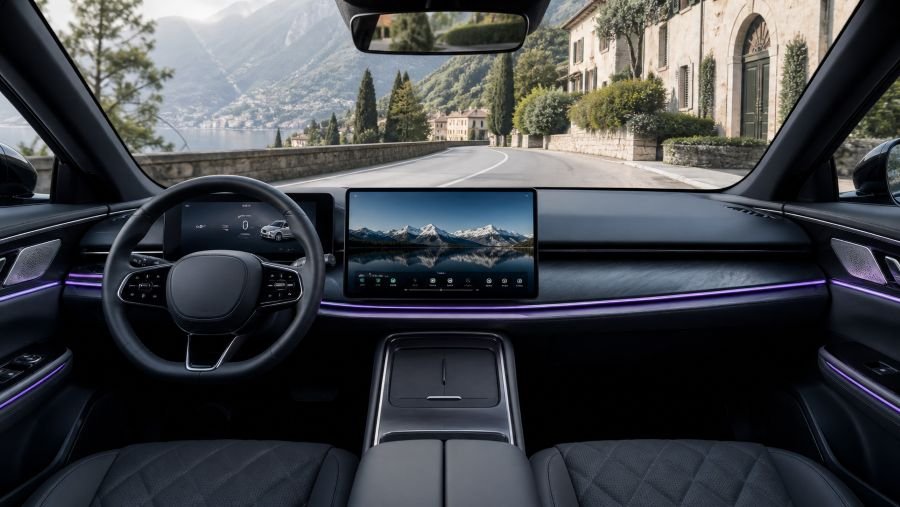
MG and SAIC: Affordable Electric Cars for Mass-Market Buyers
MG has become one of the most familiar Chinese-owned car brands in Europe, especially in the UK. Its success comes from a simple formula: recognizable branding, competitive prices, practical EVs, and dealer coverage that makes buyers feel safer. In 2026, MG is expected to remain one of the most important brands for affordable electric cars in Europe.
The MG4 has already proved that a Chinese EV can compete strongly against European hatchbacks, while future MG models are likely to focus on even broader affordability. The key question for 2026 is whether MG can keep prices attractive while improving interior quality, software polish, charging performance, and driving refinement.
MG’s biggest opportunity is the lower-cost EV segment. European buyers want electric cars that feel financially realistic. If MG can offer small and compact EVs at prices below many European rivals, it could become one of the main brands responsible for bringing electric mobility into ordinary households.
Leapmotor: The Stellantis-Backed Challenger
Leapmotor is one of the most interesting Chinese EV brands coming to Europe in 2026 because it is not entering alone. Its international expansion is supported by Stellantis, which gives the brand access to distribution, service support, and European market knowledge. That makes Leapmotor different from brands that must build recognition and infrastructure from scratch.
Leapmotor’s European strategy is expected to focus on practical EVs, including affordable small cars and compact SUVs. This is important because Europe still needs lower-cost electric vehicles. Many buyers do not want large luxury EVs; they want simple, efficient cars for commuting, city driving, and family use. If Leapmotor can deliver those vehicles with good safety, warranty support, and reasonable pricing, it could become a major disruptor.
The brand’s collaboration with Stellantis also matters for trust. European customers may feel more comfortable with a Chinese EV brand if servicing and support are connected to a familiar automotive group. This could give Leapmotor a shortcut to credibility.
XPeng: Smart EVs for Technology-Focused Drivers
XPeng is not trying to be the cheapest Chinese EV brand in Europe. Instead, it is positioning itself around smart electric vehicles, advanced driver assistance, clean design, high-tech interiors, and strong software integration. For buyers who compare cars by screens, connectivity, route planning, charging behavior, and driver assistance features, XPeng could be one of the most interesting Chinese brands in 2026.
European buyers are increasingly aware that electric cars are not only mechanical products. They are software products too. A modern EV needs good navigation, charging route planning, smartphone integration, over-the-air updates, and reliable driver assistance. XPeng’s advantage is that it was built around this philosophy from the beginning.
The challenge for XPeng will be brand recognition and service coverage. A great car is not enough if buyers are unsure where it will be serviced or how resale values will develop. If XPeng continues expanding showrooms, test-drive opportunities, and support networks, it could become one of the strongest premium-value alternatives to Tesla, BMW, Mercedes-Benz, Audi, and Polestar.
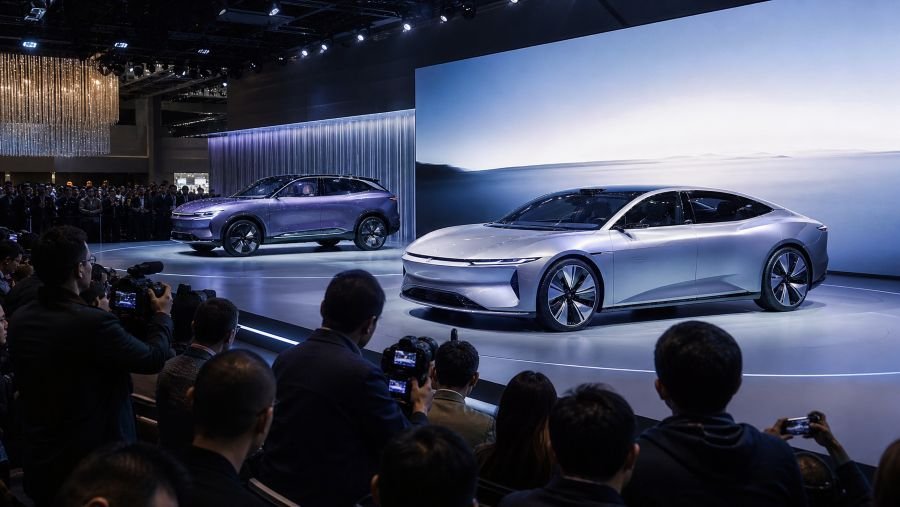
NIO and Zeekr: Premium Chinese EVs Coming to Europe in 2026
While many people associate Chinese EVs with affordability, 2026 will also be important for premium Chinese electric cars. NIO and Zeekr are two of the most important names in this space. These brands are not simply trying to undercut budget hatchbacks. They are challenging premium European vehicles with advanced design, strong performance, high-end interiors, and distinctive ownership models.
NIO: Battery Swapping and Premium Ownership
NIO’s European strategy has always been different because of battery swapping and a premium service-led identity. Instead of focusing only on charging speed, NIO promotes the idea of rapid battery exchange, flexible battery ownership, and a more lifestyle-oriented customer experience. This model may not appeal to every market, but it creates a unique brand identity.
For 2026, NIO’s challenge is scale. Premium buyers may like the technology, but they also expect reliable service, resale confidence, and convenient infrastructure. If NIO can expand its battery-swap and service network in the right countries, it could remain one of the most distinctive Chinese EV brands in Europe.
Zeekr: Geely’s Premium Electric Push
Zeekr, backed by Geely, is another brand to watch. It sits in a premium space and benefits from Geely’s wider experience with Volvo, Polestar, Lotus, and global platforms. Zeekr models often focus on performance, design, long range, and high-end cabin quality. In Europe, this gives the brand a chance to compete with established premium EVs while offering something visually and technologically different.
The main question is whether European buyers will accept new premium badges quickly enough. Price, warranty, dealer quality, and reviews will matter. If Zeekr can combine premium engineering with competitive pricing, it may attract buyers who want something more distinctive than the usual German luxury options.
Omoda and Jaecoo: The SUV Strategy
SUVs remain the most important body style in Europe, so it is no surprise that Chinese brands are targeting this segment aggressively. Omoda and Jaecoo, connected to Chery’s global expansion strategy, are designed to appeal to buyers who want a stylish, well-equipped SUV without paying premium-brand prices.
In 2026, these brands could become especially relevant in the UK and other value-conscious markets. Their strategy is simple: bold design, strong equipment, hybrid and electric options depending on market, and prices that pressure European rivals. For families, company-car users, and first-time EV buyers, that combination can be attractive.
However, the long-term test will be quality, dealer experience, software reliability, and resale values. Early success can come from price and styling, but lasting success requires trust. If Omoda and Jaecoo can build that trust, they could become major mainstream players.
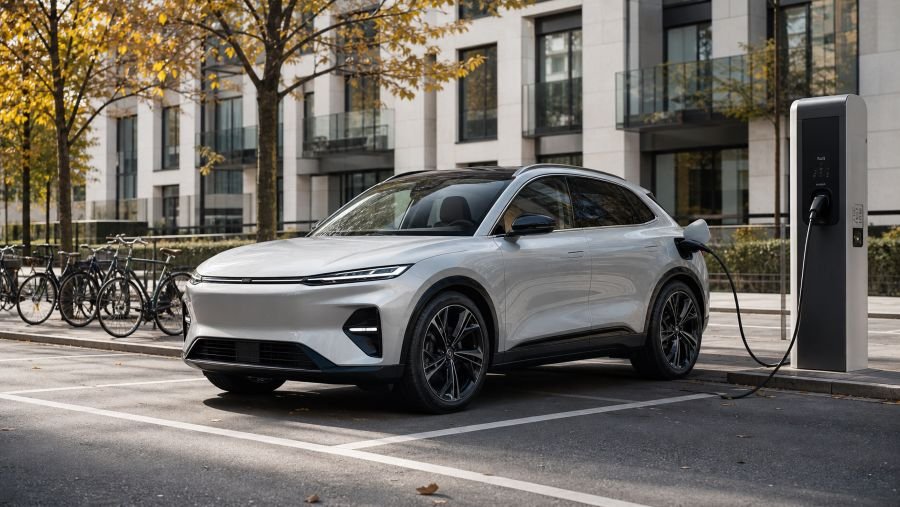
Why Chinese EVs Are Becoming More Competitive in Europe
Chinese electric cars are becoming more competitive for several reasons. First, Chinese manufacturers have strong battery supply chains. Batteries remain one of the most expensive parts of an EV, so brands with direct access to battery technology can often price more aggressively.
Second, Chinese automakers move quickly. Their product cycles are short, and they often update software, interiors, and technology faster than traditional manufacturers. This gives them an advantage in a market where EV buyers expect constant improvement.
Third, many Chinese brands understand value. European buyers may want premium features, but they do not always want premium prices. Panoramic roofs, large displays, heat pumps, driver assistance systems, fast charging, and long warranty packages can make Chinese EVs feel generous compared with similarly priced rivals.
Battery Advantage
Brands with access to large-scale battery production can improve cost control, range, and charging competitiveness.
Software Advantage
Chinese EV brands often design vehicles around screens, connectivity, apps, OTA updates, and driver assistance.
Value Advantage
High standard equipment and competitive pricing make many Chinese EVs attractive to practical buyers.
Speed Advantage
Fast development cycles help Chinese automakers respond quickly to customer feedback and market changes.
What European Buyers Should Check Before Buying a New Chinese EV
The new Chinese electric cars coming to Europe in 2026 may offer strong value, but buyers should still compare carefully. A low price and impressive equipment list are important, but ownership quality depends on more than the showroom experience.
The first thing to check is service coverage. A new EV brand must have reliable workshops, parts availability, trained technicians, and warranty support. The second factor is software quality. Some Chinese EVs have excellent hardware but may need localization improvements for European navigation, voice control, charging apps, and driver assistance behavior.
The third factor is real-world charging. Do not judge only by peak charging power. Look at 10% to 80% charging time, charging curve stability, battery preconditioning, compatibility with local networks, and winter performance. Finally, consider resale value. New brands can depreciate unpredictably until the used market understands them.
- Check local dealer and service coverage before choosing a new brand.
- Compare real-world range, not only official WLTP figures.
- Look at charging speed across 10% to 80%, not only peak kW.
- Test the infotainment and driver assistance systems during a real test drive.
- Review warranty terms for the vehicle, battery, paint, and corrosion coverage.
- Research resale confidence if you plan to sell or trade the car within a few years.
New Chinese Electric Cars Coming to Europe in 2026: Segment Outlook
The most important segment in 2026 may be the affordable compact EV. Europe needs electric cars that ordinary households can buy without premium pricing. Chinese brands are well placed here because they have experience producing smaller EVs at scale.
Compact SUVs will also be critical. European families like crossovers because they offer a higher driving position, practical boot space, and flexible interiors. Chinese brands know this and are bringing more electric and electrified SUVs into the market.
Premium EVs will be a smaller but influential category. Brands such as NIO and Zeekr may not sell at the same volumes as BYD or MG, but they can shape perception. If premium Chinese EVs perform well in reviews and safety tests, they can help improve trust in Chinese automotive engineering overall.
External References for Chinese EV Expansion
For official brand information, readers can review the BYD Europe website, the XPeng global website, and the Leapmotor official website. These sources are useful for checking model availability, technology updates, and market-specific announcements.
Internal EV Market Resources
For more coverage of Chinese electric vehicles, EV charging technology, buyer guides, and European market analysis, visit the Chinese Cars Asia homepage for related articles and future updates.
Final Verdict: New Chinese Electric Cars Coming to Europe in 2026
The new Chinese electric cars coming to Europe in 2026 will make the market more competitive, more affordable, and more technology-focused. BYD will likely remain the broadest threat because of its battery scale and expanding product range. MG will continue to pressure the value segment. Leapmotor could become a major surprise because of its Stellantis-backed European access. XPeng, NIO, and Zeekr will push the market on software, premium design, and innovation.
For European buyers, this is good news. More competition means better prices, better equipment, faster product improvement, and more choice. For European automakers, it is a serious warning. The next phase of EV competition will not be won only by badge heritage. It will be won by range, charging, software, ownership support, value, and trust.
New Chinese Electric Cars Coming to Europe in 2026 FAQ
Which Chinese EV brands are coming to Europe in 2026?
Key Chinese EV brands to watch in Europe in 2026 include BYD, MG, XPeng, Leapmotor, NIO, Zeekr, Omoda, Jaecoo, and other brands connected to larger Chinese automotive groups.
Are Chinese electric cars good value in Europe?
Many Chinese electric cars offer strong value because they combine competitive pricing, good standard equipment, modern battery technology, and long warranties. However, buyers should still compare service support, real-world range, charging performance, and resale value.
Will Chinese EVs be cheaper than European EVs in 2026?
In many segments, Chinese EVs are expected to remain highly price-competitive. However, final prices depend on tariffs, local taxes, incentives, production location, exchange rates, and dealer strategy.
Should I wait for new Chinese electric cars in 2026?
Waiting may be worthwhile if you want more choice, newer battery technology, or better pricing. However, if you need a car now, existing models from BYD, MG, XPeng, and other brands may already offer strong value.
What should I check before buying a Chinese EV in Europe?
Check dealer coverage, warranty terms, battery warranty, charging performance, software localization, safety ratings, insurance cost, and resale expectations before buying.