EU Tariffs on Chinese Cars: What Every Buyer Needs to Know
The European Union’s implementation of tariffs on Chinese-made vehicles has sparked significant discussion among automotive enthusiasts and potential buyers across Europe. These import duties have reshaped the pricing landscape, availability, and competitiveness of Chinese vehicles in one of the world’s largest automotive markets. Whether you’re considering purchasing a Chinese electric vehicle, a conventional sedan, or exploring the latest innovations from manufacturers like BYD, NIO, or MG, understanding these tariffs is essential to making an informed decision.
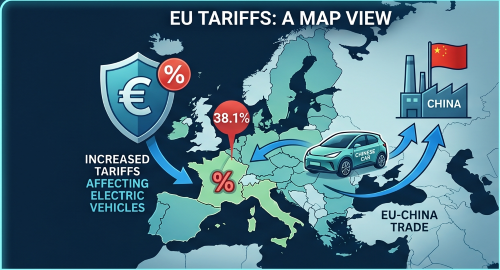
Understanding the EU Tariff Framework
In April 2026, the European Commission finalized new tariff rates on imported vehicles from China, introducing additional duties ranging from 17% to 38% on top of the existing 10% baseline tariff. This decision represented a significant escalation in trade tensions between the European Union and China, primarily driven by concerns over subsidized production and intellectual property protection in Chinese manufacturing.
The tariff structure is tiered, with different rates applied to different manufacturers based on their level of cooperation with EU investigations. BYD, as the world’s largest electric vehicle manufacturer, faced a 17% additional tariff. Geely and Volvo were subject to 19.3% duties, while other Chinese manufacturers, including those with European manufacturing facilities, faced 38% additional tariffs for failing to cooperate fully with the EU investigation.
The Baseline and Additional Duties Explained
European tariffs on imported vehicles are typically composed of two components: the standard tariff and any additional duties imposed through trade measures. The baseline 10% tariff has been in place for years and applies to all imported vehicles regardless of origin. The new Chinese-specific tariffs represent additional costs imposed on top of this baseline.
This two-tier system means that a Chinese electric vehicle costing €30,000 in China could see its price increase substantially when imported into the EU, affecting everything from dealer pricing to final consumer costs. Manufacturers can either absorb these costs to remain competitive or pass them on to consumers, creating a challenging landscape for market expansion.
Impact on Vehicle Pricing and Availability
Perhaps the most immediate consequence of these tariffs has been the restructuring of vehicle pricing across European markets. Manufacturers have had to make difficult decisions about their pricing strategy and market positioning.
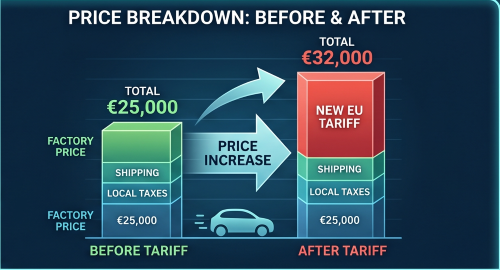
Direct Price Increases for Consumers
Many Chinese manufacturers have chosen to increase their European prices, with some brands raising vehicle costs by 5-15% following the tariff announcement. This puts Chinese electric vehicles in direct competition with more established European and American manufacturers, potentially compromising their value proposition in price-sensitive market segments.
For example, popular models like the BYD Song, the MG4, and various NIO vehicles all experienced price adjustments as manufacturers sought to maintain profit margins. Some manufacturers have been more aggressive in price increases, while others have attempted to absorb portions of the tariff burden to remain competitive.
Supply Chain Relocations
The tariff environment has incentivized some Chinese manufacturers to establish production facilities within the European Union, bypassing tariff restrictions altogether. Companies like BYD have invested in European battery manufacturing and vehicle assembly plants, while others are exploring partnerships with local European manufacturers to circumvent tariff barriers.
These strategic relocations promise to reshape the automotive landscape over the next 3-5 years. Manufacturing within the EU qualifies vehicles for significantly lower or zero tariff rates, provided they meet local content requirements. This represents a substantial shift in the global automotive supply chain.
Who Benefits and Who Suffers?
The tariff regime creates winners and losers in the automotive ecosystem. Traditional European and American manufacturers face intensified competition but from fewer rivals, as some Chinese companies struggle with profitability at higher European prices. Chinese manufacturers with existing European facilities or those able to invest rapidly in local production gain competitive advantages.
Benefits for European and American Automakers
Established automotive manufacturers like Volkswagen, BMW, and Tesla face reduced competitive pressure from Chinese imports. This protection allows them to maintain pricing power and market share in their home markets. However, the long-term competitiveness implications remain uncertain as Chinese manufacturers continue technological innovation regardless of tariffs.
Challenges for Chinese Manufacturers
Chinese automakers face substantially higher costs when exporting to Europe. Companies like BYD, Geely, and NIO must decide whether to absorb tariff costs, raise prices, or invest heavily in European manufacturing. Each option involves trade-offs that affect market penetration and profitability.
Smaller Chinese manufacturers lacking the resources for European plant investment face the most severe challenges. Many have exited or scaled back European operations, reducing consumer choice in certain vehicle categories.
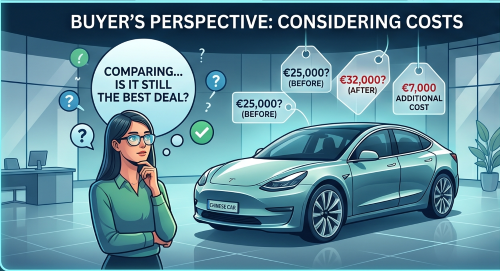
Emerging Trends and Market Evolution
Despite tariff challenges, the Chinese automotive market continues demonstrating remarkable innovation and growth potential. Understanding emerging trends helps buyers anticipate future developments and pricing dynamics.
Electric Vehicle Innovation Acceleration
Chinese manufacturers remain at the forefront of electric vehicle development. Companies like BYD continue introducing cutting-edge battery technology, longer-range capabilities, and advanced autonomous features. Tariffs have not slowed innovation; instead, they’ve accelerated strategic investments in European markets.
The introduction of battery technologies like BYD’s Blade Battery and advances in fast-charging infrastructure represent significant innovations that benefit European consumers regardless of tariff dynamics. These technologies set the standard for global electric vehicle development.
Strategic Partnerships and Localization
Chinese manufacturers are pursuing aggressive localization strategies to overcome tariff barriers. Joint ventures, technology partnerships, and local production investments are reshaping the competitive landscape. These strategies promise to maintain Chinese innovation benefits while reducing tariff impacts through local production.
Model Proliferation and Market Segmentation
Chinese brands are expanding their vehicle portfolios across multiple segments, from compact city cars to premium luxury vehicles. This diversification strategy addresses different consumer needs and pricing preferences, allowing companies to maintain market presence even with higher tariff-adjusted prices.
What This Means for Buyers Right Now
If you’re considering purchasing a Chinese vehicle in Europe, several factors merit careful consideration in the current tariff environment.
Timing and Purchase Strategy
Buyers should recognize that tariff impacts on pricing continue evolving. Some manufacturers may further adjust prices as they implement European production strategies. Consumers should research specific models’ pricing trajectories and consider whether waiting for localized production might yield better value.
Comparing Total Cost of Ownership
While tariffs affect purchase prices, Chinese vehicles often deliver competitive total cost of ownership through superior fuel efficiency, advanced battery technology, and lower maintenance requirements. Buyers should evaluate lifetime ownership costs rather than focusing solely on purchase price.
Assessing Warranty and Support Infrastructure
As Chinese brands expand European presence, their service networks are maturing. Buyers should verify that adequate warranty coverage, service centers, and spare parts availability exist in their regions before purchasing. This infrastructure continues strengthening across Europe.
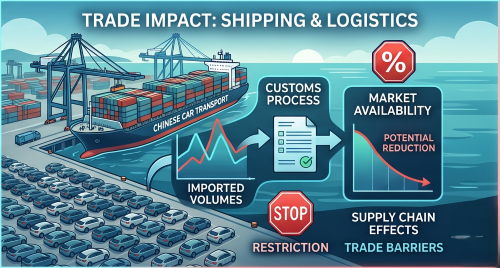
Looking Ahead: Future Tariff Developments
The current tariff regime is unlikely to represent the final state of EU-China automotive relations. Several factors suggest ongoing evolution in trade policy and market dynamics.
Potential Negotiation Outcomes
EU and Chinese officials continue discussing trade relationships. Negotiations could result in tariff reductions, exemptions for specific manufacturers investing in European production, or new agreements addressing the underlying concerns prompting tariff implementation. The outcome remains uncertain but will significantly impact market dynamics.
Long-term Market Restructuring
Regardless of tariff developments, Chinese automotive manufacturers are committed to substantial European market presence. European production investments, technology partnerships, and brand development represent long-term commitments that transcend short-term trade policy fluctuations.
Consumer Technology Adoption
Chinese vehicles’ technological advantages, particularly in battery technology and autonomous driving, will continue attracting European consumers. Even with tariff-adjusted prices, many buyers will choose Chinese vehicles for their innovative features and value propositions.
Conclusion: Making Informed Purchasing Decisions
EU tariffs on Chinese vehicles represent a significant market development affecting prices, availability, and competitive dynamics. However, they do not eliminate Chinese manufacturers’ compelling value propositions or technological leadership in critical areas like battery development and electric vehicle innovation.
Buyers considering Chinese vehicles should approach purchasing decisions armed with understanding of tariff impacts, current market dynamics, and each manufacturer’s European strategy. The market is undergoing substantial transformation, with European production becoming increasingly important and pricing dynamics continuing to evolve.
For detailed comparisons between specific Chinese vehicle models and insights into emerging vehicles in the European market, visit our comprehensive automotive guides covering everything from electric vehicle technology to detailed model comparisons and reviews.
The future of Chinese vehicles in Europe remains bright despite tariff challenges. Manufacturers are adapting, investing, and innovating at remarkable pace. For consumers, this means continued access to innovative vehicles, advanced technology, and competitive pricing—provided they understand the evolving market landscape and make informed decisions.
EU Tariffs on Chinese Cars FAQ
What are EU tariffs on Chinese cars?
EU tariffs on Chinese cars are import duties applied to vehicles manufactured in China and sold in European markets. They can affect final pricing, availability, and competitiveness for Chinese brands.
Do tariffs make Chinese cars more expensive in Europe?
Yes. When manufacturers pass tariff costs on to customers, purchase prices can rise. Some brands may absorb part of the cost, while others may adjust prices or shift production to Europe.
Can Chinese automakers avoid EU tariffs?
Chinese automakers can reduce tariff exposure by building vehicles inside Europe, forming local partnerships, or increasing European production and supply-chain localization.
Should buyers wait before purchasing a Chinese car in Europe?
Buyers should compare current pricing, incentives, warranty coverage, service support, and expected local-production plans. Waiting may help in some cases, but pricing can vary by brand and market.
Are Chinese electric cars still competitive despite tariffs?
Many Chinese electric cars remain competitive because of battery technology, equipment levels, efficiency, and value. However, the best choice depends on the specific model, local price, and ownership support.