Best Chinese Hybrid Cars You Can Buy in 2026
Welcome to Your Hybrid Car Guide
The Chinese automotive industry has undergone a remarkable transformation, establishing itself as a global leader in hybrid vehicle innovation. As we navigate through 2026, Chinese manufacturers are delivering hybrid cars that rival international competitors in technology, efficiency, and affordability. This comprehensive guide explores the best hybrid vehicles currently available, helping you make an informed decision about your next purchase.
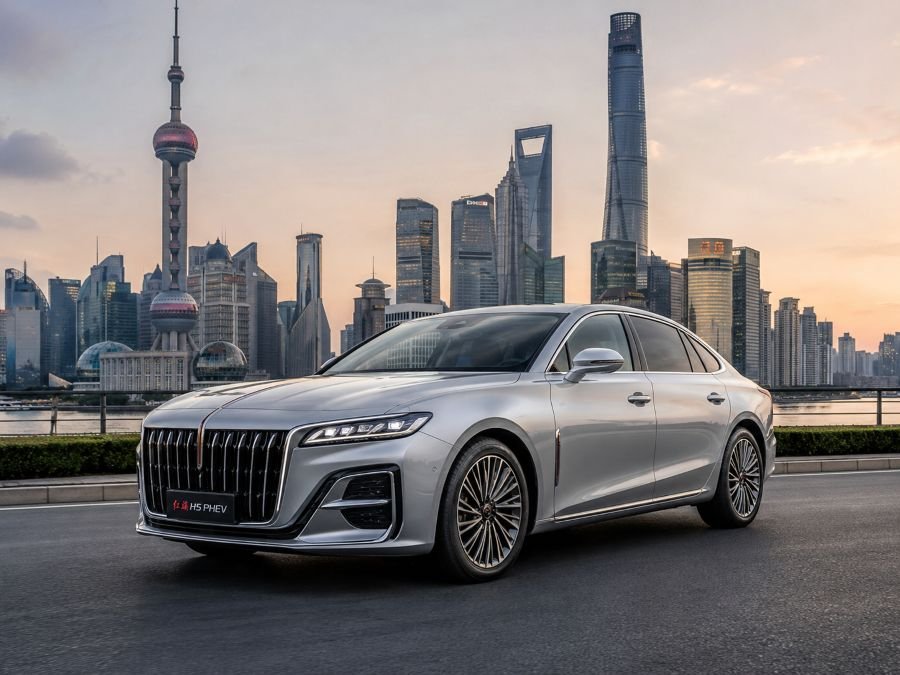
Premium Chinese Hybrid Sedan – Combining luxury design with eco-friendly technology
Why Chinese Hybrid Cars Matter in 2026
The shift toward hybrid vehicles represents one of the most significant developments in the automotive industry over the past decade. Chinese manufacturers have capitalized on this trend by investing billions in research and development, resulting in a diverse range of hybrid vehicles that appeal to environmentally conscious consumers and those seeking superior fuel economy.
Unlike purely electric vehicles, hybrid cars offer practical advantages that make them ideal for diverse driving conditions. They combine the efficiency of electric motors with the reliability of traditional combustion engines, eliminating range anxiety while delivering exceptional fuel economy. For many drivers in 2026, hybrid technology represents the optimal middle ground between cutting-edge sustainability and proven automotive reliability.
Chinese hybrid cars have consistently demonstrated improvements in battery technology, motor efficiency, and integrated systems management. Major manufacturers like BYD, NIO, Geely, and Li Auto have established themselves as serious contenders in the global hybrid market, earning recognition from automotive experts and industry analysts worldwide.
Top Chinese Hybrid Cars of 2026
BYD Song Plus DM-i: The Best All-Rounder
The BYD Song Plus DM-i has earned recognition as one of China’s most successful hybrid vehicles, combining practical design, impressive efficiency, and accessible pricing. This mid-size SUV perfectly balances performance with economy, making it an exceptional choice for families and commuters.
The DM-i powertrain features BYD’s advanced dual-motor intelligent control system, which seamlessly transitions between electric and hybrid driving modes. The vehicle’s 5-speed intelligent transmission ensures smooth acceleration while maintaining impressive fuel efficiency ratings that consistently exceed 50 MPG in real-world driving scenarios.
💪 Power & Performance
Engine: 1.5L Turbocharged
Combined Output: 258 hp
Torque: 320 Nm
⚡ Electric System
Battery Type: LFP
Electric Range: 50 km
Charging Time: 4-8 hours
🚗 Efficiency & Size
Fuel Consumption: 4.2 L/100km
Overall Length: 4.7 meters
Seating: 5-7 passengers
Owners consistently praise the Song Plus DM-i for its responsive handling, spacious interior, and user-friendly infotainment system. The vehicle includes advanced driver assistance systems, panoramic sunroof options, and premium interior materials that justify its competitive pricing.
BYD Qin Plus DM-i: Compact Efficiency Champion
For drivers seeking a smaller, more agile hybrid vehicle, the BYD Qin Plus DM-i represents an outstanding option. This compact sedan delivers exceptional fuel economy without sacrificing comfort or technological features, making it ideal for urban driving and daily commutes.
The Qin Plus DM-i’s advanced three-cylinder turbocharged engine works in harmony with dual electric motors to deliver a combined 258 horsepower. Despite its compact dimensions, the vehicle offers remarkable interior space through intelligent design, with ample legroom for passengers and a surprisingly spacious trunk.
| Feature | Qin Plus DM-i | Song Plus DM-i |
|---|---|---|
| Vehicle Type | Compact Sedan | Mid-size SUV |
| Combined Output | 258 hp | 258 hp |
| Fuel Consumption | 3.8 L/100km | 4.2 L/100km |
| Electric Range | 55 km | 50 km |
| Starting Price (USD) | $18,500 | $22,000 |
| Passenger Capacity | 5 | 5-7 |
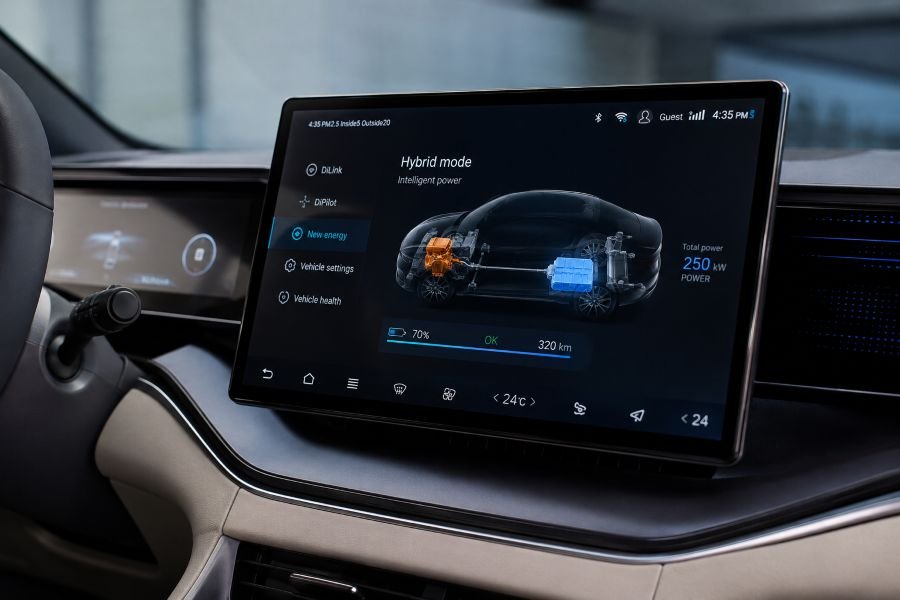
Advanced Hybrid Dashboard – Intelligent system management and real-time efficiency monitoring
NIO ET6 Touring: Premium Hybrid Innovation
Moving into the premium segment, the NIO ET6 Touring represents the pinnacle of Chinese hybrid vehicle technology. This sophisticated mid-size SUV combines luxury appointments, advanced autonomous features, and exceptional hybrid efficiency in a package that competes directly with established international premium brands.
The ET6 Touring features a plug-in hybrid architecture that emphasizes electric driving for daily commutes while maintaining gasoline engine backup for extended journeys. The vehicle’s triple motor system—one combustion engine and dual electric motors—provides remarkable acceleration and smooth power delivery across all driving scenarios.
NIO’s proprietary Battery as a Service (BaaS) program offers flexible ownership options, allowing drivers to lease battery capacity separately from the vehicle itself. This innovative approach reduces upfront costs while ensuring access to the latest battery technology.
Geely Emgrand DH-i: Value and Reliability
The Geely Emgrand DH-i targets budget-conscious buyers without compromising on quality or performance. This entry-level hybrid sedan delivers reliable transportation with exceptional fuel economy, making it an excellent choice for first-time hybrid purchasers.
Powered by Geely’s intelligent hybrid system, the Emgrand DH-i achieves over 45 MPG in combined driving. The vehicle’s proven 1.5-liter turbocharged engine has accumulated millions of reliable operating hours across Geely’s global vehicle lineup, assuring buyers of time-tested engineering and durability.
MG iSmart 5: Tech-Forward Hybrid SUV
The MG iSmart 5 brings cutting-edge technology to the mid-range hybrid SUV market, offering a feature-rich driving experience at competitive pricing. This five-seater SUV incorporates advanced connectivity features, sophisticated infotainment systems, and comprehensive driver assistance technology.
The iSmart 5’s hybrid system prioritizes intelligent energy management, automatically optimizing the balance between electric and combustion power based on driving patterns and traffic conditions. The vehicle’s regenerative braking system captures energy during deceleration, extending electric range and improving overall efficiency.
Li Auto Mega: Family-Oriented Excellence
For families requiring maximum space and versatility, the Li Auto Mega represents an exceptional choice. This extended-range hybrid vehicle combines the practicality of a minivan with the handling characteristics of a premium SUV, offering unprecedented flexibility for diverse family needs.
The Mega features Li Auto’s advanced Extended Range Electric Vehicle (EREV) technology, providing up to 300 kilometers of combined range from its dual powertrain system. Three rows of seating accommodate up to seven passengers, with flexible configurations allowing transformation from family transport to cargo hauling.
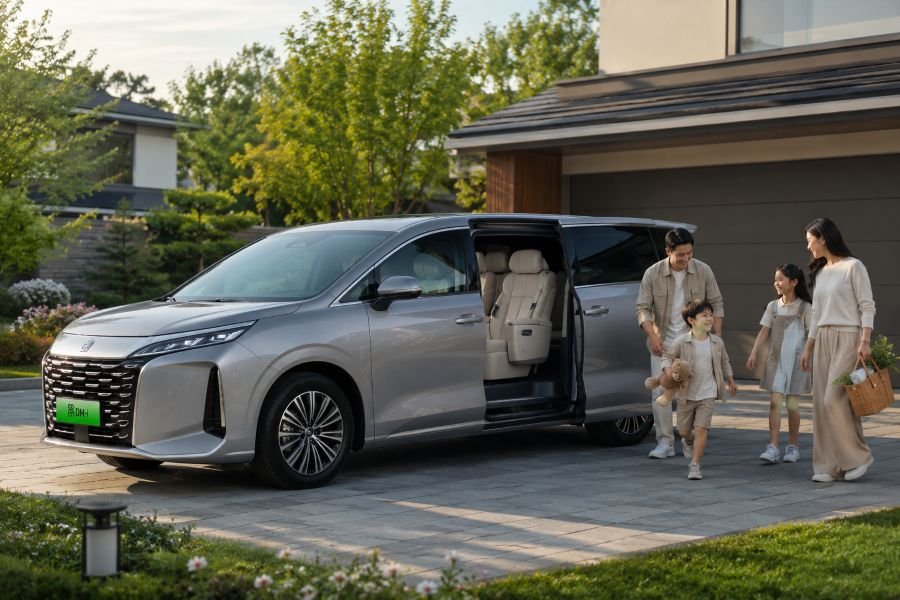
Family-Friendly Hybrid SUV – Spacious interior and practical design for modern families
Hybrid Technology Explained
Understanding hybrid technology helps buyers appreciate the engineering behind these vehicles and make informed purchasing decisions. Modern hybrid systems employ sophisticated computer algorithms that manage engine and motor operation for optimal efficiency.
Traditional hybrids automatically switch between electric and combustion power, powered entirely by the engine and regenerative braking. Plug-in hybrids (PHEVs) feature larger batteries that can be recharged from external power sources, enabling extended electric-only driving ranges. Extended-range hybrids (EREVs) operate primarily on electric power, with the combustion engine serving as a generator to extend driving range.
Chinese manufacturers have pioneered innovations in all three categories, with particular emphasis on plug-in hybrid development. These advances have resulted in vehicles that deliver superior efficiency compared to traditional gasoline-powered automobiles while maintaining the convenience and reliability consumers expect.
Performance Comparison
| Model | Type | Combined Output | Fuel Economy | Electric Range | Starting Price |
|---|---|---|---|---|---|
| BYD Song Plus DM-i | PHEV SUV | 258 hp | 4.2 L/100km | 50 km | $22,000 |
| BYD Qin Plus DM-i | PHEV Sedan | 258 hp | 3.8 L/100km | 55 km | $18,500 |
| NIO ET6 Touring | Premium PHEV | 370 hp | 4.8 L/100km | 120 km | $45,000 |
| Geely Emgrand DH-i | Traditional Hybrid | 190 hp | 4.6 L/100km | N/A | $15,500 |
| MG iSmart 5 | PHEV SUV | 245 hp | 5.2 L/100km | 65 km | $24,000 |
| Li Auto Mega | EREV Minivan | 318 hp | 6.0 L/100km (Combined) | 300+ km | $38,000 |
Key Advantages of Chinese Hybrid Cars
Chinese hybrid vehicles offer numerous compelling advantages that justify their rapid growth in global automotive markets:
- Superior Fuel Economy: Most Chinese hybrids achieve 30-50% better fuel consumption compared to conventional gasoline vehicles, translating to substantial long-term savings on fuel expenses.
- Affordability: Chinese manufacturers leverage efficient production processes and competitive supply chains, offering hybrid vehicles at prices 15-25% below international competitors with comparable features.
- Advanced Technology: Chinese companies invest heavily in artificial intelligence, autonomous driving systems, and connected vehicle technology, often featuring cutting-edge innovations unavailable in competing international models.
- Reliability and Warranty: Leading manufacturers provide comprehensive warranties (typically 5-8 years) and have established extensive service networks, ensuring convenient maintenance and support.
- Environmental Benefits: Reduced fuel consumption and emissions contribute meaningfully to environmental sustainability without requiring the complete infrastructure transformation that pure electric vehicles demand.
- Flexibility: Hybrid vehicles eliminate range anxiety associated with pure electric cars, maintaining conventional refueling infrastructure compatibility while offering electric driving benefits for daily commutes.
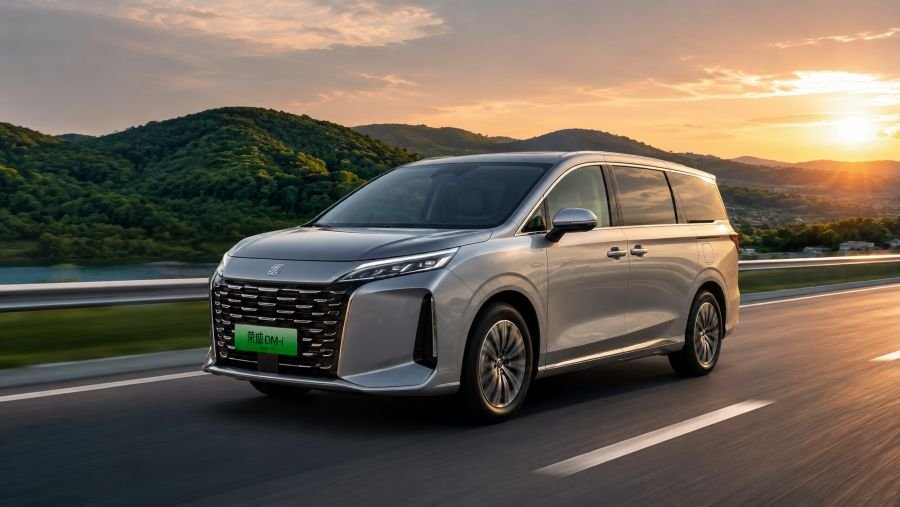
On the Road Performance – Hybrid SUV delivering efficiency on modern highways
Buying Considerations for 2026
Assessing Your Driving Patterns
Before selecting a hybrid vehicle, honestly evaluate your typical driving scenarios. Hybrid technology delivers maximum benefits for drivers with diverse driving patterns combining highway and city driving. Extended highway-only driving may yield less dramatic efficiency improvements compared to vehicles with frequent city driving.
Budget and Financing Options
Chinese hybrid vehicles span a broad price range, from entry-level options around $15,000 to premium models exceeding $50,000. Consider not only the purchase price but also insurance costs, maintenance expenses, and fuel savings over ownership period. Many manufacturers offer attractive financing options and government incentives in various markets.
Battery Technology and Longevity
Modern hybrid batteries feature extended lifespans, with most manufacturers warranting battery capacity retention of at least 70% after 8-10 years. Chinese manufacturers, particularly BYD, have pioneered advanced battery technologies that demonstrate superior longevity compared to earlier hybrid systems.
Charging Infrastructure
If considering a plug-in hybrid, assess available charging infrastructure in your region. Home charging installation significantly improves ownership convenience, allowing you to maximize electric driving benefits. Public charging networks continue expanding rapidly across most developed regions.
Resale Value Considerations
Hybrid vehicles historically maintain excellent resale value, particularly from established manufacturers. As hybrid technology becomes increasingly mainstream, resale markets strengthen, making your investment more secure.
Future of Chinese Hybrid Innovation
The automotive industry continues evolving rapidly, with Chinese manufacturers leading several technological frontiers. Battery technology improvements promise increased electric range and faster charging times. Advanced autonomous driving systems, currently appearing in flagship models, will gradually cascade into mass-market vehicles.
Energy density improvements and cost reductions continue making hybrid vehicles more accessible to mainstream buyers. Simultaneously, integration with smart city infrastructure and vehicle-to-infrastructure (V2I) communication promises to unlock additional efficiency gains and enhanced driving experiences.
Making Your Final Decision
Selecting the right hybrid car requires balancing multiple factors including your budget, lifestyle, driving patterns, and personal preferences. Chinese manufacturers in 2026 offer exceptional options across all market segments, with vehicles competitive with international brands while offering superior value propositions.
Test drive multiple models, research specific reliability ratings, and consider your long-term ownership plans. Consult with owners and automotive experts familiar with your local market conditions. The best hybrid car isn’t necessarily the most expensive or feature-rich; it’s the one that best matches your individual requirements and provides the optimal balance of efficiency, reliability, and enjoyment.
Essential Accessories for Your Chinese Hybrid
Once you have chosen your hybrid from the comparison above, a handful of well-selected accessories will meaningfully improve daily ownership — from faster, more convenient home charging for plug-in models to interior protection that helps preserve resale value. The items below are the ones our team considers genuinely worthwhile, chosen to complement the BYD, NIO, Geely, MG, and Li Auto models featured throughout this guide rather than padding the list with gimmicks.
A dual-channel dash cam with a Sony STARVIS sensor and parking mode protects your investment whether you are driving or parked. Aim for 4K front / 2K rear with built-in Wi-Fi for easy footage review — increasingly expected by insurers, and a sound safeguard for a high-value hybrid like the NIO ET6 Touring or Li Auto Mega.
Model-tailored, all-weather TPE floor mats and a boot liner are the single best way to protect interior carpets and preserve resale value — especially relevant for the premium cabins of the BYD Song Plus DM-i, MG iSmart 5, and NIO ET6 Touring. Always search your exact model and year to guarantee a precise, no-slip fit.
Hybrids carry both a battery pack and an engine, so they are heavy — and correct tyre pressure directly affects real-world range and fuel economy. A rechargeable digital inflator with a preset auto-stop keeps pressures optimal and quickly pays for itself in saved fuel and longer tyre life.
A waterproof, fire-retardant carry bag keeps your Type 2 cable clean and contained in the boot — no more grimy hands or a dirty load space after every charge. A small, inexpensive accessory that solves a daily annoyance every plug-in hybrid owner eventually faces.
Even with the large screens these hybrids offer, a dedicated MagSafe-compatible mount with wireless charging keeps your phone visible and topped up without cluttering the minimalist dashboards found in the Li Auto, NIO, and BYD cabins. Vent or air-outlet versions fit most interiors cleanly.
Every plug-in model in this guide charges over the Type 2 (IEC 62196) standard, so a quality Type 2-to-Type 2 cable is a genuine essential. A 32A / 22kW three-phase, TÜV-certified cable future-proofs your setup, reaches awkward public chargers, and works with home wallboxes and untethered street posts alike. A 5-metre length suits most driveways and bays.
Frequently Asked Questions
What’s the difference between hybrid and plug-in hybrid vehicles?
Traditional hybrids rely on regenerative braking and engine power to charge their batteries, offering no external charging capability. Plug-in hybrids feature larger batteries that can be charged from external power sources, enabling extended electric-only driving ranges. Plug-in hybrids typically provide better fuel economy for drivers with daily commutes, while traditional hybrids suit long-distance drivers.
How much can I save with a hybrid car?
Savings depend on driving patterns, local fuel prices, and electricity costs. Typical hybrid owners save $800-$1,500 annually on fuel compared to equivalent gasoline vehicles. Over a 10-year ownership period, total savings from improved fuel economy can exceed $12,000, offsetting any purchase price premium.
Are Chinese hybrid cars safe?
Modern Chinese hybrid vehicles meet or exceed international safety standards, with top manufacturers earning high safety ratings from independent testing organizations. BYD, NIO, Geely, and MG vehicles consistently demonstrate strong crash test performance and comprehensive driver safety features.
What’s the typical lifespan of hybrid batteries?
Modern hybrid batteries typically last 8-15 years, with most manufacturers warranting them for 8-10 years. Real-world experience shows many batteries continue providing adequate performance beyond warranty periods, though at slightly reduced capacity levels.
Can hybrid cars handle cold weather driving?
Yes, hybrid vehicles function reliably in cold climates, though extreme cold slightly reduces battery efficiency and overall range. Modern thermal management systems minimize this impact, and many hybrid vehicles include heated battery systems for optimal cold-weather performance.
Where can I find Chinese hybrid cars for sale?
Availability varies significantly by region. In Asia, dedicated showrooms and authorized dealers offer complete model lineups. Western markets increasingly feature Chinese hybrid imports through specialized importers and online marketplaces. Research local import regulations and certification requirements before purchasing.
What maintenance does a hybrid car require?
Hybrid vehicles require standard maintenance including oil changes, filter replacements, and tire rotation. Electric motor systems require minimal maintenance beyond periodic inspections. Brake maintenance differs slightly due to regenerative braking systems. Overall, hybrid maintenance costs are comparable to conventional vehicles, often slightly lower due to reduced engine usage.
📢 Share This Article