GWM Haval H6 Review: Could This Chinese SUV Compete With the RAV4 in America?
The GWM Haval H6 is the quiet giant of the global SUV world. It has topped China’s sales charts for years and crossed four million units worldwide, yet most American drivers have never seen one in the metal. That gap raises an irresistible question for anyone watching the rise of Chinese cars: if it ever reached the United States, could the Haval H6 take on the Toyota RAV4 — the undisputed king of the American compact-SUV class?
This Haval H6 review breaks down the specs, the powertrains, the technology and the value proposition, then lines all of it up against the fully redesigned 2026 Toyota RAV4. Along the way we’ll explain the very real obstacles that keep this Chinese bestseller out of US showrooms — and whether those walls are as permanent as they look.
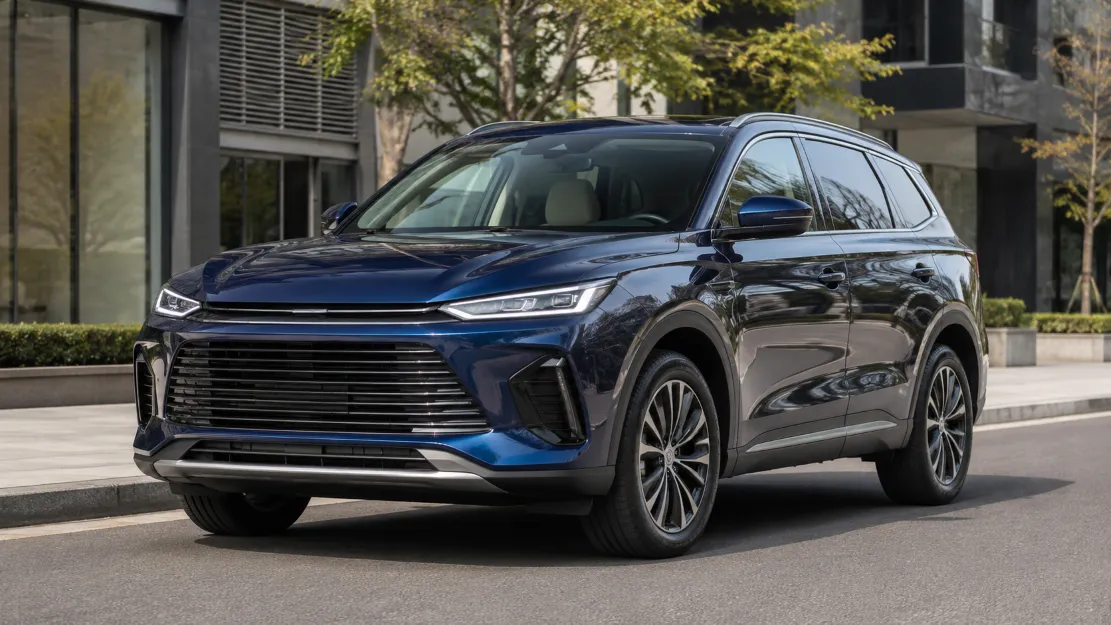
Few cars illustrate the global shift in the automotive industry as clearly as the Haval H6. While Western buyers debate whether Chinese brands are ready for prime time, Great Wall Motor has been busy selling this single nameplate by the millions across dozens of countries. Understanding why it works — and why it remains absent from America — tells you a great deal about where the next decade of the SUV market is heading. So before we measure it against the RAV4, let’s get acquainted with the contender.
Who Is GWM, and What Exactly Is the Haval H6?
Great Wall Motor (GWM), usually shortened to GWM, is China’s largest builder of SUVs and pickups, and Haval is its dedicated SUV brand. The Haval H6 is the company’s flagship family SUV, sitting squarely in the compact-to-midsize segment that the RAV4, Honda CR-V and Hyundai Tucson dominate in the West. First launched in 2011, it has been refined across three full generations and has earned a reputation as dependable, well-equipped and aggressively priced.
The numbers behind it are striking. The H6 has spent stretches of nearly a decade as China’s best-selling SUV, once setting a single-month record of more than 80,000 units, and it has now passed four million sales worldwide. That makes it the best-selling model GWM has ever produced. For context, that scale of success is the kind of foundation Toyota built the RAV4’s reputation on — which is precisely why the comparison is more reasonable than it first appears.
A Global Bestseller With a US-Sized Question Mark
The current H6 is sold in markets as varied as Australia, the United Arab Emirates, Pakistan, Thailand, Indonesia, the Philippines and several South American countries. In each of them it competes directly with Japanese and Korean rivals, often undercutting them on price while matching or beating them on equipment. The one glaring exception is the United States, the world’s most lucrative SUV market and the RAV4’s home turf. We’ll return to why that is — but first, the hardware.
Haval H6 Specs and Powertrains: Where the Numbers Land
The modern Haval H6 is offered with a tiered range of powertrains, and the exact mix varies by country. At the accessible end sits a 2.0-litre turbocharged petrol engine producing roughly 170 kW (around 228 hp) and 380 Nm, paired with a nine-speed dual-clutch transmission driving the front wheels. It is a punchy, conventional setup aimed at buyers who want straightforward performance without the complexity of a battery.
Above it, GWM offers an increasingly sophisticated electrified powertrains. The standard hybrid blends a 1.5-litre turbo petrol engine with an electric motor for a combined output near 179 kW (about 240 hp) and 530 Nm, routed through a dedicated hybrid transmission. The plug-in hybrid steps things up again, and the flagship Hi4 all-wheel-drive PHEV is the headline act: with a motor on each axle it generates up to 268 kW — roughly 360 hp — and a hefty 760 Nm of torque, enough for a 0–100 km/h sprint in the high-four-second range. That is genuine performance-SUV territory.
Efficiency is just as much a part of the story. On the optimistic NEDC test cycle, the plug-in H6 claims combined consumption around 1.1 L/100km and an electric-only range that lets many owners commute without burning fuel at all, while the regular hybrid sips roughly 5 L/100km. Real-world figures will always be higher once the battery depletes, but the intent is clear: GWM wants the H6 to feel modern, electrified and cheap to run.
- Body style: Five-seat compact-to-midsize crossover SUV, roughly 4,703 mm long, 1,886 mm wide and 1,730 mm tall.
- Powertrains: 2.0T petrol, 1.5T hybrid, and plug-in hybrid including the Hi4 AWD flagship.
- Peak output: Up to 268 kW (≈360 hp) and 760 Nm in Hi4 PHEV form.
- Cargo space: About 560 litres with the rear seats up, expanding to roughly 1,485 litres folded.
- Safety: Five-star ANCAP rating with a full suite of driver-assistance systems on higher trims.
💡 Pro Tip: When you read Haval H6 specifications online, always check which market the figures come from. The Australian, Middle Eastern and Chinese versions can differ in power, battery size and even fuel economy ratings, so a spec sheet from one region won’t always match what’s sold in another.
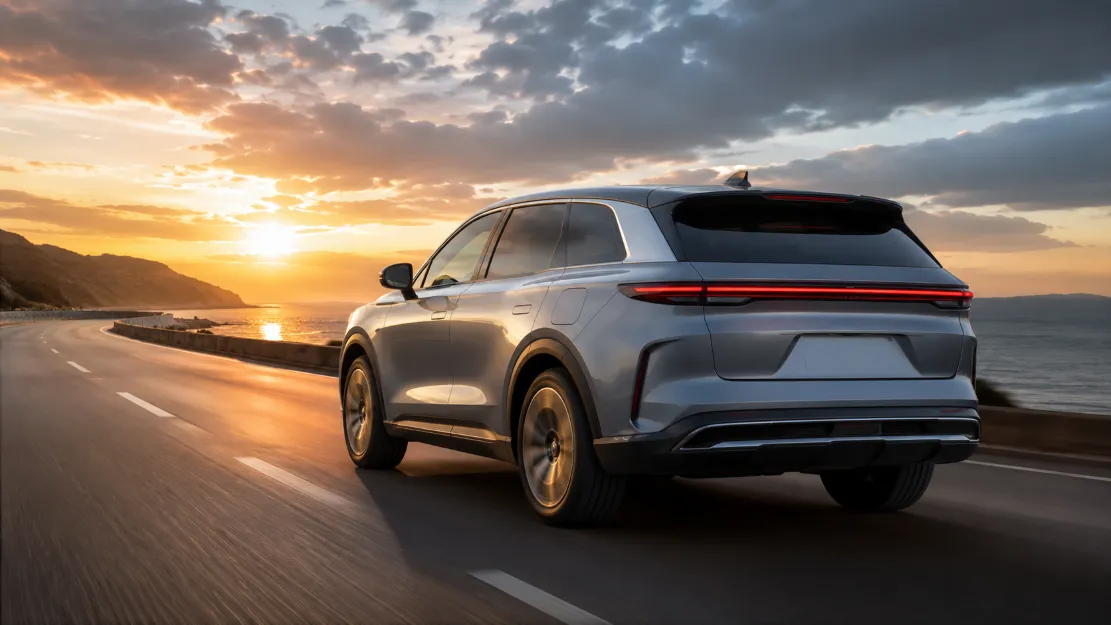
How the Haval H6 Stacks Up Against the 2026 Toyota RAV4
To make the comparison fair, we’re matching the H6 against the freshly redesigned 2026 RAV4, which entered its sixth generation as a hybrid-only model in the United States. Toyota dropped the pure-petrol engine entirely, so every new RAV4 now pairs a 2.5-litre four-cylinder with electric assistance. The standard hybrid makes 226 hp with front-wheel drive or 236 hp with all-wheel drive, while the plug-in version climbs to 324 hp with about 50 miles of electric-only range and a brisk 0–60 mph time.
Pricing is where the RAV4’s strategy becomes obvious. The 2026 hybrid lineup starts at $33,350 including destination for the base LE, stretches to $44,750 for the Limited, and the plug-in flagship reaches just under $50,000. Standard kit now includes a 12.3-inch digital instrument cluster, a touchscreen up to 12.9 inches running Toyota’s new Arene software, and the latest Toyota Safety Sense 4.0 driver-assistance suite. The table below puts the two SUVs side by side on the metrics buyers care about most.
| Specification | GWM Haval H6 (global) | 2026 Toyota RAV4 (USA) |
|---|---|---|
| Powertrains | 2.0T petrol, 1.5T hybrid, PHEV (incl. Hi4 AWD) | Hybrid and plug-in hybrid only |
| Max power | Up to 268 kW (≈360 hp) | 324 hp (PHEV) / 236 hp (AWD hybrid) |
| Efficiency | ≈1.1 L/100km PHEV (NEDC); ≈5 L/100km hybrid | Up to 44 mpg combined; ≈52 mi EV range (PHEV) |
| Length | ≈4,703 mm (185 in) | ≈4,660 mm (183.5 in) |
| Cargo (seats up) | ≈560 litres | Class-competitive (~37 cu ft) |
| Main touchscreen | 14.6-inch, Coffee OS | Up to 12.9-inch, Arene software |
| Starting price (USA) | Not officially sold | $33,350 (incl. destination) |
| US availability | Not available | Widely available — best-selling SUV |
| Warranty | Up to 7 years (market dependent) | 3 yr / 36,000 mi (8 yr hybrid components) |
Read the table closely and a pattern emerges. On raw output the flagship Haval H6 PHEV actually overpowers the RAV4, and its central screen is larger. The RAV4 counters with sharper efficiency on the standardized US cycle, a deeply proven hybrid system, and — crucially — the ability to be bought, financed, serviced and resold at any Toyota dealer in the country. Specifications win arguments; ownership wins sales.
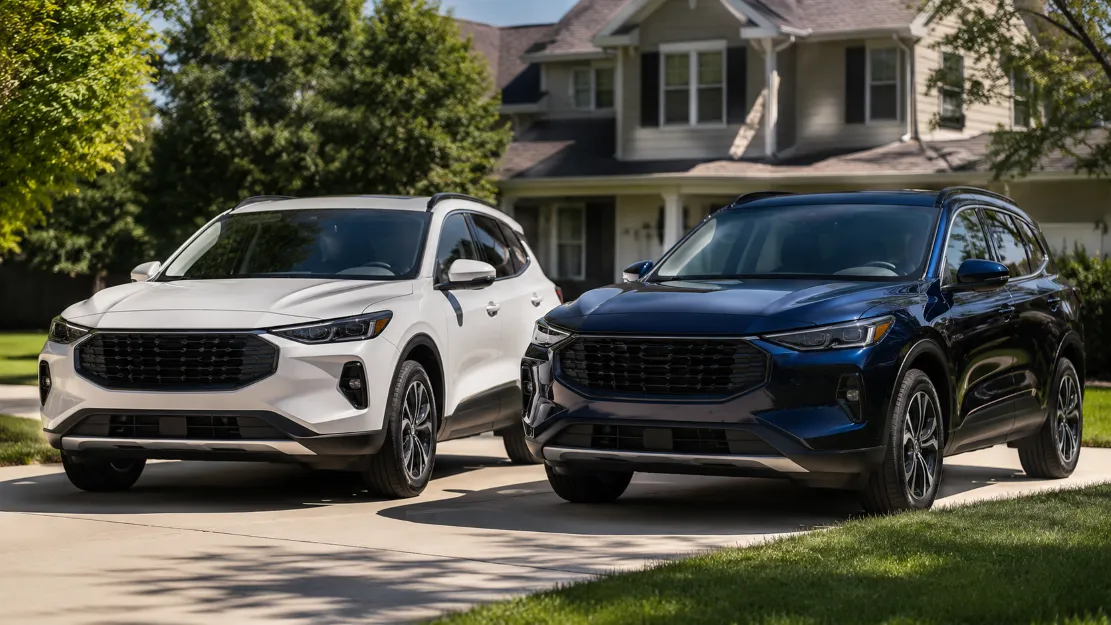
The Real Obstacle: Why You Can’t Buy a Haval H6 in America
Here is the part of the Haval H6 review that surprises most readers. The reason you can’t walk into a US dealer and order one has very little to do with the car itself and almost everything to do with policy and logistics. The single biggest barrier is tariffs. The United States applies steep import duties on Chinese-built vehicles, and recent rounds of trade measures have pushed the effective rate high enough to erase the price advantage that makes the H6 so appealing elsewhere. A bargain crossover stops being a bargain once a punitive tariff is stacked on top of it.
Beyond tariffs, there are structural hurdles. Selling a car in America means meeting federal safety and emissions homologation standards, which require expensive engineering and certification work specific to the US market. It also means building a dealer and service network from scratch, securing parts supply, and establishing brand trust with buyers who have never heard the Haval name. Toyota spent decades earning the RAV4’s reputation; GWM would be starting that journey from zero.
⚠️ Important Note: Be cautious of grey-market listings that claim to sell new Haval H6 models in the United States. Importing a vehicle that was never federally certified can create serious legal, insurance and registration problems, and such cars usually have no manufacturer warranty or local service support. Treat any “available in the USA” claim with healthy skepticism.
None of this means the door is permanently closed. GWM has openly stated ambitions to grow its global footprint, and Chinese brands have already established beachheads in Europe, Australia and Latin America. Should trade conditions shift, the same H6 that thrives in dozens of markets could become a genuine RAV4 rival overnight. For now, though, the comparison stays firmly in the realm of “what if.”
Interior, Technology and Daily Livability
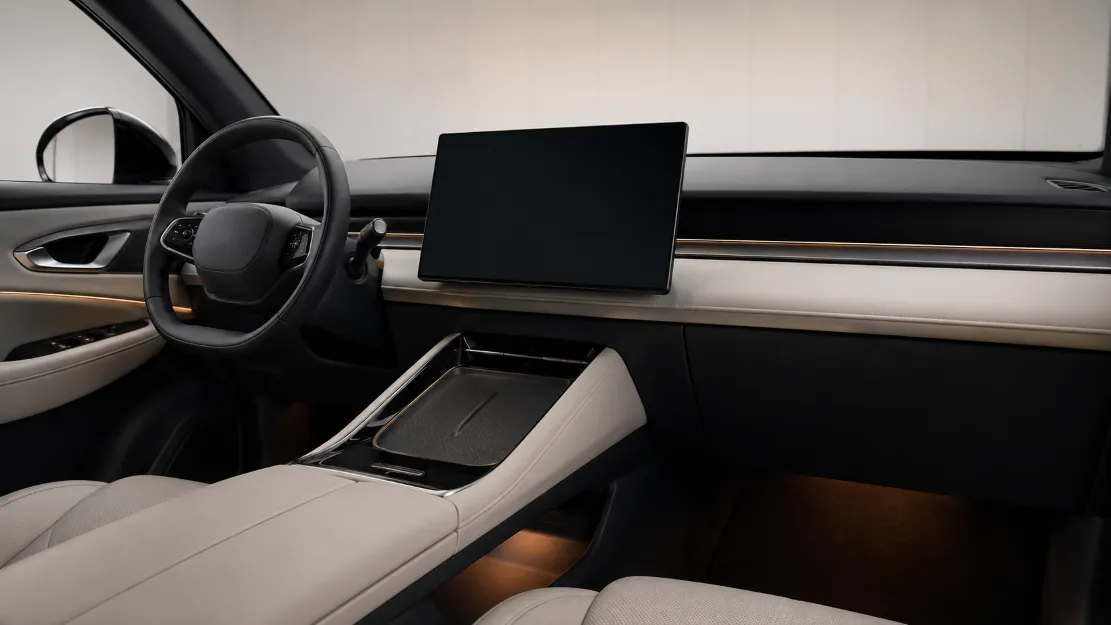
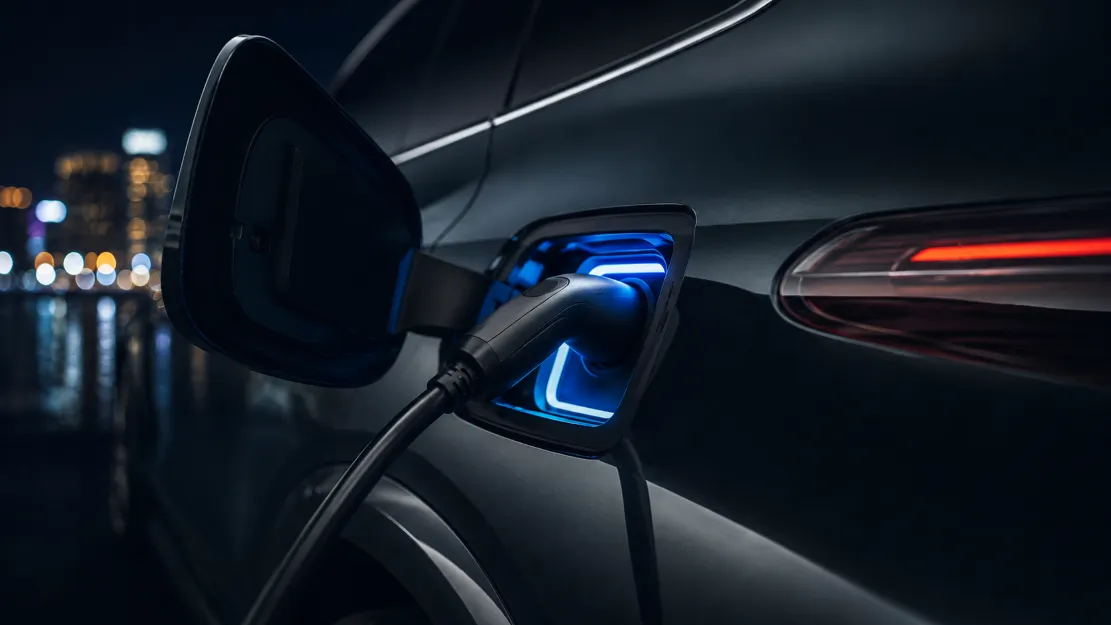
Step inside the latest H6 and the ambition is obvious. The cabin is built around a 14.6-inch landscape touchscreen running GWM’s Coffee OS software, supported by a 10.25-inch digital instrument cluster and a 50-watt wireless charging pad. Higher trims add synthetic leather, heated and ventilated front seats, a panoramic sunroof, a heated steering wheel and a head-up display. The column-mounted gear selector frees up console space, and the overall design leans toward clean, modern minimalism rather than button overload.
Practicality is solid rather than spectacular. With around 560 litres of boot space behind the rear seats, the H6 comfortably swallows a family’s weekly shopping or a couple of suitcases, and folding the second row roughly triples that capacity. The RAV4 answers with its trademark sensible packaging, generous rear-seat room and Toyota’s reputation for stress-free reliability. Both cars are designed to disappear into daily life — which is exactly what mainstream SUV buyers want.
Where the H6 tries to pull ahead is perceived value. For the money it asks in its home markets, the equipment list reads like a more expensive vehicle. The RAV4’s trump card is the opposite kind of value: predictable running costs, strong resale, and a hybrid system that has been refined over multiple generations and millions of miles. These are two very different definitions of “worth it,” and which one wins depends entirely on the buyer.
Would the Haval H6 Actually Win American Buyers?
Set aside the tariffs for a moment and imagine a level playing field. On a like-for-like sticker price, the H6 would be a serious threat. It offers more standard equipment than buyers expect at its price point, a flagship plug-in hybrid that out-powers the RAV4, and styling that looks contemporary next to its rivals. American shoppers have already proven willing to embrace value-driven newcomers — Hyundai and Kia did exactly that two decades ago.
Yet the RAV4’s strengths are precisely the ones that are hardest to copy. Toyota‘s resale values are legendary, its dealer network blankets the country, and its hybrid reliability is a known quantity. A Chinese newcomer would need years of consistent quality, strong warranty backing and patient brand-building before mainstream buyers trusted it with $35,000 and a decade of family duty. The H6 has the product to compete; what it would lack, at least at first, is the ecosystem around it.
FAQ: GWM Haval H6 vs Toyota RAV4
Can you buy a GWM Haval H6 in the United States?
No. GWM does not officially sell the Haval H6 in the United States. The model is offered across China, Australia, the Middle East, Southeast Asia and parts of Latin America, but steep tariffs on Chinese-built vehicles, the absence of a US dealer and service network, and federal homologation requirements keep it off American showroom floors.
How does the Haval H6 compare to the Toyota RAV4 on power?
The most powerful Haval H6 is the Hi4 plug-in hybrid AWD, which produces up to 268 kW (around 360 hp) and 760 Nm of torque. The 2026 Toyota RAV4 tops out at 324 hp in plug-in hybrid form and 236 hp as a standard all-wheel-drive hybrid. On paper the flagship H6 PHEV out-muscles the RAV4, while the standard versions sit much closer together.
Is the Haval H6 a reliable SUV?
The Haval H6 is GWM’s all-time best-seller with more than four million units sold globally and a long run as China’s top-selling SUV, which points to mature engineering. It also carries five-star ANCAP safety and long factory warranties of up to seven years in several markets. Long-term reliability data in Western markets is still building, since the current generation is relatively new outside China.
The Verdict: A Worthy Rival Kept at the Border
So, could the GWM Haval H6 compete with the RAV4 in America? On talent, absolutely. It is spacious, well-equipped, available with a genuinely powerful plug-in hybrid, and priced to undercut established rivals everywhere it is sold. As a piece of engineering, it has already earned the right to share a showroom with the world’s best-selling compact SUV.
The catch is that buying a car is about far more than a spec sheet. The RAV4 wins the American market not only with its numbers but with decades of trust, a vast dealer network and bulletproof resale value — and the H6 is locked out by tariffs and red tape before it can even make its case. For now, the Haval H6 remains one of the most compelling SUVs that American buyers simply can’t have. Whether that changes is a question of trade policy, not talent.