Zeekr 7X / X 2026 Review: Premium Electric SUV Specs & Real-World Test
Geely’s premium electric brand has quietly built two of the most compelling EVs in its class, and the 2026 updates push both further. The Zeekr 7X 2026 is a mid-size SUV armed with a 900V architecture, supercar-rivaling acceleration and ten-minute charging, while the smaller Zeekr X 2026 brings the same design language and a useful power boost into the crowded compact segment. Together they show exactly how seriously Zeekr now competes with Tesla, BYD and the established European players.
In this detailed Zeekr 7X review and Zeekr X comparison, we break down the full specs, real-world range, charging speeds, interior tech and pricing, so you can decide which one fits your driveway. The numbers are genuinely impressive, but the more interesting question is how they translate on the road.
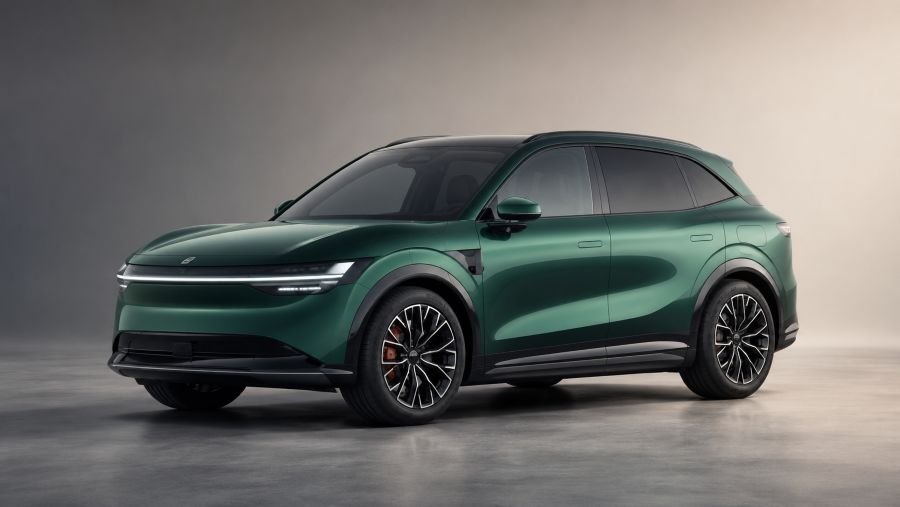
Zeekr was launched in 2021 as Geely’s answer to Tesla’s dominance in the Chinese premium EV market, and it sits alongside familiar names such as Volvo, Polestar, Lotus and Smart under the same corporate umbrella. That heritage matters here, because both the 7X and the X were styled by Zeekr’s European design studio in Gothenburg, Sweden. The result is a pair of vehicles that look distinctly un-generic, with clean surfacing and confident lighting that wouldn’t feel out of place next to far more expensive German rivals.
Before we dig into the spec sheets, the short video below offers a quick visual walkthrough of the 2026 Zeekr 7X and Zeekr X, covering their exterior design, cabin tech and the headline performance and charging figures we examine in detail throughout this review.
With that overview in mind, let’s look more closely at how these two electric SUVs differ and where each one fits in Zeekr’s expanding lineup.
Two Zeekrs, One Mission
Before diving into the spec sheets, it helps to understand where each model sits. The Zeekr 7X is the brand’s mid-size, five-seat family SUV, built to challenge the Tesla Model Y, BYD Sealion 7 and a growing wave of premium electric crossovers. The Zeekr X, by contrast, is a compact premium SUV that shares its underpinnings with the Volvo EX30, aimed squarely at urban buyers who want style and pace without the bulk of a larger vehicle. Both received meaningful 2026 facelifts that sharpened their styling and, more importantly, upgraded their hardware.
What unites them is a clear philosophy: give buyers genuinely premium materials, fast charging and strong performance, then undercut the established players on price. It’s a formula that has worked spectacularly in China, where the 7X collected more than 58,000 orders within 20 days of its pre-sale launch, and it’s now driving Zeekr’s rapid expansion into Europe and Australia.
Smart Accessories for the Zeekr 7X & X
Both Zeekrs arrive richly equipped, so the two extras below target what even a premium EV leaves to the owner: protecting the large central display that runs almost everything, and carrying the right cable for AC charging away from a rapid DC point. Each suits the 7X and the X equally.
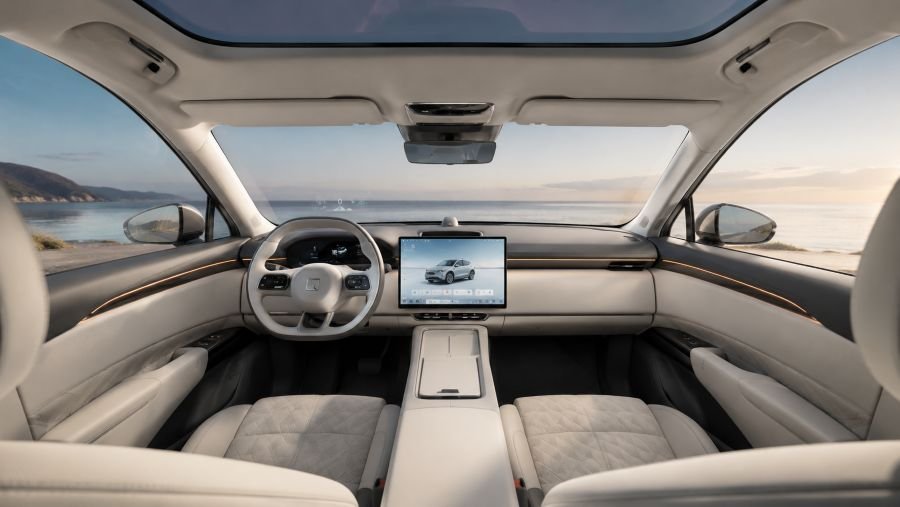
Both Zeekrs route nearly every control through a large central touchscreen — 16-inch in the 7X and 14.6-inch in the X — so a tempered-glass protector is cheap insurance for an expensive panel, guarding against scratches, glare, and fingerprints without dulling touch response. Choose the cut sized for your exact model’s screen.
For all the headline 900V DC speed, day-to-day topping up still happens on AC, where both Zeekrs use the Type 2 (IEC 62196) standard across European and Australian markets. A TÜV-certified 32A / 22kW cable reaches untethered home wallboxes and public posts alike, and a 5-metre length suits most driveways and bays.
Zeekr 7X 2026: The Tech Flagship
The 2026 model year transformed the 7X from an already-strong contender into a genuine technology showcase. The headline change is the move to a 900V electrical architecture on the higher trims, paired with a larger 103 kWh CATL Qilin battery. Zeekr also chose to make its most advanced driver-assistance hardware standard rather than optional, which is a notably aggressive move in a segment where rivals still charge a premium for it.
Performance and Powertrain
The 7X range spans three core variants: a rear-wheel-drive base model, a Long Range RWD, and the dual-motor Performance AWD. Power outputs run from 310 kW in the entry car all the way up to a remarkable 585 kW (785 hp) in the flagship. That top-spec model launches from 0 to 100 km/h in roughly 3.0 seconds, which puts it ahead of the Tesla Model Y Performance and into territory that used to be reserved for dedicated sports cars. For a family SUV weighing well over two tonnes, that level of acceleration is genuinely startling.
Day to day, the rear-wheel-drive versions offer the more relaxed, balanced character that suits most buyers, with smooth power delivery and composed handling. The AWD flagship is the one for enthusiasts, but it’s worth remembering that all that performance does eat into efficiency when you use it.
Charging and Range
This is where the 7X really separates itself from the pack. The two higher-end variants combine their 900V system with the 103 kWh Qilin battery to support 6C fast charging, taking the pack from 10 to 80 percent in about ten minutes. Zeekr claims that single ten-minute session can add over 400 km of range, which fundamentally changes how you think about long journeys. Even the entry 800V, 75 kWh Golden Battery model is no slouch, completing the same 10 to 80 percent top-up in roughly 10.5 minutes thanks to a 5.5C charging rate.
On range, the long-range 7X is rated at up to 802 km on China’s CLTC cycle and around 615 km under the stricter WLTP standard. As always, real-world figures land somewhere lower, but the combination of a big battery and ferociously fast charging means range anxiety is essentially a non-issue with this car.
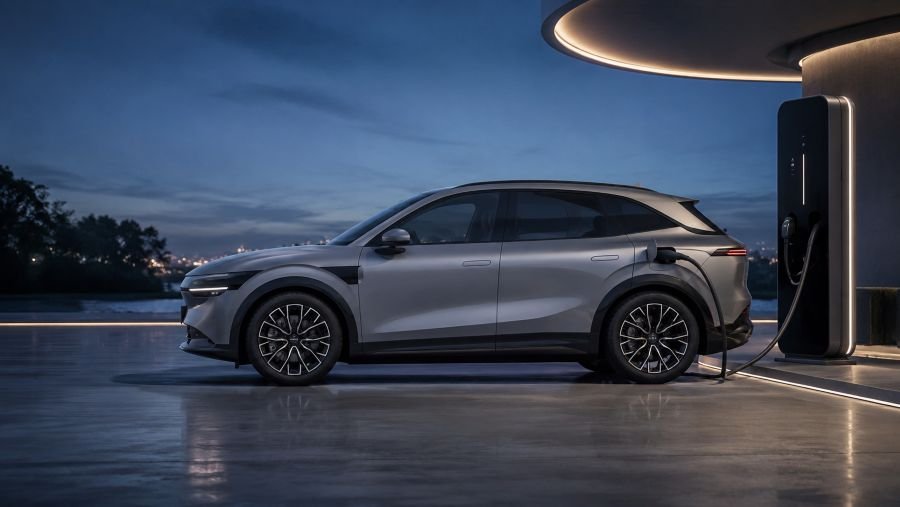
💡 Pro Tip: If charging speed matters more to you than outright range, prioritize a 900V-equipped 7X variant over simply chasing the biggest battery. A car that recovers 400 km in ten minutes is far more practical on road trips than one with a slightly larger pack that charges slowly.
Zeekr X 2026: The Compact Contender
If the 7X is about flagship ambition, the Zeekr X is about distilling that premium feel into a smaller, more affordable package. The 2026 facelift is one of the more meaningful updates in the compact EV space, delivering more power, faster charging and a longer standard equipment list, all while actually lowering prices in several markets.
What’s New for 2026
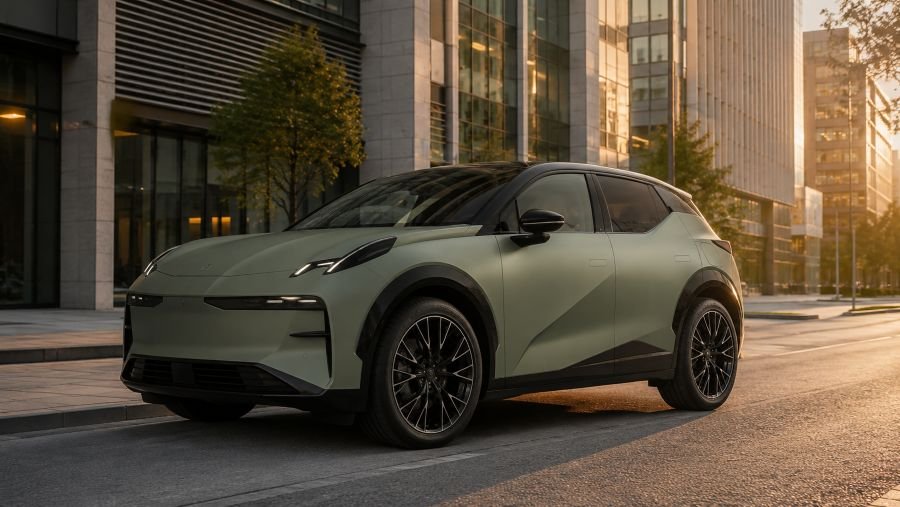
Both X variants gain a 50 kW power boost. The rear-wheel-drive model now produces 250 kW and sprints to 100 km/h in 5.6 seconds, while the dual-motor all-wheel-drive version combines a 115 kW front motor with a 250 kW rear unit for a combined 365 kW and a brisk 3.7-second 0-100 km/h time. For a compact SUV, those are seriously quick numbers.
The bigger story, though, is charging. The RWD now uses Zeekr’s new Golden Battery LFP chemistry borrowed from the larger 7X, lifting DC fast-charging capability from 150 kW to 230 kW and cutting the 10 to 80 percent charge time from around 30 minutes to just 18. WLTP range sits at 405 km for the RWD and 415 km for the AWD. Range is the one area where the X doesn’t move the segment forward, so buyers who value distance above all else should factor that in.
Inside, the cabin steps clearly upmarket. A 14.6-inch touchscreen now runs Zeekr’s snappier 5.5 operating system, a 13-speaker Yamaha sound system is standard across the range, and heated front and rear seats, inductive steering wheel controls and quilted trim are all included. Boot space has grown from 342 to 404 litres, and the AWD adds touches like a temperature-controlled onboard fridge and front massage seats.
Zeekr 7X vs Zeekr X 2026: Specs Compared
To make the choice clearer, here’s how the two models stack up side by side on the figures that matter most to buyers. Note that range figures use the WLTP standard where available, and that the 7X data reflects its top-spec variants.
| Specification | Zeekr 7X 2026 | Zeekr X 2026 |
|---|---|---|
| Segment | Mid-size SUV (5-seat) | Compact premium SUV |
| Max power | Up to 585 kW (785 hp) | Up to 365 kW (AWD) |
| 0-100 km/h | ~3.0 sec (Performance AWD) | 3.7 sec (AWD) / 5.6 sec (RWD) |
| Battery | 75 / 100 / 103 kWh | 61 kWh LFP (RWD) / NCM (AWD) |
| Range (WLTP) | Up to ~615 km | 405-415 km |
| Architecture | 800V / 900V (top trims) | 400V class |
| DC fast charge (10-80%) | ~10 minutes | 18 min (RWD) / 30 min (AWD) |
| Length | 4,825 mm | 4,432 mm |
| Indicative starting price | From ~AUD 57,900 | From ~AUD 48,900 |
Real-World Driving Impressions
On paper, both cars look exceptional, but the real test is how the technology behaves once you’re behind the wheel. Independent reviews of the 7X Performance consistently praise its ride composure, refined cabin and the sheer ease of its acceleration, while noting that the optimistic CLTC range figures translate into more modest, though still very usable, real-world distances. The fast-charging capability is the standout that owners single out most often, because it removes the biggest practical frustration of long-distance EV travel.
The Zeekr X, meanwhile, impresses with a quality of finish that punches above its price. The materials, the Yamaha audio and the polished interior detailing all contribute to a sense that you’re in something more expensive than the badge suggests. Its added power makes it genuinely fun in city driving, although the modest range remains its main compromise. For buyers who rarely travel far between charges, that trade-off is easy to accept.
⚠️ Important Note: Pay close attention to which range standard a Zeekr listing quotes. China’s CLTC figures are known for being highly optimistic, so the headline 802 km number for the 7X will look very different from the WLTP rating, and different again from what you’ll actually see in cold weather or at highway speeds. Always compare like-for-like standards.
How They Stack Up Against Rivals
The competitive picture is where these Zeekrs become especially interesting. The 7X targets the Tesla Model Y, BYD Sealion 7 and premium European crossovers, and on charging speed and outright performance it simply outguns most of them, often at a lower price. Its driver-assistance hardware, built around a high-performance Nvidia chip and a sensor suite that includes LiDAR, is also more advanced than what many rivals offer as standard.
The Zeekr X plays in the busy compact segment alongside the Volvo EX30, BYD Atto 3 and MG4. Here, its blend of charging speed, power and standard equipment at a sub-50K price point is hard to match, even if its range trails some competitors. In both cases, the value equation is the decisive factor. Zeekr isn’t just matching the establishment on features; it’s frequently beating it on price.
FAQ: Zeekr 7X & X 2026
What is the real-world range of the Zeekr 7X 2026?
The 7X is rated up to 802 km on China’s optimistic CLTC cycle and roughly 615 km on the stricter WLTP standard for the long-range model. In mixed real-world driving, owners typically see 480-540 km from the larger battery packs, with the entry 75 kWh model returning closer to 380-420 km depending on speed and climate.
How fast does the Zeekr 7X charge?
The higher-spec 2026 Zeekr 7X uses a 900V architecture with a 103 kWh CATL Qilin battery that supports 6C fast charging, taking the pack from 10 to 80 percent in about ten minutes and adding around 400 km of range in that time. The entry 800V model still completes the same top-up in roughly 10.5 minutes.
Is the Zeekr X 2026 worth it compared to the 7X?
The Zeekr X is the better fit for urban buyers who want premium materials and strong performance in a compact footprint, while the 7X suits families needing more space, longer range and faster 900V charging. The X undercuts the 7X significantly on price, making it the value pick if you don’t need the larger SUV’s range and interior room.
How much does the Zeekr 7X cost?
In China the 2026 Zeekr 7X starts at around RMB 229,800 (roughly USD 31,800), with early-order discounts available. In export markets such as Australia, the rear-wheel-drive 7X starts near AUD 57,900, with the Performance AWD flagship sitting around AUD 73,900 before on-road costs.
The Verdict: Two Strong Cases
The 2026 Zeekr 7X and Zeekr X make a powerful argument that Chinese premium EVs have closed the gap with the establishment, and in several areas have moved ahead of it. The 7X is the more complete package, combining flagship performance, class-leading 900V charging and genuinely usable long-distance range into a handsome, well-built family SUV. The X takes that same design philosophy and premium feel and packages it for the city, with the only real caveat being its modest range. Both undercut their direct rivals while matching or beating them on technology and finish.
For families and frequent long-distance drivers, the 7X is the clear recommendation, particularly in a 900V trim. For urban buyers who value style, pace and quality over outright range, the X is a compelling and affordable choice. Either way, these two cars confirm that Zeekr has become a brand serious buyers can no longer afford to overlook.